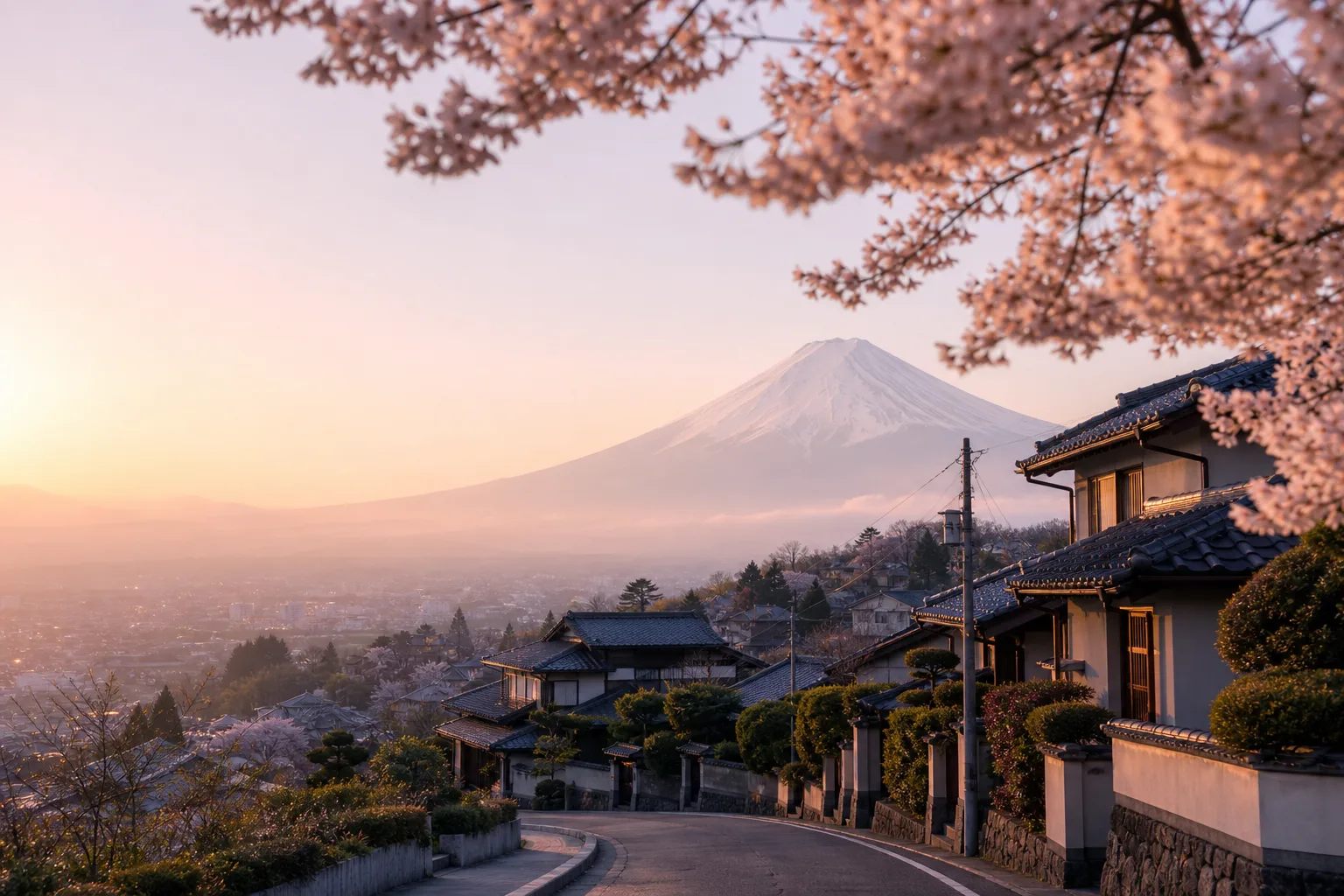
 Helping foreigners buy property in Japan
Purchasing · Renovation · Cultural Properties
Renovating History: Buying Culturally Designated Homes in Japan
- Author
 AkiyaHub Team
- Published
Contents
How Cultural Property Rules Shape Renovations, Repairs, and Rebuilds
Thinking about buying a beautiful old kominka or machiya and seeing a note about “Cultural Properties”? It sounds intimidating, but most designations are friendlier than you’d expect, and many buyers happily renovate these homes with the right guidance.
It’s helpful to understand the different tiers of cultural protection, the everyday renovations most owners can do without fuss, and the small handful of cases where extra steps are required. Once you know the landscape, these homes feel exciting rather than overwhelming.
❓ What is the Law for the Protection of Cultural Properties?
If you spend enough time exploring traditional homes across Japan, especially rural farmhouses, merchant townhomes, and prewar residences, you’ll eventually see a listing marked as something like “Registered Tangible Cultural Property.”
At first glance, the phrase looks intimidating. But in practice, the Law for the Protection of Cultural Properties (文化財保護法 · bunkazai hogohō) exists for one simple purpose: to make sure Japan’s historically valuable buildings aren’t accidentally lost.
The law protects buildings and items of cultural, historical, artistic, or architectural importance. Most of the time, the protection is light-touch. It doesn’t freeze a property in time or prevent you from living normally. Instead, it creates a framework to preserve what makes a building unique, like beams, layout, and craftsmanship, while still allowing modern life to happen inside it.
❓ What types of cultural property designations should homebuyers know about?
Japan recognizes several tiers of cultural property status, and they are not all created equal. For buyers, three categories matter most:
🏛️ Designated Important Cultural Property (重要文化財 · jūyō bunkazai)
This is the highest level of protection, usually reserved for temples, shrines, traditional theaters, and museum-level architecture. These are rare in private hands and come with strict rules.
Most homebuyers will never encounter one.
📜 Registered Tangible Cultural Property (登録有形文化財 · tōroku yūkei bunkazai)
This is the most common designation for houses and small commercial buildings. The emphasis is on preservation, not perfection.
You’re expected to keep the exterior largely consistent, notify authorities before major structural changes, and maintain key historic features. But everyday living upgrades like insulation, plumbing, kitchens, and bathrooms are usually not a problem.
🗾 Prefectural Cultural Property (都道府県指定文化財 · todōfuken shitei bunkazai) or 🏢 Municipal Cultural Property (市町村指定文化財 · shichōson shitei bunkazai)
Local governments can designate buildings that matter to their area’s history.
Rules vary, but oversight tends to be lighter and more collaborative.
Most historic homes on the market fall under the "registered," "prefectural," or "municipal" categories, not the strict “designated” category. These distinctions make a huge difference in what you can do.
👉 Find out why millions of homes in Japan sit empty, and how aging, inheritance, and cultural trends have created new opportunities for smart buyers in Why Are There So Many Akiya? Japan’s Empty Homes.
❓ What kinds of renovations require permission or notification?
This is the big question everyone asks, and the answer is reassuring.
If a property is designated or registered, you may need to submit plans or notifications for certain changes, especially if they affect:
🪵 Structural elements (roof beams, pillars, original load-bearing walls)
🏠 Exterior appearance (roofline, façade materials, window shapes)
🏯 Historically significant components (engawa, tokonoma, original timberwork)
However, and this is important: you can still modernize the interior for comfort and functionality.
Things that typically don’t require special permission on registered properties include:
🚿 New bathrooms or kitchens
❄️ Heating and cooling upgrades
🧱 Additional insulation
⚡ Rewiring for safety
🛏️ Replacing tatami or flooring
🛠️ Earthquake retrofitting (often encouraged)
And even when permissions are required, the process is usually a simple submission to your local Board of Education or cultural-properties office. In many cases, staff are familiar with old homes and genuinely want owners to succeed.
Most people report the process as: “More paperwork than expected, but much easier than feared.”
Free Member Tool · about 2 minutes
Like this home? See what your budget buys in Japan.
Answer 11 quick questions. Your free Snapshot shows where your budget works in Japan, how many listings match it today, and what to adjust to unlock more options.
65,000+ membersRated 4.8/5 by verified buyersNo credit card
❓ Can you demolish a home that’s considered a cultural property?
This depends on the designation level.
🛑 Designated Important Cultural Property: Demolition is essentially off the table.
⚠️ Registered Tangible Cultural Property: Demolition requires notification and approval. Approval may be denied if the building is particularly significant to the region.
🔎 Municipal/Prefectural Cultural Properties: Rules vary. Some allow demolition with notice, some require a review.
That said, most buyers looking at this kind of home actually want to preserve it. If your goal is to rebuild from scratch, a cultural property probably isn’t the right fit.
❓ What are the benefits of owning a registered cultural property?
It’s not all rules and responsibilities. There are advantages too, and they’re meaningful:
💴 Potential repair subsidies
Depending on the property’s status and location, governments sometimes offer grants or partial funding for approved repairs.
✨ Architectural beauty that’s impossible to recreate
Hand-hewn beams, clay walls, and artisan joinery are features modern builds can’t replicate affordably.
📈 Higher long-term value and uniqueness
Cultural properties often stand out in the market and hold their character over time.
🤝 Community support and local pride
Municipalities are often deeply invested in seeing these buildings restored and maintained. You’re not just buying a home. You’re becoming part of a living cultural landscape.
🧭 Tourism potential (case by case)
Some buyers choose to open cafés, guesthouses, studios, or exhibition spaces. A recognized historic building can become a destination.
❓ How do you check a home’s cultural property status before buying?
This is easier than most people think. You can:
Ask your agent (they often know this right away)
Look up the building in the national cultural properties database
Check municipal registers
Ask the local Board of Education (they handle many cultural properties)
You can even request documents that outline past renovations and which elements are considered “protected.” Many municipalities will also tell you whether the property is likely to be considered for future registration, which can be helpful for long-term planning.
❓ What should you ask when viewing a home with possible cultural status?
A simple checklist you can use on tours:
✅ What exact designation does this property have?
✅ Which parts are protected: the exterior, the structure, or specific rooms?
✅ Has it undergone approved renovations in the past?
✅ Are subsidies available for repairs?
✅ Is demolition restricted?
✅ Who at the municipality oversees cultural properties?
✅ Are there recent inspection reports?
These questions don’t just help you plan realistically. They also signal to agents and sellers that you’re a serious, informed buyer.
👉 Discover how to find real, livable vacant homes across Japan with verified listings and up-to-date property details in Japan Akiya Listings: Properties You Would Actually Want to Buy.
❓ Is living in a culturally protected home practical for foreigners?
Yes, and many expats love it. These houses offer:
☝️ Huge beams and soaring ceilings
🔨 Traditional craftsmanship
🪭 Thick clay walls for cool summers
🪷 Aesthetic warmth that modern builds can’t touch
🌾 A connection to place and history
And with proper upgrades, they can be comfortable year-round. It’s not a museum. It’s a home with a story.
❓ Should you avoid cultural-property listings?
Not at all. In fact, some of the most beautiful, well-built, and architecturally valuable homes on the market have some level of cultural recognition.
As long as you understand:
⚠️ Which renovations require notice
🔧 What you can modernize
🏛️ Who you’ll communicate with
…you’re in great shape.
The law is there to support preservation, not punish homeowners.
Renovation in Japan is shaped not only by law, but also by custom and community practice. For a deeper look at how etiquette, neighbor relationships, and ritual shape the renovation process, see Regarding Tradition: Renovating within Japanese Custom and Practice.
📌 FAQs About Japan's Cultural Properties Law
Do cultural-property homes cost more to maintain?
Not necessarily. Many repairs, especially structural preservation, are eligible for subsidies. Day-to-day upkeep is similar to any traditional home of the same age. The biggest cost factor is usually the condition of the building, not the designation.
Can I install modern amenities like air-conditioning, new plumbing, or insulation?
Yes. Most comfort upgrades are allowed, and many municipalities encourage safety and energy improvements. You’ll usually only need approval if the work alters historically significant elements.
How long does the permission or notification process take?
It depends on the municipality, but simple notifications can be processed in a few weeks. Larger structural changes may take longer, though most buyers find the process straightforward and surprisingly collaborative.
Will owning a cultural-property home limit my ability to sell it later?
Generally, no. Many buyers actively seek these homes, and the designation can even enhance long-term value. Homes that have been well-cared for under the system often develop a reputation for quality.
What if I want to run a business, like a café or guesthouse, in the home?
Often possible, and in some cases encouraged. You’ll need to follow normal zoning rules, plus ensure any renovations for commercial use align with cultural-property guidelines. Local offices can help you navigate this quickly.
❓ What’s the Bottom Line on Japan’s Cultural Properties Law?
If you fall in love with a kominka, machiya, or historic home that carries a cultural-property label, don’t let the terminology scare you away. These homes can be deeply rewarding places to live, and the rules are far more manageable than most people expect.
And as always, if you’re exploring a specific listing and want to understand what its designation means in practice, drop your questions in the comments. We’re always happy to help members navigate the exciting (and occasionally confusing) world of traditional Japanese homes.
Related Questions (Quick Answers)
What’s the difference between zoned residential and zoned agricultural land? → Residential zones allow homes with normal permitting, while agricultural zones may require special approval and specific limitations.
How can I tell if a house is rebuildable or non-rebuildable? → A home’s rebuildability depends on local zoning and access rules, confirmed through the city office or property disclosure sheet.
What do road-width rules mean for old Japanese homes? → Road-width rules determine modern access standards and can govern what kinds of future renovations and rebuilds are feasible.
If a home sits on private road access, what does that mean for future renovations? → Homes on private roads may require neighbor permission or shared ownership agreements before you can make major changes or rebuild.
Are there restrictions on expanding or modifying older homes? → Yes, absent specific exemptions, older homes must follow current zoning, setback, and safety rules.
🔓 These questions and more are answered in our Guides section. For full access, sign up for a free account and Join the Community today!
👉 Ready to find out more? Check out these related articles:
Thinking about buying, renovating, or renting out property in Japan? All Your Japan Property Questions, Answered!
Learn how to revive a vacant home in Japan with care in How to Bring an Akiya Back to Life.
Which visas let you live, work, or run a business after buying property? Japan Visa Basics for New Property Owners.
Ready to explore?
👉 How to Find Your Dream Property in Japan: Learn how to explore regions, compare value, and confidently discover standout homes using AkiyaHub’s most powerful search approach.
👉 Join the AkiyaHub community: Learn from real buyers, ask questions freely, and move forward with confidence as you explore owning a home in Japan.
Your next step · about 2 minutes
Ready to find your own home in Japan? Start with your budget.
Answer 11 quick questions. Your free Snapshot shows where your budget works in Japan, how many listings match it today, and what to adjust to unlock more options.
- Where your budget works
- How many listings match today
- What to adjust for more options
65,000+ membersRated 4.8/5 by verified buyersNo credit card