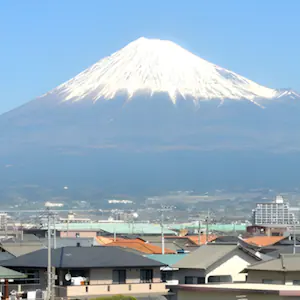
Mount Fuji rising above Lake Ashi in Hakone, Japan
All 47 prefectures, Hokkaido to Okinawa

Buy a House in Japan, in Any Prefecture

Foreigners can buy property anywhere in Japan, with no visa or residency required. Wherever you are looking, start with a free Market Match to see what your budget can actually buy before you spend a yen.

Get My Free Market Match Snapshot

Free community account. No sales call required. No obligation.

Every other prefecture

Browse the rest of Japan

We help buyers across all of Japan. Here is a quick look at what makes each of these prefectures worth considering, with a free Market Match always a click away.

Rolling lavender fields in bloom near Furano, HokkaidoHokkaido

Hokkaido

北海道

Hokkaido pairs big-sky nature with one of Japan's most relaxed lifestyles, from Sapporo's walkable city center to the powder snow of Niseko. Property here is surprisingly attainable, making a countryside akiya or a base near the slopes a realistic goal for foreign buyers.

  • World-class powder. Niseko and Furano draw skiers and snowboarders for some of the lightest, deepest snow on earth.
  • Furano flower fields. Summer brings rolling lavender and wildflower fields that turn the valley into a patchwork of color.
  • Space and nature. National parks, hot springs, and farmland give residents room to breathe far from crowded cities.
Hirosaki Castle keep with cherry blossoms in Hirosaki, Aomori PrefectureTohoku

Aomori

青森県

Aomori sits at the northern tip of Honshu, where apple orchards, the Nebuta Festival, and the forests of the Shirakami Mountains shape daily life. Homes here are among the most affordable in Japan, making it a realistic landing spot for buyers who want space, snow, and a slower pace.

  • Hirosaki Castle. A historic castle ringed by one of Japan's most famous cherry blossom parks each spring.
  • Oirase and Towada. The Oirase mountain stream and Lake Towada offer some of the best autumn scenery in the country.
  • Apples and seafood. Aomori grows the bulk of Japan's apples and lands rich catches from two surrounding seas.
Boat ride through the towering cliffs of Geibikei Gorge in Ichinoseki, Iwate PrefectureTohoku

Iwate

岩手県

Iwate is the second largest prefecture in Japan, with wide open countryside, dramatic gorges, and the temple town of Hiraizumi. Low property prices and plenty of land make it appealing for buyers who want a rural base without giving up culture or rail access.

  • Hiraizumi temples. The golden Konjikido hall at Chuson-ji anchors a UNESCO World Heritage temple complex.
  • Geibikei Gorge. Flat-bottomed boats glide between limestone cliffs that rise straight from the river.
  • Morioka access. The capital, Morioka, sits on the Tohoku Shinkansen for fast trips to Tokyo.
Pine-covered islands scattered across Matsushima Bay in Miyagi PrefectureTohoku

Miyagi

宮城県

Built around the lively city of Sendai, Miyagi balances urban convenience with the famous island-dotted bay of Matsushima. It is the most connected prefecture in Tohoku, so buyers can find affordable homes within easy reach of jobs, shops, and the Shinkansen.

  • Matsushima Bay. Hundreds of pine-clad islets make up one of the three classic scenic views of Japan.
  • City of Sendai. A green, walkable regional hub known for grilled beef tongue and a vibrant student scene.
  • Fast to Tokyo. The Shinkansen links Sendai to Tokyo in about ninety minutes.
Deep blue Lake Tazawa framed by autumn mountains in Akita PrefectureTohoku

Akita

秋田県

Akita is rice country, famous for its hot springs, deep snow, and the preserved samurai streets of Kakunodate. With some of the lowest home prices in the nation, it suits buyers drawn to authentic rural living and four distinct seasons.

  • Lake Tazawa. The deepest lake in Japan, prized for its striking cobalt blue water.
  • Kakunodate town. A well-preserved samurai district lined with old residences and weeping cherry trees.
  • Onsen and rice. Renowned hot spring resorts and premium Akitakomachi rice define the local lifestyle.
Historic wooden inns lining the river at Ginzan Onsen in Yamagata PrefectureTohoku

Yamagata

山形県

Yamagata pairs fruit orchards and rice plains with the mountain temple of Yamadera and the nostalgic hot spring town of Ginzan Onsen. Affordable houses and abundant nature make it a comfortable choice for buyers who want a scenic, food-rich base.

  • Ginzan Onsen. A storybook hot spring town of vintage wooden inns along a small river.
  • Yamadera temple. A mountainside temple reached by a stone stairway with sweeping valley views.
  • Cherries and fruit. The region is celebrated for cherries, pears, and other prized produce.
Thatched-roof houses along the old post town street of Ouchi-juku in Fukushima PrefectureTohoku

Fukushima

福島県

Fukushima offers a wide range of landscapes, from the historic Aizu region to coastline and ski slopes, with the thatched village of Ouchi-juku as a highlight. Spacious, low-cost homes and good rail links make it a practical entry point into rural Japan.

  • Ouchi-juku village. A preserved Edo-era post town of thatched-roof houses along a single old road.
  • Aizu and its castle. The Aizuwakamatsu area centers on Tsuruga Castle and a proud samurai heritage.
  • Mountains and lakes. Goshikinuma ponds and Lake Inawashiro draw hikers, skiers, and onsen lovers.
The ornate Yomeimon Gate at Nikko Toshogu Shrine in TochigiKanto

Tochigi

栃木県

Tochigi sits just north of Tokyo yet feels like a different world, with the World Heritage shrines of Nikko and the riverside onsen of Kinugawa close at hand. Affordable homes and an easy train ride to the capital make it a smart pick for buyers who want nature without giving up access.

  • Nikko shrines. The lavishly carved Toshogu complex is one of Japan's most spectacular UNESCO World Heritage sites.
  • Kinugawa onsen. A classic hot spring town set along a dramatic gorge, perfect for weekend soaks.
  • Strawberry country. Tochigi is Japan's top strawberry producer, with pick-your-own farms popular all winter.
Mist drifting over the Hoshitoge rice terraces in Tokamachi, Niigata PrefectureChubu

Niigata

新潟県

Niigata is Japan's snow country, a coastal prefecture of golden rice terraces, sake breweries, and famous powder slopes. Country homes here remain genuinely affordable, making it a realistic base for buyers who want space, seasons, and an easy bullet train link to Tokyo.

  • Snow Country. Echigo Yuzawa and Myoko draw skiers all winter, with some of the deepest, lightest snow in Japan.
  • Rice And Sake. The region grows prized Koshihikari rice and produces world-class sake from dozens of local breweries.
  • Sado Island. A short ferry reaches Sado Island, known for its rugged coast, gold mine history, and taiko drumming culture.
The towering snow corridor along the Tateyama Kurobe Alpine Route in Toyama PrefectureChubu

Toyama

富山県

Toyama sits between the soaring Northern Alps and a deep, seafood-rich bay, offering dramatic scenery at a fraction of big-city prices. It is a quiet, water-clean prefecture where affordable homes pair with mountains, hot springs, and fast access by Shinkansen.

  • Alpine Route. The Tateyama Kurobe Alpine Route climbs past a famous spring snow corridor and the massive Kurobe Dam.
  • Toyama Bay. The bay is celebrated for firefly squid, white shrimp, and crystal-clear winter views across to the Alps.
  • Gokayama Villages. Thatched gassho-zukuri hamlets sit in the hills, a quieter UNESCO-listed neighbor to Shirakawa-go.
The Kotojitoro stone lantern beside the pond in Kenrokuen garden, Kanazawa, Ishikawa PrefectureChubu

Ishikawa

石川県

Ishikawa pairs the refined castle town of Kanazawa with the wild, sea-sprayed Noto Peninsula. With deep craft traditions and homes well below Tokyo or Kyoto prices, it suits buyers who want culture, coastline, and an unhurried pace.

  • Kanazawa Culture. Kenrokuen garden, a preserved samurai district, and gold leaf and lacquer crafts define this elegant city.
  • Noto Peninsula. Rugged coastline, fishing villages, and morning markets stretch along the scenic Sea of Japan.
  • Hot Spring Towns. Kaga Onsen and Wakura Onsen offer classic ryokan stays and soothing thermal waters year round.
The dramatic basalt sea cliffs of Tojinbo on the coast of Fukui PrefectureChubu

Fukui

福井県

Fukui is one of Japan's most relaxed and affordable prefectures, known for Zen temples, dramatic sea cliffs, and famous dinosaur fossils. It is an easy choice for buyers who value low costs, fresh seafood, and a strong sense of community.

  • Tojinbo Cliffs. Rare columnar basalt cliffs drop straight into the sea, one of the coast's most striking natural sights.
  • Eiheiji Temple. A major Soto Zen training monastery sits among ancient cedars in the quiet mountains.
  • Dinosaur Country. Fukui is Japan's top fossil region, home to the renowned Fukui Prefectural Dinosaur Museum.
Thatched gassho-zukuri farmhouses in the historic village of Shirakawa-go, Gifu PrefectureChubu

Gifu

岐阜県

Gifu is mountainous heartland Japan, where thatched villages, old merchant streets, and hot spring valleys feel worlds away from the cities. Rural homes here are very affordable, ideal for buyers drawn to tradition, nature, and four distinct seasons.

  • Shirakawa-go. The UNESCO-listed gassho-zukuri farmhouses are unforgettable under heavy winter snow.
  • Takayama Old Town. Beautifully preserved Edo-era streets, sake breweries, and morning markets fill this mountain town.
  • Gero Onsen. One of Japan's three great hot springs sits in a riverside valley deep in the Gifu mountains.
The main keep of Nagoya Castle with its golden shachihoko ornaments, Aichi PrefectureChubu

Aichi

愛知県

Aichi centers on Nagoya, Japan's fourth-largest city and a major jobs and transport hub, yet housing stays far cheaper than Tokyo or Osaka. It is a practical pick for buyers who want city convenience, strong infrastructure, and easy reach across the country.

  • Nagoya City. A dynamic metro centered on Nagoya Castle, with bullet train links and its own distinctive food culture.
  • Industrial Heart. Home to Toyota and a deep manufacturing base, the region offers steady work and good services.
  • Inuyama Castle. One of Japan's oldest original castle keeps overlooks the Kiso River just north of Nagoya.
The Meoto Iwa wedded rocks joined by a sacred rope at Futamigaura, MieKansai

Mie

三重県

Mie blends deep spiritual heritage with a gentle coastal pace, home to the Ise Grand Shrine and the wild beauty of the Kumano coast. With a mild climate and modest property prices, it suits buyers drawn to seaside living and centuries of culture.

  • Ise Grand Shrine. Japan's most sacred Shinto shrine sits among ancient cedar forest and draws millions of pilgrims a year.
  • Kumano coast. Rugged shorelines and the Kumano Kodo pilgrimage trails offer dramatic walks and ocean views.
  • Pearls and ninja. Ago Bay is the birthplace of cultured pearls, while Iga is famed as a historic home of the ninja.
The vast Tottori Sand Dunes along the Sea of Japan coast in TottoriChugoku

Tottori

鳥取県

Tottori is Japan's quietest, most affordable prefecture, famous for its sweeping coastal sand dunes and an unhurried pace of life. Prices here are among the lowest in the country, making it a realistic entry point for foreign buyers who want space and nature.

  • Tottori Sand Dunes. The country's largest dune system stretches along the Sea of Japan, offering camel rides, sandboarding, and dramatic sunsets.
  • Affordable countryside. Akiya and rural homes here are some of the cheapest in Japan, with generous land and easy access to fresh seafood.
  • Mount Daisen. The towering volcanic peak of Daisen draws hikers in summer and skiers in winter, all within easy reach.
The grand main hall of Izumo Taisha shrine in Izumo City, ShimaneChugoku

Shimane

島根県

Shimane is a land of ancient myth and deep tradition, home to Izumo Taisha, one of Japan's oldest and most revered shrines. Low costs and a calm, spiritual atmosphere make it an appealing choice for buyers seeking authentic rural Japan.

  • Izumo Taisha. This historic grand shrine is dedicated to the deity of marriage and good fortune, drawing pilgrims from across Japan.
  • Matsue castle town. Matsue keeps one of the few original feudal castles and a network of moats best explored by boat.
  • Quiet coastal living. Sea views, hot springs, and uncrowded towns offer a peaceful lifestyle at very approachable prices.
Korakuen garden with the black Okayama Castle rising behind it in OkayamaChugoku

Okayama

岡山県

Okayama blends a sunny, mild climate with strong rail links and one of Japan's three great landscape gardens. It is a comfortable, well connected base where city convenience meets affordable homes and easy day trips.

  • Korakuen Garden. Ranked among Japan's three finest gardens, its lawns and ponds sit beside the striking black Okayama Castle.
  • Kurashiki Bikan. The preserved canal quarter of Kurashiki charms visitors with white walled storehouses and willow lined waterways.
  • Sunny and central. Known as the land of sunshine, Okayama is a Shinkansen stop with quick connections to Osaka, Hiroshima, and Shikoku.
The floating red torii gate of Itsukushima Shrine at sunset on Miyajima, HiroshimaChugoku

Hiroshima

広島県

Hiroshima is the cultural and economic heart of the Chugoku region, pairing a moving history of peace with the iconic floating torii of Miyajima. It offers genuine city amenities alongside surprisingly attainable property options.

  • Miyajima floating torii. The vermilion gate of Itsukushima Shrine appears to float on the tide, one of Japan's most photographed scenes.
  • Peace Memorial Park. The park and museum honor the city's history and its enduring message of peace, drawing visitors worldwide.
  • City and sea. A lively regional capital sits beside the calm islands of the Seto Inland Sea, balancing convenience with natural beauty.
A long row of red torii gates descending the coastal cliffs at Motonosumi Inari Shrine in YamaguchiChugoku

Yamaguchi

山口県

Yamaguchi sits at the western tip of Honshu, a scenic prefecture of coastlines, hot springs, and striking shrines with very affordable rural homes. It is an easygoing place for buyers who want beauty and quiet without giving up access to Kyushu and beyond.

  • Motonosumi Shrine. A cascade of 123 red torii gates tumbles down the cliffs toward the crashing sea, an unforgettable coastal sight.
  • Kintaikyo Bridge. The elegant wooden arches of this historic bridge span the Nishiki River beneath Iwakuni Castle.
  • Coastal and affordable. Fishing towns, hot spring resorts, and low priced akiya make Yamaguchi a relaxed and realistic option.
The swirling Naruto whirlpools in the strait off Tokushima PrefectureShikoku

Tokushima

徳島県

Tokushima pairs dramatic coast and deep mountain valleys with a calm, affordable pace of life, making it a realistic landing spot for foreign buyers who want space and nature. From the famous Naruto whirlpools to the remote Iya Valley, this is rural Japan at its most authentic.

  • Naruto Whirlpools. Powerful tidal whirlpools churn in the Naruto Strait and can be viewed up close from boats and the bridge walkway.
  • Iya Valley. A steep, misty mountain valley known for its centuries old vine bridges and hidden hot spring inns.
  • Awa Odori. Tokushima City hosts Japan's most famous dance festival every August, drawing huge summer crowds.
The Kikugetsu-tei teahouse beside a pond in Ritsurin Garden, Kagawa PrefectureShikoku

Kagawa

香川県

Kagawa is Japan's smallest prefecture but punches far above its size, blending a celebrated food culture with world class art islands and gentle Seto Inland Sea scenery. Compact, well connected, and easygoing, it suits buyers who want convenience without big city prices.

  • Sanuki Udon. Kagawa is the udon capital of Japan, with hundreds of beloved noodle shops serving its signature chewy bowls.
  • Naoshima Art Islands. The Seto Inland Sea islands host renowned contemporary museums and outdoor sculptures, including the famous pumpkins.
  • Ritsurin Garden. One of Japan's finest historic strolling gardens, with ponds, bridges, and a backdrop of forested hills in Takamatsu.
The hilltop keep of Matsuyama Castle overlooking the city in Ehime PrefectureShikoku

Ehime

愛媛県

Ehime offers a warm, sunny climate, mountain and sea scenery, and the relaxed castle city of Matsuyama, all at prices that make settling here genuinely attainable. Citrus groves, hot springs, and the Seto Inland Sea define its easy coastal lifestyle.

  • Matsuyama Castle. A original hilltop castle reached by ropeway, with sweeping views over Matsuyama and the surrounding plain.
  • Dogo Onsen. One of Japan's oldest hot springs, centered on a striking wooden bathhouse that has welcomed visitors for generations.
  • Citrus and Sea. Hillside mikan orchards and the calm Seto Inland Sea give Ehime a mild, fruit growing coastal character.
The Ryugu shrine on the headland above Katsurahama beach on the Pacific coast of Kochi PrefectureShikoku

Kochi

高知県

Kochi is wild, green, and oceanfacing, with clear rivers, a rugged Pacific coastline, and plenty of room to spread out, perfect for buyers drawn to nature and a slower rhythm. Land is plentiful and affordable across its valleys and seaside towns.

  • Katsurahama. A scenic Pacific beach framed by pine covered headlands and a small shrine, a classic Kochi viewpoint.
  • Shimanto River. Often called Japan's last clear stream, the Shimanto winds through countryside crossed by low, railing free bridges.
  • Pacific Coast. A long, open coastline of capes and surf gives Kochi a bright, outdoorsy seaside feel.
Karatsu Castle on its hilltop above the coast in Saga PrefectureKyushu

Saga

佐賀県

Saga is a quiet, deeply traditional corner of Kyushu, home to the famous porcelain towns of Arita and Imari and the seaside castle town of Karatsu. With some of the lowest property prices in the region and easy train access to Fukuoka, it is a realistic place to own a home and slow down.

  • Arita and Imari. These historic towns are the birthplace of Japanese porcelain, with centuries-old kilns and shops still active today.
  • Karatsu coast. Karatsu pairs a striking hilltop castle with sandy beaches and one of Kyushu's most celebrated autumn festivals.
  • Yoshinogari ruins. One of Japan's largest Yayoi-era archaeological sites sits amid open countryside in the heart of the prefecture.
View over Nagasaki harbor and the surrounding hillside city in Nagasaki PrefectureKyushu

Nagasaki

長崎県

Nagasaki is a hillside harbor city with a layered international history, where European, Chinese, and Japanese influences shaped the architecture, food, and festivals. Homes climbing the slopes above the bay offer dramatic views at prices far below big cities.

  • Historic harbor. The terraced port city is famous for its night views, Glover Garden, and a culture shaped by centuries of foreign trade.
  • Gunkanjima. The abandoned island of Hashima, nicknamed Battleship Island, is a striking UNESCO-listed relic reached by boat from the harbor.
  • Huis Ten Bosch. A large Dutch-themed resort town near Sasebo brings canals, tulips, and seasonal illuminations to the prefecture.
Kumamoto Castle with its dark keep and stone walls in Kumamoto PrefectureKyushu

Kumamoto

熊本県

Kumamoto balances a lively castle city with some of Kyushu's most spectacular volcanic countryside around Mount Aso. Clean spring water, fresh produce, and affordable rural homes make it a welcoming base for buyers who want space and nature.

  • Kumamoto Castle. One of Japan's grandest castles anchors the city, ringed by parks and steadily restored after the 2016 earthquake.
  • Mount Aso. The vast Aso caldera holds active craters, grasslands, and farming villages within one of the world's largest volcanic basins.
  • Spring water. The region is known across Japan for its abundant clean groundwater, feeding rivers, rice fields, and local tap water.
Steam rising from hot spring vents across the town of Beppu in Oita PrefectureKyushu

Oita

大分県

Oita is Japan's hot spring capital, where the steaming resort town of Beppu and the chic mountain village of Yufuin draw visitors year round. Soaking culture, sea and mountain scenery, and gentle prices make it an easy place to settle in.

  • Beppu onsen. Beppu produces more hot spring water than almost anywhere on earth, with steam rising from streets and dramatic colored hot ponds.
  • Yufuin. This stylish onsen town sits below Mount Yufu, mixing galleries, cafes, and ryokan in a relaxed rural setting.
  • Coast and mountains. Oita pairs a calm Seto Inland Sea coastline with forested highlands, giving plenty of variety for daily life.
Boats below the steep cliffs and waterfall of Takachiho Gorge in Miyazaki PrefectureKyushu

Miyazaki

宮崎県

Miyazaki is Kyushu's sunny Pacific coast, beloved for its surf beaches, mild winters, and the mythic scenery of Takachiho gorge. A laid back, outdoorsy lifestyle and low rural prices make it appealing for buyers who want warmth and the ocean.

  • Takachiho Gorge. Sheer basalt cliffs and a slender waterfall make this sacred gorge one of the most photographed spots in Kyushu.
  • Surf coast. The long Pacific shoreline is a magnet for surfers and is among the sunniest, warmest stretches in Japan.
  • Coastal shrines. Seaside sites like Udo Jingu and the Nichinan coast blend dramatic scenery with deep local mythology.
The active Sakurajima volcano rising across the bay in Kagoshima PrefectureKyushu

Kagoshima

鹿児島県

Kagoshima sits at Kyushu's southern tip, framed by the active Sakurajima volcano across its bay and a warm, subtropical climate. Friendly cities, island access, and affordable countryside make it a distinctive place to put down roots.

  • Sakurajima. An active volcano looms directly across the bay from the city, defining the skyline and the region's famous hot sand baths.
  • Yakushima. This UNESCO-listed island offers ancient cedar forests and misty mountains within reach by ferry or short flight.
  • Southern climate. Long warm seasons and southern islands give Kagoshima a relaxed, almost tropical pace of life.
Aerial view of the white sand and turquoise water of Nishibama Beach in the Kerama Islands, OkinawaOkinawa

Okinawa

沖縄県

Okinawa offers a tropical, island-paced life unlike anywhere else in Japan, with turquoise seas, coral reefs, and the distinct Ryukyu culture. Warm weather year round and a lively scene around Naha make it a tempting place for foreign buyers seeking a coastal home.

  • Tropical beaches. The Kerama Islands and outer isles are ringed with white sand and some of Asia's clearest water.
  • Ryukyu culture. Distinct cuisine, music, and the legacy of the Ryukyu Kingdom give the islands a character all their own.
  • Naha city life. The capital balances markets, history, and an international airport with quick hops to nearby islands.

Not sure where to start?

Tell us your budget and goals, and your free Market Match will show you where in Japan your money goes furthest, before you spend a yen.