
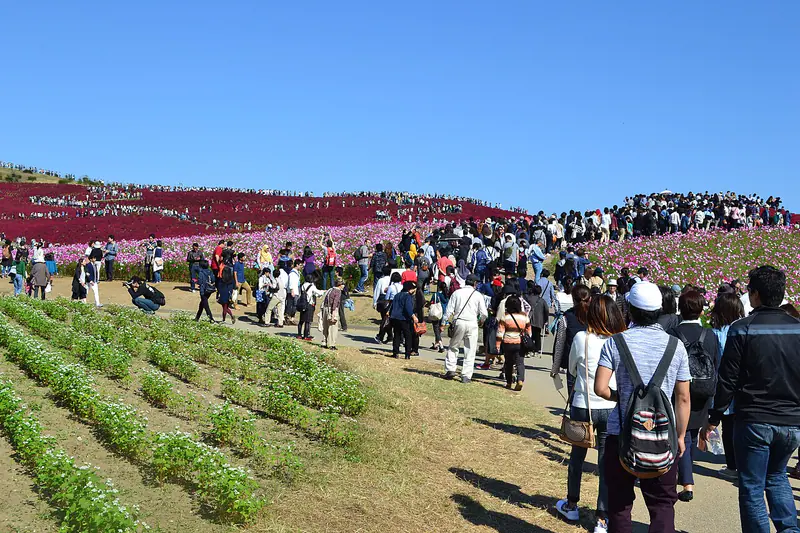
Pacific coast
Hitachinaka & the coast
Home to Hitachi Seaside Park, famous for its rolling hills of blue nemophila in spring and crimson kochia in autumn, on Ibaraki’s Pacific coast.
 Helping foreigners buy property in Japan
Ibaraki Prefecture · 茨城県
Ibaraki sits at the northeast edge of greater Tokyo: close enough to commute, affordable enough to buy comfortably, and full of coastline, lakes, mountains, and farm country. Foreigners can buy here with no visa required. See what your budget can buy.
Free account · No sales call · No obligation
¥14.4M
US$93K
median Ibaraki listing price, Q1 2026
~45 min
from Tsukuba to Akihabara on the Tsukuba Express
Pacific
coastline, lakes, mountains, and farm country
Tsukuba
Japan’s premier science city and research hub
USD amounts are estimates using the cached September 18, 2026 reference rate of ¥155.52 per US$1.
How to use these figures: Compare areas and set a realistic estimated all-in budget, which is the asking price plus 6 to 10 percent in purchase costs, repairs, and first-year running costs. Active asking prices and available homes change. Confirm the yen price and your payment provider's final exchange rate before you make an offer.
Compare Ibaraki with the rest of Japan: house prices by prefecture and city, houses for sale across Japan, and lower-priced houses in Japan.
Ibaraki sits at the northeast edge of greater Tokyo: close enough to commute, cheap enough to buy comfortably, and packed with coastline, lakes, mountains, and farm country.
The Tsukuba Express reaches Akihabara in about 45 minutes, and limited expresses link Mito to Ueno in around an hour. The capital is an easy day trip, not a world away.
With a Q1 2026 median near ¥14.4M (about US$93K), Ibaraki costs a fraction of Tokyo or Kanagawa, and rural akiya can be dramatically cheaper. Your budget goes further here.
Hitachi Seaside Park’s blue nemophila and red kochia hills, and Mito’s Kairakuen, one of Japan’s three great gardens, draw visitors from across the country.
Tsukuba is a planned research hub home to a major university, JAXA, and national labs, with wide streets, parks, and an unusually international community.
Ibaraki has a long Pacific coastline, Lake Kasumigaura (one of Japan’s largest lakes), and the twin peaks of Mount Tsukuba, plus waterfalls and hot springs inland.
Beyond the cities, Ibaraki is farm country: room for a garden, quiet towns, and akiya inventory, all within reach of the capital.
Ibaraki balances a science-city corridor, an affordable capital, the Pacific coast, and real countryside. Here are a few of the areas buyers ask us about most.
Pacific coast
Home to Hitachi Seaside Park, famous for its rolling hills of blue nemophila in spring and crimson kochia in autumn, on Ibaraki’s Pacific coast.

Capital & gardens
The prefectural capital, known for Kairakuen, one of Japan’s three great landscape gardens, spectacular in plum-blossom season, plus a relaxed, affordable city pace.
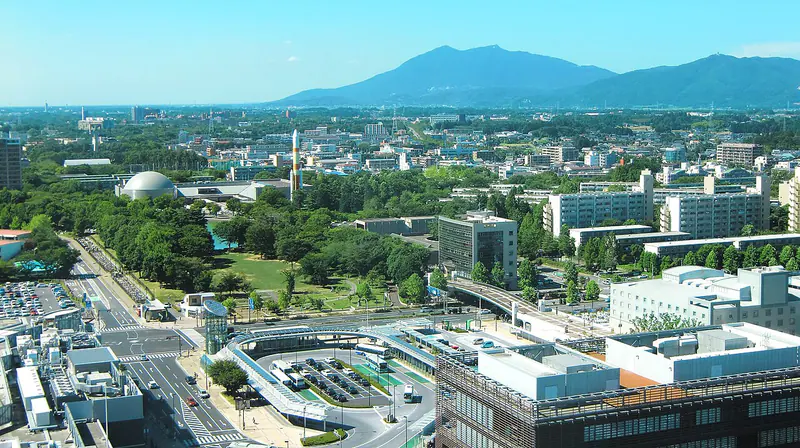
Science city
Japan’s premier science city: research institutes, a major university, and JAXA, with wide boulevards, parks, and Mount Tsukuba as a backdrop. About 45 minutes from Akihabara.
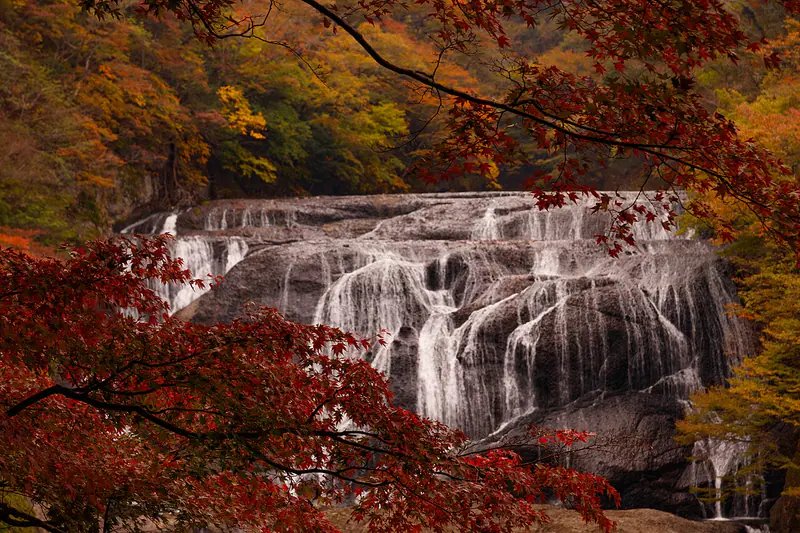
Countryside
Inland northern Ibaraki: the dramatic Fukuroda Falls, hot springs, rivers, and farm valleys, a countryside escape with akiya inventory and four-season scenery.
Start with a free budget and location check. See the Ibaraki price ranges that fit, the areas with stronger options, and the changes that could open more homes.
Free account · No sales call · No obligation
Compare your full budget and must-haves with more than 1.7M property records across Japan.
This example includes home type, size, condition, location, and renovation flexibility.
Strongest area
you selected
18,000+
potential matches in Ibaraki right now
Example buyer budget
All-in budget
$85,000
For the home
~$70,000
Includes estimated purchase taxes and fees.
Also analyzes location, size, condition, and renovation flexibility.

Best alternative for this plan
21,000+ potential matches in Osaka
1.7M+ Property Records
Compared across Japan
Budget After Costs
See what is left for the home
300+ Vetted Partners
Help across all 47 prefectures
Real Buyer Support
Answers from people in Japan
1
Start with the full budget. The Snapshot allows for common purchase costs, then shows the amount left for the property.
2
See whether your budget and must-haves give you strong, possible, or limited options in Ibaraki.
3
Weighing Tsukuba, Mito, the Hitachi coast, or the northern hills? Compare Ibaraki with other parts of Japan to see where your full budget has the strongest fit.
4
See whether a different area, home type, size, condition, or budget would improve your match.
The free Market Match turns your full budget and must-haves into a clear search position. You see where to start, what to adjust, and which alternatives deserve a closer look.
Create a free account so your answers and results stay together. No sales call is required.
Choose your preferred parts of Ibaraki, home type, size, condition, and location flexibility. It takes only a few minutes.
See how Ibaraki fits, which areas give you more choice, and what change could improve the result.
Get clear answers about ownership, remote buying, financing, due diligence, and choosing the right part of Ibaraki.
Foreign buyers can generally own land, houses, and condominiums in Ibaraki. Residency and a visa are not standard purchase requirements, but ownership does not give you immigration status.
Yes. AkiyaHub can coordinate Japanese calls, meetings, questions, and documents while you work with our team in English.
See the expected purchase costs in Ibaraki and each payment step before you commit. AkiyaHub does not hold your purchase funds.
See exactly where your money goesAkiyaHub can coordinate local agents, legal specialists, inspectors, renovation contractors, and home stewards through a network of 300+ partners we vetted ourselves.
Compare areas and homes with price data, Property Intelligence scores, maps, rail access, and advanced filters. You can search yourself or ask AkiyaHub to source homes that fit your plan.
Many steps can be coordinated remotely, including viewings, questions, documents, closing preparation, and handover. Your exact options depend on the property and transaction.
Mortgage access can be limited without Japanese residency or local income. Set your cash and financing plan first, then use the free Snapshot to see what remains for a Ibaraki home after common purchase costs.
It depends on your goal. For the shortest Tokyo commute and a planned, international community, look at Tsukuba and the Tsukuba Express corridor. For a relaxed capital with great gardens, consider Mito. For the coast, look at Hitachinaka and the Hitachi area. For countryside and akiya, explore Daigo and the northern hills. A free Market Match shows where your budget and must-haves fit current homes.
Tell us your budget, preferred areas, and intended use. We show you where to look first.
Start with the free Snapshot. See your strongest areas, realistic price range, useful alternatives, and the next step to take.
Photo credits