
 Helping foreigners buy property in Japan
The Airbnb Question
Can I buy a cheap house in Japan and put it on Airbnb?
It is the question we hear most from overseas buyers. The short answer is yes, it is legal. The honest answer is that under Japan’s minpaku rules, for a typical overseas budget and a house far from tourist demand, it almost never works, and the reasons will change how you buy.
180
max hosting days per year under the Minpaku Law
4
layers of approval that can each say no
$300k+
typical entry price in areas with real STR demand
↓ only
house values in Japan depreciate, they do not climb

The house you fall in love with
is rarely the house guests will pay for
1The Dream
The dream is seductive. The math is not.
Buy a beautiful old house for the price of a car. Renovate it. List it on Airbnb. Let tourists cover the mortgage-free cost of your future home in Japan. It sounds like the perfect plan, and it is the single most common plan we hear from overseas buyers.
First, a vocabulary check: Airbnb is just a booking platform. What you would be operating is minpaku, Japan’s regulated short-term lodging system, and the gap between the legal ability to operate minpaku and the practical reality of operating it is where nearly every buyer gets surprised.
So let’s walk through that reality, layer by layer.
2The Rules
Three legal ways to host paying guests
Japan gives you three frameworks for paid accommodation. Each one trades flexibility for compliance, and the one everyone wants is the most constrained.
The route people usually picture
Minpaku (Residential Lodging)
Under the Housing Accommodation Business Act (the "Minpaku Law"), owners can host paying guests for a maximum of 180 days per year, counted April 1 to March 31. Registration, guest identification, record-keeping, and ongoing reporting obligations all apply.
Year-round, but a real business
Ryokan / Hotel License
Properties licensed under the Hotel Business Act can operate year-round, but licensing requires significantly higher compliance: building regulations, fire safety systems, inspections, and local approvals. This is a hospitality business, not a side project.
What usually wins instead
Long-Term Rental
Monthly or annual leases are ordinary residential rentals, not short-term accommodation. They avoid nearly all Minpaku regulation, and for many foreign buyers this ultimately becomes the preferred option.
3The Catch
Not living in Japan full-time? Then you must hire a licensed manager.
"I will manage it remotely from abroad" is the single most common assumption overseas buyers make, and the law rules it out before you even start.
Under the Minpaku Law, if the host is not living on-site, day-to-day operation must be entrusted to a registered housing accommodation management company (juutaku shukuhaku kanri gyousha), a licensed business regulated by the government. This is a legal requirement. There is no remote-management loophole around it.
Which means that before your Airbnb plan is a marketing question or a renovation question, it is a hiring question: will a licensed company agree to take your property on? For a cheap property in a low-demand area, the honest answer is no.
Who can run it for you
- A friend who lives nearby
- A relative in Japan
- A local handyman or cleaner
- You, remotely, with apps and a smart lock
20 to 30%
of every booking
An ongoing revenue cut
Licensed managers charge a percentage of gross booking revenue, typically 20 to 30%, on top of platform fees, cleaning, utilities, and supplies. That slice comes off the top whether or not the rest of your numbers work.
They pick you
not the other way around
Selective by design
Because their income is a percentage of bookings, managers only accept properties they believe will book heavily, in high-demand, high-cost areas. A cheap rural akiya earns them almost nothing, so they simply decline it.
Upfront
one-time setup costs
Expensive onboarding
Before a manager takes a listing live, they require hotel-quality furnishing, contracted cleaning companies, professional photography, and stocked supplies, and the onboarding itself carries a significant one-time setup fee.
The catch-22 that ends most plans
You cannot legally operate without a licensed manager, and licensed managers will not work with you unless your property can stay heavily booked. The affordable vacant house that fits your budget is usually the property no manager wants. Buyers often discover this after the purchase, when they start calling companies and nobody says yes.
4The Gauntlet
Four layers of approval. Any one can say no.
The most common research mistake is googling “minpaku in Japan” instead of minpaku in one specific location. The national framework is just the foundation. The rules that decide your fate are local.
National law
The Minpaku Law caps unlicensed operations at 180 nights per year and requires registration, guest ID checks, record-keeping, and reporting. Going beyond 180 nights means full hotel licensing.
Prefecture and municipality
Local governments layer on their own ordinances: restrictions near schools and childcare facilities, residential-zone protections, noise rules, and historic preservation requirements. Two similar houses a few streets apart can have completely different hosting potential.
The building itself
Even when national and local law say yes, condominium management associations frequently prohibit short-term rentals through building bylaws, especially in urban areas. An apartment that looks perfect on paper may not be usable for Airbnb at all.
The neighborhood
Your chonaikai (neighborhood association) has real influence. Strangers with suitcases arriving at all hours on a quiet residential street creates friction, and complaints escalate quickly to the municipality.

Case in point: Kyoto
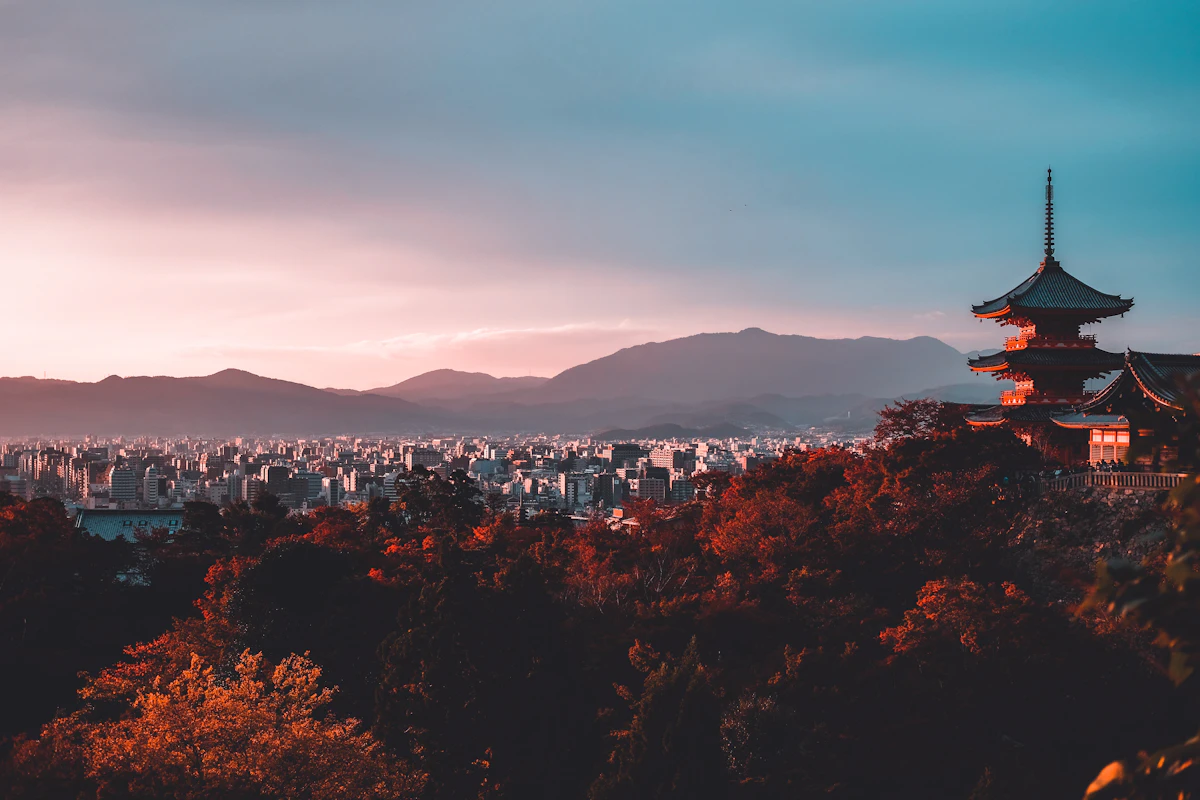
In parts of Kyoto, minpaku in residential areas is heavily restricted. Certain zones only allow operation during limited seasonal windows, cutting practical hosting days far below the national 180-day maximum.
The result: two seemingly identical properties can have completely different hosting potential. Legal feasibility has to be investigated before purchase, never after.
5The Standard
You are not renovating a house. You are building a hospitality product.
In Japan, long-term rentals are often offered as empty but functional spaces. Tenants bring their own fridge, stove, furniture, and lighting. Short-term guests expect the opposite, a finished, photographed, hotel-grade experience:
- Fully furnished, hotel-style interiors
- Reliable high-speed internet
- Complete kitchens and stocked essentials
- Hotel-quality linens and amenities
- Climate control in every room
- Photos that beat thousands of competing listings
This hits hardest with the properties people love most. Traditional machiya and kominka generate the strongest guest interest, and the biggest budget blowouts: structural repairs, modern plumbing, updated electrical, climate control, and fire-safety systems, all before a single “wow” design decision.

Your manager will handle
...and take a cut of every booking, forever.
The Part Nobody Tells You
Perfect execution cannot create demand.
Here is the mismatch that sinks almost every plan, even the perfectly executed ones.

Where tourists pay
Major city centers and famous destinations
Tokyo, Kyoto, Osaka, the resort towns everyone has heard of

Where your budget reaches
Regional towns and deep countryside
Beautiful, affordable, and unknown to every tourist on Earth
Suppose everything goes right. The prefecture allows it. The ward allows it. The city allows it. Your neighborhood association allows it. Licensing is approved, the property manager is hired, the cleaners are scheduled, and the listing goes live. You can do all of that, perfectly, and still earn nothing, because the town your budget could afford is not a town travelers want to visit. You cannot renovate demand into existence.
“Location creates demand. And the locations with demand cost far more than a cheap rural house.”
6No Safety Net
There is no exit through appreciation.
In many countries, an underperforming rental can still be rescued by the property going up in value. Japan does not work that way. There is no flipping culture, and outside a handful of elite urban districts, residential property does not appreciate.
Houses in Japan depreciate like used cars in America: the building loses value every year it ages, and in most markets the land underneath is not gaining enough to offset it. Prices go down. That is the default.
Which means a failed Airbnb cannot be saved by a resale. The money spent on licensing, furnishing, and renovation does not come back. Whatever plan you make has to work as a plan, not as a bet on rising prices.
Typical building value over time
Japanese homes depreciate like vehicles, not like Western real estate
7The Decision
Pick one goal. Not two.
The Airbnb dream is seductive precisely because it promises both: a house you love using and a house that pays for itself. In Japan, those two goals point at different properties in different places. Trying to satisfy both usually satisfies neither. People who start with Airbnb in mind rarely abandon the purchase. They pick one of these paths.

Path A
A home for you
Buy the place you want to live in or escape to. Pick it for the view, the town, the onsen down the road. Judge it entirely on what it gives you, with zero expectation it ever earns a yen. Without guests, occupancy targets, reviews, and regulations, ownership becomes dramatically simpler.
- Your budget goes much further in beautiful rural areas
- No licensing, managers, or guest turnover, ever
- Success is measured in enjoyment, not occupancy
Path B
A pure investment
Buy a property you would never use yourself, chosen entirely by the numbers: an area with proven long-term rental demand from local Japanese tenants. The property is a business asset, not a vacation home, and every decision is made by a spreadsheet, not your heart.
- Long-term tenants who stay for years, not nightly guests
- No minpaku gauntlet, ordinary residential leases
- Predictable, consistent monthly cash flow
If revenue is the goal, here is the model that works
The sweet spot is the commuter belt: towns and suburbs within a practical train ride of a major employment center, where people need housing but rental inventory is low. Taking a vacant akiya in one of these areas and renovating it to clean, safe, livable, not hotel-grade, is a proven way to generate consistent long-term cash flow.
No cleaning crews between guests. No seasonal swings. No review scores. No 180-night caps. Just tenants who tend to stay for years, in places your budget can reach.
8The Exception
Where Airbnb does work, and what it costs
Minpaku can work in the right location, with the right property and budget. The catch is what "right" means in Japan: high tourist demand, a licensed manager, and acquisition often at $300,000 to $500,000 or more.
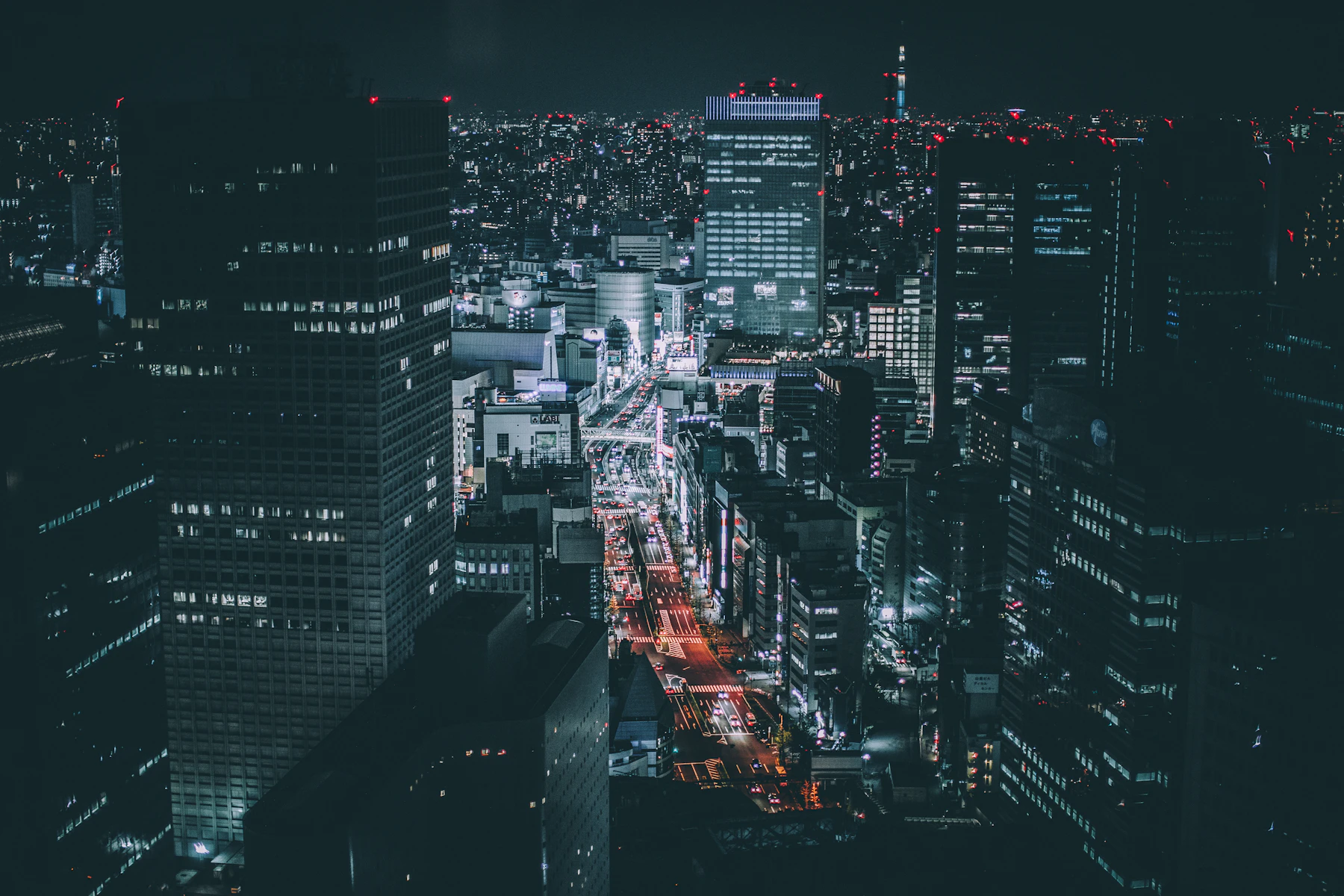
Central Tokyo
Year-round international demand
Kyoto
Iconic, capacity-constrained, heavily regulated

Osaka
Strong tourism plus special-zone allowances
$300k to $500k+
USD, acquisition alone
That is the typical entry price for properties in high-demand zones, before licensing, renovation, furnishing, and management. If that is your budget and your appetite, a real short-term rental business is possible. If your budget is a $30,000 house far from tourist demand, it is not, and no amount of effort changes that.
The expensive order
Fall in love with a property first, then try to make it work as a minpaku afterward. This is the order of operations that produces expensive surprises, because most homes in Japan are simply homes.
The order that works
Start with regulations, demand data, management logistics, and licensing, then select a property that fits those realities. Often that means buying a property that is already operating as licensed guest accommodation, evaluating an existing business instead of building one from scratch.
Common questions
Quick answers before you buy around an Airbnb plan
Can I buy a cheap house in Japan and put it on Airbnb?
It is legal in some cases, but for a typical overseas budget and a house far from tourist demand, it almost never works. The Minpaku Law caps most hosts at 180 days a year, a licensed manager is required if you do not live on-site, and cheap rural houses sit far from tourist demand.
What is the 180-day Minpaku cap?
Under the Housing Accommodation Business Act, owners can host paying guests for a maximum of 180 days per year, counted April 1 to March 31. Registration, guest identification, record-keeping, and ongoing reporting all apply. Going beyond 180 nights means a full hotel or ryokan license.
Do I need a licensed manager if I live outside Japan?
Yes. If the host is not living on-site, day-to-day operation must be entrusted to a registered housing accommodation management company. A friend, a relative, a cleaner, or remote apps and a smart lock do not qualify. Licensed managers typically take 20 to 30% of booking revenue and often decline cheap rural properties.
Why do cheap rural akiya fail as short-term rentals?
Tourist demand sits in major city centers and famous destinations. A budget that reaches a cheap rural house reaches towns travelers do not visit. Perfect licensing and renovation cannot create demand. Location creates demand, and the locations with demand cost far more than a cheap rural house.
Where can short-term rental work in Japan?
In high-demand zones such as central Tokyo, Kyoto, and Osaka, minpaku can work with the right property and budget. Typical acquisition alone is $300,000 to $500,000 or more, before licensing, renovation, furnishing, and management. A $30,000 vacant house far from tourist demand is not that property.

Ask whether this particular property should be a minpaku.
For a few, the answer is yes. For a typical overseas budget and a house far from tourist demand, the honest answer is no. Buyers who accept that early end up with a home they love, or a long-term rental that works on ordinary budgets.