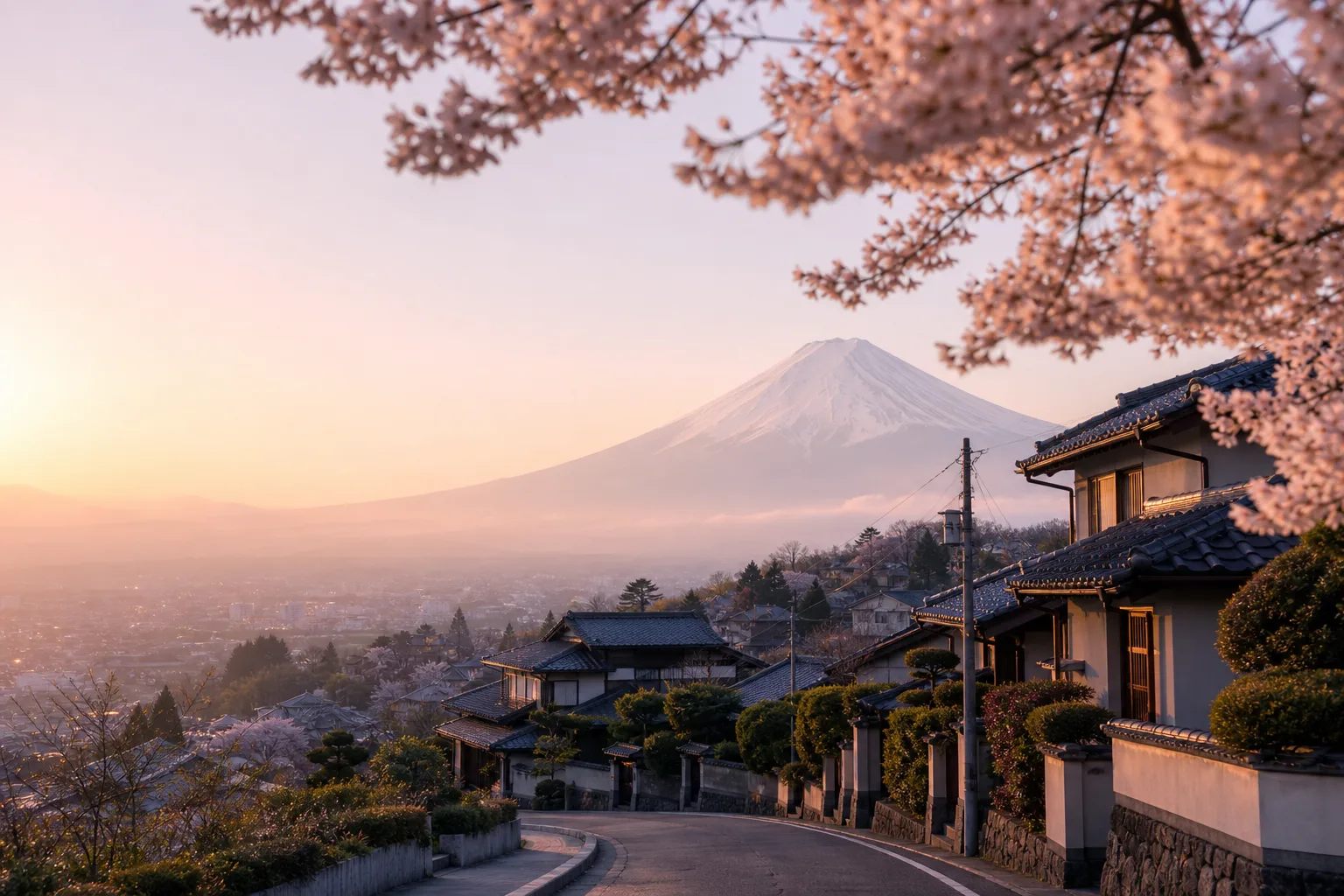
A ¥0 listing is a price, not a total cost
Imagine a buyer who finds a traditional rural home listed for ¥0. The building is attractive, the land is large, and the photos suggest it only needs some cleaning. After the transfer, however, the buyer learns that the house is full of belongings, the roof has been leaking, the septic system needs attention, and the property needs regular visits because it will sit empty most of the year.
The listing price was ¥0. Owning the property was not.
That does not make ¥0 akiya bad opportunities. Some are practical purchases for buyers with a clear use for the house, a realistic budget, and a plan for its condition and management. But the number in the listing is only the beginning of the calculation.
Before you accept
What to check before accepting a ¥0 akiya
A ¥0 akiya can be a practical purchase when the house fits your plans, its condition is understood, and you have the budget and local support to take responsibility for it. It can also be a property that an owner no longer wants to maintain, repair, insure, manage, or eventually demolish.
Before you accept a transfer, work through these four parts of the decision.
- 1Understand the transfer. Check how it will be structured and which taxes, registration costs, and professional fees may apply.
- 2Price the immediate work. Include cleanup, repairs, utility work, and the measures needed to make the property safe.
- 3Plan for ownership. Budget for taxes, insurance, maintenance, and local management, especially if you live outside Japan.
- 4Consider your options if plans change. Think realistically about renovation, resale, rental, demolition, or long-term use.
By the end of this process, you should be able to judge whether the property is a manageable project for your goals or an expensive responsibility you would be better off declining.
Important: This article provides general information, not tax or legal advice. Tax treatment, registration costs, and ownership obligations depend on the property, the transfer structure, and the buyer's circumstances. Confirm the details of a specific transaction with the relevant local authority, a judicial scrivener, tax professional, or other qualified adviser before proceeding.
The first step is to understand what the ¥0 price is telling you. A low price can come from an owner's personal circumstances, the property's condition, or both.
Start with the reason
Start by asking why the property is ¥0
A ¥0 price is not automatically a red flag. An owner may have inherited a house they do not use, live far away, or want to resolve a long-running family property issue. But the price can also reflect poor access, deterioration, old utility systems, limited resale appeal, or years of neglected maintenance.
Ask the seller or seller's agent
- ✓Why is the property being transferred for ¥0?
- ✓How long has it been vacant, and has anyone lived there recently?
- ✓What repairs, complaints, taxes, or maintenance issues has the owner dealt with?
- ✓Are there known problems with access, boundaries, utilities, drainage, or the building itself?
The price is not the problem. Failing to understand the reason for the price is.
Even when no money changes hands for the property itself, ownership still has to be transferred and registered. The structure of that transfer can affect the costs and paperwork that follow.
Transfer costs
The transfer may still create tax and registration costs
A ¥0 purchase price does not necessarily mean that taxes and transfer costs are ¥0. The structure of the transaction, the assessed value of the property, and the parties involved can all affect what needs to be paid and filed.
Real estate acquisition tax
Japan has a prefectural real estate acquisition tax, 不動産取得税 (fudōsan shutoku-zei). It can apply when land or a building is acquired through a sale, gift, or other transfer. The tax is generally based on assessed value rather than the amount shown in the listing.
Registration and professional fees
The ownership transfer must be registered with Japan's Legal Affairs Bureau. This can involve 登録免許税 (tōroku menkyo-zei), or registration and license tax. Many buyers also use a 司法書士 (shihō shoshi), or judicial scrivener, to prepare and file the registration documents.
Gift-tax questions
A ¥0 transfer between individuals may raise gift-tax questions. This does not mean every ¥0 akiya creates a gift-tax bill, but you should confirm whether the arrangement is a sale, gift, inheritance-related transfer, or something else before signing anything.
Once the transfer is understood, look at what you would inherit on the site. In many vacant homes, the first visible cost is not renovation. It is clearing the house and land.
Immediate work
Cleanup can be the first large expense
Many older akiya still contain the previous owner's belongings. Furniture, appliances, clothing, tools, household goods, garden equipment, and accumulated waste can all become the new owner's responsibility.
Outside, there may be sheds, outbuildings, overgrown vegetation, damaged fencing, or items left in the yard. Buyers abroad may need local help to empty the house, dispose of waste, clean the building, cut back vegetation, and make the site safe.
Confirm before transfer
- ✓What belongings will remain in the house and on the land?
- ✓Who is responsible for removing them?
- ✓Are there outbuildings, storage areas, or land that also need clearing?
- ✓Is there known waste, damage, or hazardous material that needs specialist handling?
A cleared house can still hide expensive problems. Before you budget for improvements or imagine living there, you need a realistic view of the building's condition.
Condition review
A house can look complete and still be unusable
Listing photos may show a kitchen, bathroom, electrical outlets, and traditional rooms in reasonable condition. They do not tell you whether the roof leaks, the plumbing works, the wiring is safe, or the foundation has serious problems.
Common issues in older vacant homes
- ✓Roof leaks, water damage, rotting floors, or structural deterioration
- ✓Moisture, mold, poor ventilation, termites, or other pest damage
- ✓Old plumbing, drainage systems, electrical wiring, windows, insulation, or heating equipment
- ✓An aging septic system that needs review or repair
Separate the cost to acquire the house from the cost to make it usable for your goal. A buyer who spends ¥3 million repairing a ¥0 property has taken on a house that needs ¥3 million of work.
The building itself is only part of the question. A house may look intact while the systems that make it livable have been disconnected, neglected, or left unused for years.
Utilities
Check utilities individually
Installed is not the same as connected. Connected is not the same as functional. A water tap, electrical outlet, gas connection, or bathroom may still need substantial work before the home is comfortable or safe to occupy.
Check each system
- ✓Water supply and plumbing
- ✓Electricity and electrical capacity
- ✓Gas service or alternative fuel arrangements
- ✓Sewer connection or septic-system condition
- ✓Heating and hot-water equipment
- ✓Internet availability, if you plan to work remotely
After you understand the immediate work, step back and test the larger plan. The question is not simply whether the house can be repaired, but whether repairing it makes sense for the way you plan to use it.
Test the plan against reality
- ✓Consider the building's condition, your intended use, local demand, and the likely renovation budget.
- ✓Think about what you would do with the property if your plans change.
- ✓Do not assume demolition is necessary, but do not rule it out simply because the listing price was low.
A ¥0 house with severe structural problems can cost more overall than a ¥5 million house that is already sound and usable.
A workable renovation plan does not end at completion. If the home will be used only part of the year, you also need a practical plan for the periods when you are away.
Ongoing ownership
Ownership continues when you leave Japan
Akiya can work as second homes, vacation homes, or future relocation projects. But a vacant home still needs someone nearby. Leaks, storms, pests, frozen pipes, vegetation, mail, and security issues do not wait for your next trip to Japan.
Japan's Ministry of Land, Infrastructure, Transport and Tourism identifies ongoing management as an important part of vacant-house ownership. An unmanaged property can deteriorate, create safety issues, and become a problem for neighbors and local authorities.
Make a local management plan
- ✓Schedule regular inspections and ventilation.
- ✓Plan for vegetation, mail, local notices, storm response, leaks, and emergency access.
- ✓Include insurance and a local property manager or trusted contact in the annual ownership budget if you will be abroad.
Regular upkeep protects more than the building. A property that is left unattended can create concerns for neighbors, local authorities, and the owner.
Vacant-house management
Leaving the house empty can affect more than its condition
An empty house is not automatically a legal problem. But a house left unmanaged can deteriorate quickly and may create safety, sanitation, or neighborhood concerns. Leaving a property untouched for years is a management decision with risks.
Municipal categories
Japan's vacant-house framework includes 管理不全空家 (kanri fuzen akiya), meaning an inadequately managed vacant house, and 特定空家 (tokutei akiya), meaning a specified vacant house. Municipalities may use these categories where a property presents, or risks presenting, serious problems.
Possible tax consequences
If a municipality issues a recommendation regarding a qualifying inadequately managed or specified vacant house, the property may lose the preferential residential-land treatment that can reduce the taxable base for fixed asset tax. The legal category, the property's condition, and the municipality's actions all matter.
Build a total-cost picture before you accept
Before you pursue a ¥0 akiya, separate the costs into four categories.
Cost category | Questions to answer |
|---|
Transfer | How will the transaction be structured? What taxes, registration fees, and professional costs may apply? |
Immediate work | What needs cleaning, removing, repairing, reconnecting, or securing before the house can be used? |
Ongoing ownership | What will you pay each year for taxes, insurance, utilities, maintenance, and local management? |
Exit options | If your plans change, can you sell, rent, renovate, demolish, or continue maintaining the property? |
This framework is more useful than asking whether the house is cheap. It helps you see whether the property fits your budget, use case, and ability to manage it over time.
At this point, you should have a clearer sense of the costs, condition questions, and management responsibilities involved. Use the checklist below as a final pass before you agree to take ownership.
Final check
Questions to answer before you accept a ¥0 akiya
Use this as a final check before you agree to take ownership. If you cannot answer several of these questions, you may not need to reject the property immediately, but you do need more information before accepting the transfer.
Transfer and ownership
- □Why is the property being offered for ¥0?
- □Is the transfer a sale, gift, inheritance-related transfer, or another arrangement?
- □Can the seller transfer clear ownership, and are there lien, boundary, access, or private-road issues?
- □What taxes, registration costs, professional fees, unpaid taxes, fees, or other obligations may apply?
Condition and immediate work
- □What belongings, waste, vegetation, sheds, and outbuildings will become your responsibility?
- □Has the house been reviewed well enough to identify the main repair risks and the work needed to make it safe and usable?
- □Are the roof, structure, floors, plumbing, wiring, drainage, septic system, utilities, heating, and internet workable, or do they need repair, reconnection, or upgrades?
Local use and ongoing management
- □Are there local rules or practical limits affecting renovation, rebuilding, demolition, waste disposal, or your intended use?
- □What will the property cost each year for taxes, insurance, utilities, maintenance, and local management?
- □Who will inspect the home, respond to leaks or storms, manage vegetation, and handle local notices when you are away?
Your plan for the property
- □Does the location work for how you actually plan to use the house?
- □Is the building realistically worth renovating for that purpose?
- □If plans change, are you prepared to maintain, sell, rent where appropriate, renovate further, or demolish the property?
The better way to think about a free house
A ¥0 akiya is not a house that costs nothing. It is a house with a ¥0 purchase price and a set of responsibilities that transfer with ownership.
For the right buyer, that can still be worthwhile. A home may be a good fit if its condition is understood, the location works for your plans, and the total cost remains realistic after cleanup, repairs, taxes, and management.
The mistake is stopping the calculation at ¥0.
Simple rule: Do not ask only what a ¥0 house will cost you to buy. Ask what it will cost you to own, use, maintain, and eventually leave.
If you are evaluating a property in Japan, start with the full picture, including condition, transfer structure, local context, and the work required after closing. This is the work AkiyaHub supports before a buyer commits: understanding the property beyond its headline price and deciding whether the full responsibility fits their plans.
A note on taxes and legal issues
Tax rules, exemptions, assessed values, registration costs, and municipal treatment vary by property and transaction. Confirm the treatment of a specific property with the relevant prefectural or municipal office, tax office, Legal Affairs Bureau, judicial scrivener, or qualified professional before completing a transaction.
Sources used for this article
Akiya Due Diligence Checklist: 10 Things To Check Before You Fall In Love
This article is part of AkiyaHub's due diligence series for buyers who want to look beyond the listing price before making an offer.
Continue with the other checks:
Ready to explore?


 AkiyaHub Team