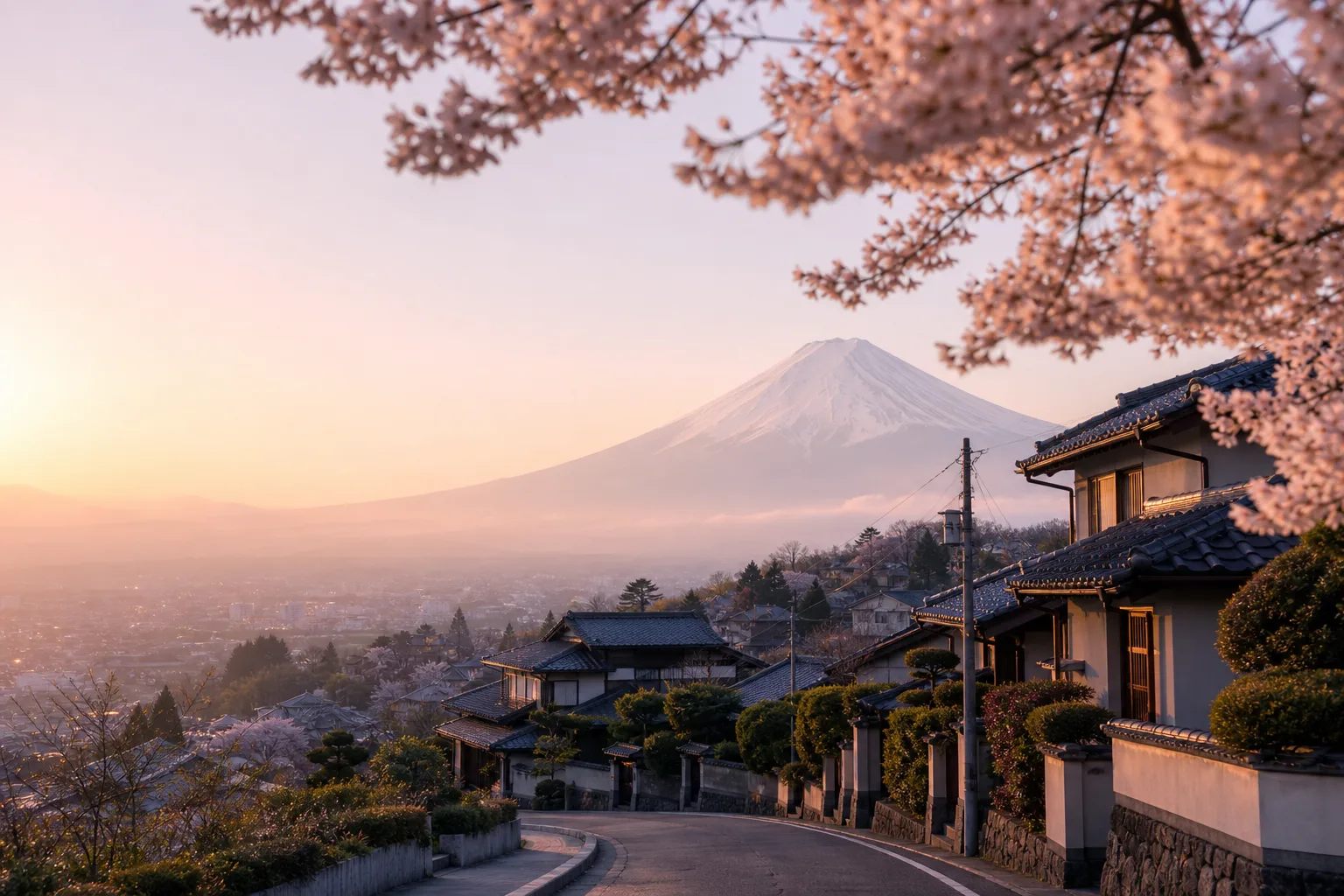
Historic Streets, Central Access, Hillside Character
Higashiyama Ward sits between the wooded Higashiyama mountain range to the east and the Kamo River to the west in Kyoto. Known for places such as Kiyomizu-dera and Yasaka Shrine, it is both one of the city's best-known historic districts and a lived-in residential area. Behind the busy temple approaches, historic wooden townhouses, narrow alleys, local shops, and quieter side streets still shape daily life.
For buyers, the appeal is the chance to live close to traditional architecture, cultural sites, nearby hills, and central Kyoto. Shijo Kawaramachi is across the river, putting larger shops, dining, and department stores within reach. Rail, walking, and cycling can cover much of daily life, especially for homes near a useful station or along a practical route to local services. That convenience comes with a different kind of living environment from a quieter suburb. Streets can be denser, visitor activity is part of the setting, and larger homes with private parking or generous outdoor space are less common. Higashiyama tends to suit buyers who value atmosphere, walkability, and traditional character enough to accept those constraints.
HIGASHIYAMA WARD, KYOTO
The Higashiyama tradeoff
Historic surroundings and central convenience come with a denser, more public way of living.
🏯 What draws buyers here
Traditional Kyoto is part of the daily setting
Higashiyama suits buyers who want historic streets, traditional architecture, nearby hills, and central Kyoto within reach of home. It can appeal to professionals, craftspeople, families, and retirees who value character and walkability over extra space.
🏘️ What daily life feels like
A residential neighborhood inside a major visitor district
Quiet residential passages, local shops, and close neighborhood ties sit near some of Kyoto's busiest cultural areas. Kyoto Women's University also brings a regular student presence to parts of the ward.
🚆 The convenience side
Central shopping and regional travel remain close
Shijo Kawaramachi is across the Kamo River, putting larger shops, dining, and department stores within easy reach. Rail links also make it practical to move around Kyoto and travel onward through the Kansai region.
HIGASHIYAMA WARD, KYOTO
At a glance
A historic, walkable Kyoto district where rail access matters more than car ownership.
Prefecture
Kyoto Prefecture
Nearest major city
Central Kyoto City, with direct rail connections to Osaka.
Transport
Keihan Main Line, Kyoto Municipal Subway Tozai Line, and JR Nara Line.
Lifestyle
Historic landmarks and quiet residential alleys sit close to central shopping districts.
Typical housing
Kyomachiya townhouses, renovated detached homes, and secondhand condominiums.
Car ownership
Usually unnecessary for daily life. Walking, cycling, and trains are often easier because roads are congested and parking is limited.
Defining character
Temple districts, tea houses, and geisha quarters alongside ordinary residential streets between the Kamo River and eastern hills.
HIGASHIYAMA WARD, KYOTO
Why buyers like this area
Historic surroundings, central access, and housing with character are the main draw.
Nature close to home
River paths, hills, and temple grounds are part of the local routine
The Kamo River and Higashiyama mountains give residents access to walking routes, riverfront paths, and historic grounds without leaving the ward.
Rail access
Central Kyoto and Osaka are reachable without relying on a car
The Keihan Line and Tozai Subway connect the ward to Shijo Kawaramachi, other parts of Kyoto, and onward routes to Osaka.
Property character
Older homes can suit restoration, renovation, or live-work plans
Kyomachiya and older detached homes offer a different proposition from standard urban apartments, especially for buyers who value traditional materials and adaptable interiors.
Community and education
A residential setting with schools, universities, and local ties
Nearby university campuses, municipal schools, and long-established neighborhood relationships support day-to-day life beyond the tourist areas.
Family practicalities
Child healthcare costs have clearer monthly limits
Municipal healthcare support caps monthly out-of-pocket medical costs for children, which can make family budgeting more predictable.
HIGASHIYAMA WARD, KYOTO
Things to consider
The historic setting brings practical limits around crowds, terrain, shopping, and vehicle access.
Seasonal visitor pressure
Spring and autumn can bring crowded footpaths, congested roads, and delayed buses around major temple corridors.
Steep eastern slopes
Walking and cycling can take more effort in higher areas, particularly on narrow roads around Kiyomizu-dera and the Five-Story Pagoda.
Daily shopping varies by location
Higher-elevation residential areas have fewer regular supermarkets, so errands may require planning around lower areas or neighboring wards.
Older streets can limit building options
Narrow alleys and non-conforming road frontage can affect reconstruction, fire-safety measures, and vehicle access. Historic-area building rules also matter.
A car can be more burden than benefit
Parking is expensive and scarce near major landmarks, street parking is not available, and tourist zones have traffic restrictions.
HIGASHIYAMA WARD, KYOTO
Housing you'll find here
Expect older, compact homes and selective condominium options rather than large new developments.
Traditional homes
Kyomachiya and established detached houses shape the market
Traditional wooden townhouses and older standalone homes are found in areas including Kiyomizu, Imakumano, and Tofukuji. Many sit on narrow residential lanes with limited vehicle access.
Renovation potential
Older akiya may have character, but usually need practical upgrades
Vacant traditional timber homes can include courtyard gardens, exposed beams, and tile roofs. Buyers should expect to assess insulation, structural reinforcement, plumbing, and other updates.
New-build constraints
Replacement homes remain subject to strict local rules
Large new apartment complexes and suburban-style developments are rare. Buyers who replace an older structure must work within Kyoto's height and design guidelines.
Lower-maintenance option
Secondhand condominiums cluster near transport corridors
Buyers looking for a more conventional urban layout can find secondhand condominiums near the Kamo River and Sanjo Keihan Station.
HIGASHIYAMA WARD, KYOTO
Everyday life
Daily needs are handled through local shops, nearby services, and easy access to central Kyoto.
Shopping and errands
Local groceries, traditional streets, and larger retail nearby
Fresco Higashiyama Yasui and Happy Rokuhara cover regular grocery needs. Furukawa-cho and Gion shopping streets add specialty shops, bakeries, and food vendors, while Shijo Kawaramachi offers broader retail across the river.
Food and local businesses
Cafes, neighborhood dining, and craft spaces sit among residential streets
Restored Kyomachiya house cafes such as Green Door, dining spots including Utsuwa to Cafe Bar Mokumoku, tea houses, and traditional workshops are part of the ward's everyday fabric.
Family, education, and healthcare
Schools and medical facilities are available in and around the ward
Local options include Higashiyama Izumi, Kaisei Junior High School, Imihara Higashiyama Hospital, Kawamura Hospital, and nearby Kyoto First Red Cross Hospital.
Parks and downtime
Green space is close, even in a dense historic district
Maruyama Park and the grounds around Toyokuni Shrine provide places to walk, pause, and spend time outdoors.
HIGASHIYAMA WARD, KYOTO
Getting around
A well-located property can work comfortably with rail, walking, cycling, and selective bus use.
Regional and cross-city travel
Rail stations along the ward's western side provide the strongest connections
The Keihan Main Line serves Gion-Shijo, Kiyomizu-Gojo, Shichijo, and Tofukuji. The Tozai Line serves Sanjo Keihan, Higashiyama, and Keage. JR Tofukuji connects toward Kyoto Station and southern routes, while Hankyu Kyoto-Kawaramachi is across the river.
Local movement
Walking and cycling handle many short trips
Buses run along major roads such as Higashioji-dori, but tourist-season traffic can make journeys less predictable. For local errands, walking and cycling are often the practical default.
Car reality
Vehicle ownership brings cost and access constraints
Narrow roads, limited parking, traffic restrictions, and garage costs of roughly 20,000 to 30,000 yen a month can make a car difficult to justify for everyday use.
HIGASHIYAMA WARD, KYOTO
Lifestyle and local character
Seasonal scenery, living traditions, and ordinary neighborhood routines share the same streets.
Seasonal setting
The river, parks, and temple grounds mark the changing year
Spring blossoms appear along the Shirakawa River and in Maruyama Park. Autumn foliage draws attention to temple grounds such as Tofukuji and Kiyomizu-dera.
Historic streets in active use
Traditional architecture and working cultural districts remain visible
Stone-paved lanes, wooden lattice storefronts, Gion, and Miyagawacho remain part of the ward's lived environment, alongside artisans, tea masters, geiko, and maiko.
Festivals and evening events
The calendar changes how the neighborhood feels
Gion Matsuri brings July processions and traditional music near Yasaka Shrine. Higashiyama Hanatouro has illuminated historic paths and temple gardens around Kodai-ji and Shoren-in.
An ordinary weekend
A local day can be simple and close to home
A resident might walk beside the Kamo River, shop locally, visit a ceramic studio, follow a mountainside path, and finish the day at a neighborhood cafe.
HIGASHIYAMA WARD, KYOTO
Who this area is best for
The best fit depends on your comfort with historic streets, slopes, visitors, and car-free living.
A good fit if you...
Want historic temples, traditional architecture, and seasonal scenery within walking distance.
Prefer trains, walking, and cycling to daily car use.
Are interested in a Kyomachiya or another traditional wooden home.
Want access to central Kyoto while living in a neighborhood with local ties.
Value nearby river paths, green space, and historic walking routes.
You may prefer another area if you...
Depend on a personal car for errands, commuting, or frequent long-distance travel.
Find seasonal visitor crowds, busy sidewalks, and traffic delays frustrating.
Need a large modern floor plan, off-street parking, and a substantial private yard.
Prefer flat streets and a large supermarket close by.
Want a suburban setting away from festivals, public events, and sightseeing activity.
Walkable Living in Kyoto's Historic East
Higashiyama Ward offers a rare opportunity to experience daily life inside one of Japan's most celebrated historic districts. By balancing centuries of architectural heritage with convenient access to central Kyoto and regional transit lines, the area provides a distinctive living environment for residents who value culture, walkability, and community ties.
If you are drawn to traditional timber architecture, historic streetscapes, and living alongside Kyoto's natural hills and waterways, Higashiyama may be the right location for your property search. Explore available listings in Higashiyama Ward to find homes that align with your lifestyle goals and daily preferences.
Ready to explore?
👉 How to Find Your Dream Property in Japan: Learn how to explore regions, compare value, and confidently discover standout homes using AkiyaHub’s most powerful search approach.
👉 Join the AkiyaHub community: Learn from real buyers, ask questions freely, and move forward with confidence as you explore owning a home in Japan.
Your next step · about 2 minutes
You know Kyoto now. See how it compares for your budget.
Answer 11 quick questions. Your free Snapshot compares Kyoto with every other area your budget can reach, shows how many listings match today, and what to adjust to unlock more options.


 AkiyaHub Team