Walkable neighborhoods, everyday convenience, strong rail connections
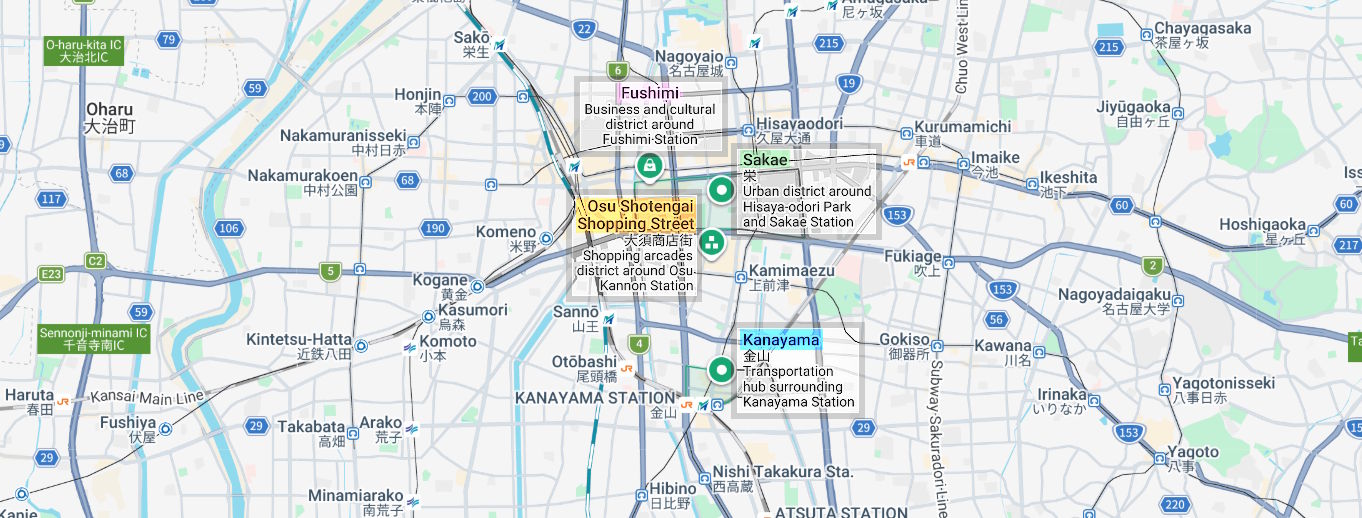
Central Nagoya comprises four distinct inner-city neighborhoods: Sakae, Fushimi, Osu, and Kanayama. Situated primarily within Naka Ward, with Kanayama extending south into Atsuta Ward, this central district represents the commercial, transit, and cultural core of the metropolis.
Sakae operates as the primary commercial hub, characterized by department stores, landmark towers, and lively entertainment avenues. Directly to the west, Fushimi serves as an established corporate and financial center, offering a calmer atmosphere alongside prominent theaters and art museums.
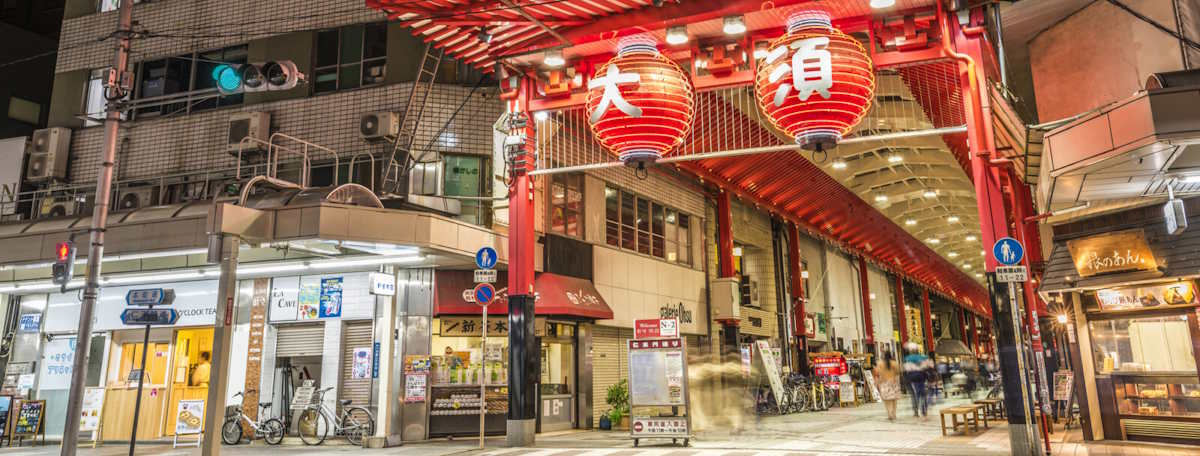
South of Fushimi lies Osu, a vibrant merchant neighborhood centered on a historic Buddhist temple, renowned for its extensive covered shopping arcade, diverse street food, and eclectic subculture shops. Further south, Kanayama functions as a vital regional transit junction, bringing together multiple rail operators and direct airport connections.
Each neighborhood maintains a clear individual identity while forming a cohesive urban network connected by subway lines and wide, level avenues.
Central Nagoya: Sakae, Fushimi, Osu & Kanayama
The Central Nagoya Tradeoff
Walkable city living means choosing carefully between convenience, street activity, and private space.
Convenience over outdoor space
Shops, restaurants, and rail connections can form the basis of daily life. In return, expect less private outdoor space and fewer detached homes than in less central neighborhoods.
The street matters as much as the neighborhood
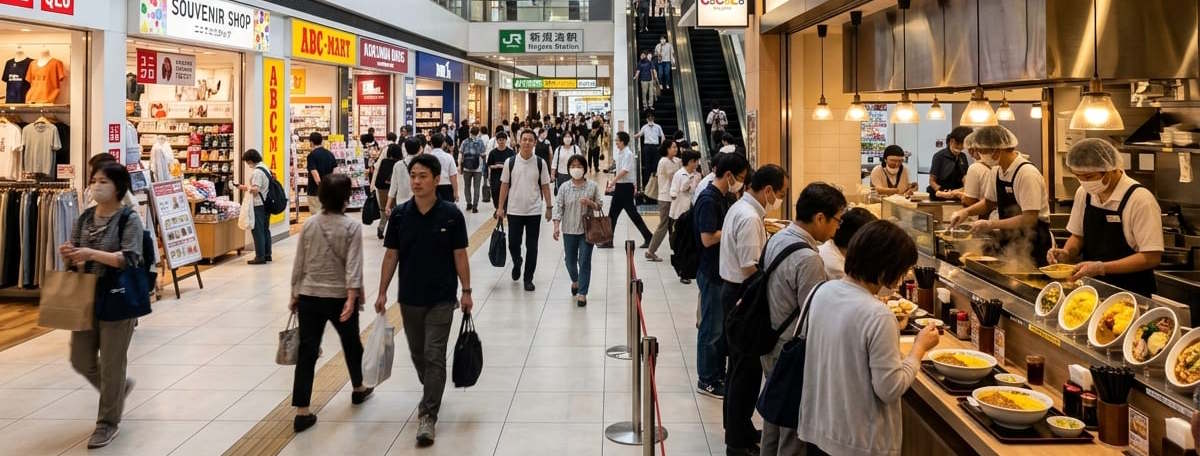
Sakae's shopping streets, quieter Fushimi side streets, Osu's covered arcades, and Kanayama's station approaches offer different daily rhythms. Subway connections keep these areas within easy reach, but noise and foot traffic depend on the address.
Before narrowing your search, walk the route to groceries and transit. Visit the street in the evening and on a weekend to judge whether its pace suits your stay.
Central Nagoya: Sakae, Fushimi, Osu & Kanayama
At a Glance
Four inner-city neighborhoods with condominium housing and extensive rail connections.
- Prefecture and setting
- Aichi Prefecture, within central Nagoya and close to Nagoya Station.
- Transportation
- Subway connections across the center, with JR and Meitetsu services at Kanayama.
- Lifestyle
- Walkable urban living across shopping districts, office streets, historic arcades, and busy station areas.
- Typical housing
- High-rise condominiums, compact apartments, and mid-rise residential buildings.
- Car recommendation
- Generally unnecessary for a well-located home near transit and everyday services. Walking, cycling, and trains can cover daily routines.
- Defining characteristic
- Distinct neighborhood identities within a connected city center undergoing redevelopment.
Central Nagoya: Sakae, Fushimi, Osu & Kanayama
Why Buyers Like This Area
A central address can put errands, dining, and regional travel close at hand.
Rail access for local and longer journeys
Fushimi and Sakae have direct subway connections to Nagoya Station. Kanayama combines regional rail services with direct Meitetsu connections to Chubu Centrair International Airport.
Everyday services within walking distance
Department stores, underground shopping corridors, groceries, restaurants, and clinics support daily routines without relying on a car. The actual selection depends on the property location.
Practical walking and cycling
Generally level streets make trips between central neighborhoods manageable on foot or by bicycle.
A choice of neighborhood atmosphere
Compare Sakae's retail streets, Fushimi's office and cultural district, Osu's shopping arcades, and Kanayama's transit-focused setting.
Central Nagoya: Sakae, Fushimi, Osu & Kanayama
Things to Consider
Space, parking, and street activity are the main compromises of a central address.
- Driving and parking
- Rush-hour congestion, one-way streets, and parking costs can make routine car use less convenient than walking or taking transit.
- Space and housing choice
- Compact apartments are common. Spacious multi-bedroom homes and detached houses are harder to find and comparatively expensive.
- Sakae and Osu crowds
- Shopping, nightlife, and weekend visitors can bring noise and busy sidewalks. Check the particular street rather than judging the whole neighborhood alike.
- Fushimi outside office hours
- Business-oriented streets can become quieter after work and on weekends. Check the opening hours of nearby eateries, groceries, and services.
- Kanayama station surroundings
- Station approaches carry heavy commuter traffic at peak times. Municipal no-smoking zones also apply around the terminal.
Central Nagoya: Sakae, Fushimi, Osu & Kanayama
Housing You'll Find Here
Condominiums dominate, with limited pockets of older low-rise and detached housing.
Condominiums, often called "mansions" in Japan, range from compact studios to multi-bedroom homes in new towers and established resale buildings. Detached homes and vacant residential plots are scarce in the central commercial areas.
Sakae and Fushimi
High-rise residences and mid-rise complexes emphasize station access, security, and building services rather than private gardens. Resale condominiums can offer scope for interior remodeling.
Osu
Apartment buildings line the main roads. Smaller lanes around the arcade include older timber-frame homes and low-rise buildings, though standalone houses remain limited.
Kanayama and its outer residential streets
Condominium towers cluster near the station. Farther out, including toward Atsuta and Nakagawa wards, the mix includes modest detached houses, small plots, and older residences.
If a detached home is essential, focus on the limited low-rise pockets and outer residential streets rather than expecting a broad choice beside the main stations.
Central Nagoya: Sakae, Fushimi, Osu & Kanayama
Everyday Life
Shopping, food, parks, and cultural facilities shape routines within each neighborhood.
Groceries and daily shopping
Sakae combines department-store food halls with neighborhood markets. Osu has independent grocers such as Sanoya and covered shopping streets. Kanayama has station-area shopping around Asunal Kanayama, while Fushimi has urban grocers and convenience stores among its offices.
Eating out
Osu offers noodle shops and street-food stalls, Fushimi has office lunch spots, and Sakae has a broad restaurant selection, including higher-end dining.
Parks and cultural outings
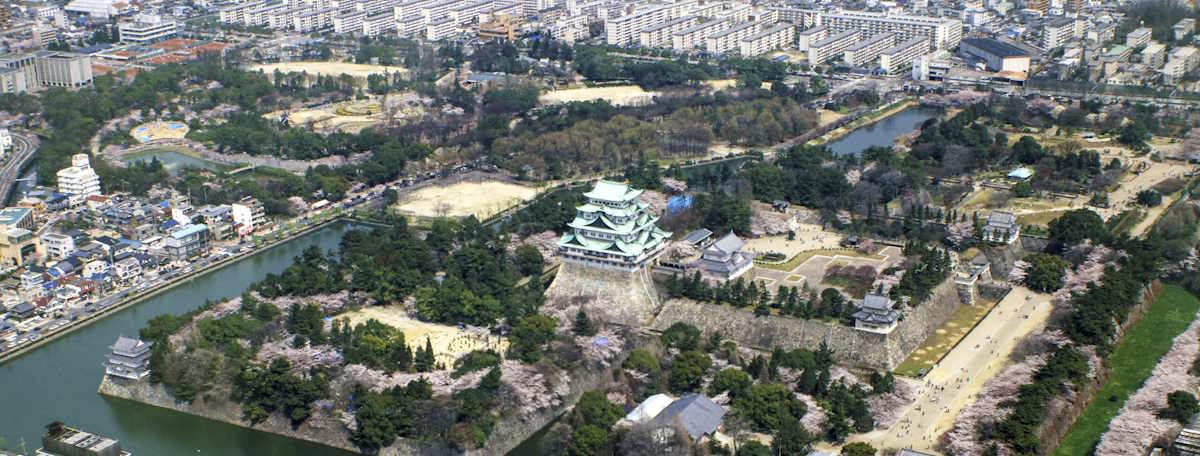
Hisaya-odori Park provides walking space in Sakae. Shirakawa Park contains the Nagoya City Science Museum and Nagoya City Art Museum. Flarie near Osu and Haba Park in Kanayama add smaller outdoor options.
Healthcare and family routines
The central wards have clinics, dental practices, and general hospitals. Local elementary and middle schools serve the district, while parks, museums, and cultural centers provide family recreation.
Central Nagoya: Sakae, Fushimi, Osu & Kanayama
Getting Around
The nearest station and your everyday walking routes matter more than a central address alone.
City and regional rail
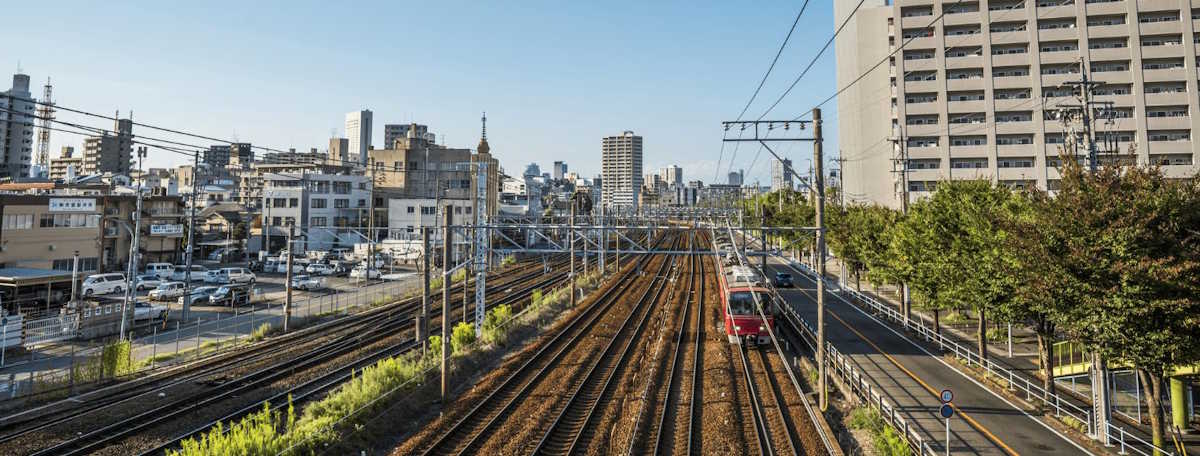
The Higashiyama Line connects Fushimi and Sakae directly to Nagoya Station in roughly three to five minutes on the train. The Meijo Line links Sakae and Kanayama and meets the Tsurumai Line at Kamimaezu.
Kanayama brings together subway services, the JR Tokaido and Chuo lines, and Meitetsu trains with direct airport connections.
Local daily movement
Generally level terrain supports walking and cycling between central neighborhoods. Municipal buses complement the rail network along main corridors. A home close to transit and groceries can support stays without a car.
If you plan to drive
Main roads can be congested at rush hour. One-way streets, restricted turns, and paid parking add time and expense to short trips.
Check the property's actual walk to the station and groceries, then compare the rail routes you expect to use. Train journey times do not include the walk from your door.
Central Nagoya: Sakae, Fushimi, Osu & Kanayama
Lifestyle & Local Character
Office streets, temple shopping lanes, and modern public spaces give each neighborhood its own rhythm.
Fushimi: cafés, parks, and museums
Coffee shops and Shirakawa Park offer a quieter counterpoint to the office district. The nearby museums make cultural outings part of an ordinary weekend.
Osu: temple streets and independent shops
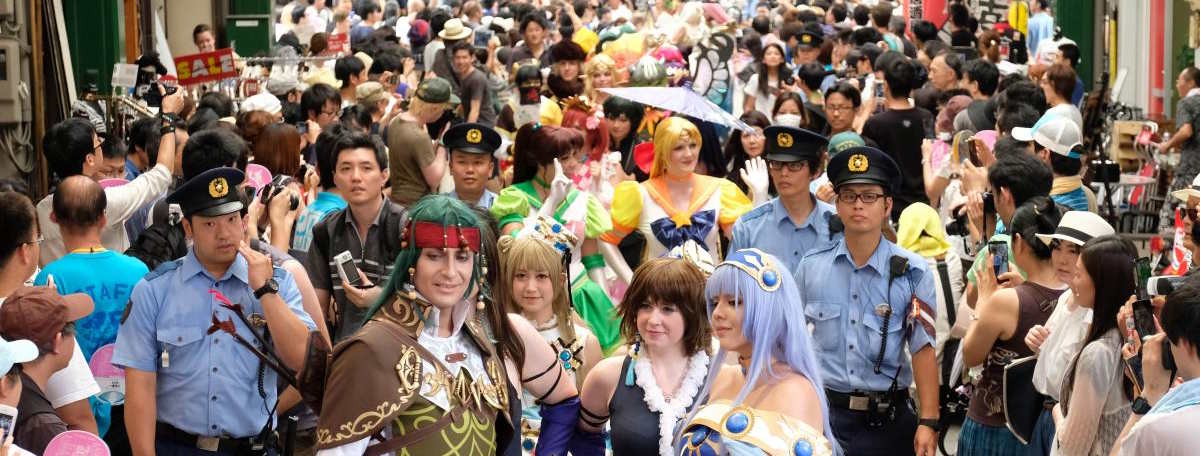
Osu Kannon and the covered shopping district sit alongside vintage clothing, retro game shops, and street-food stalls. Summer festivities include cosplay parades and traditional hand-held fireworks.
Sakae: shopping and changing city spaces
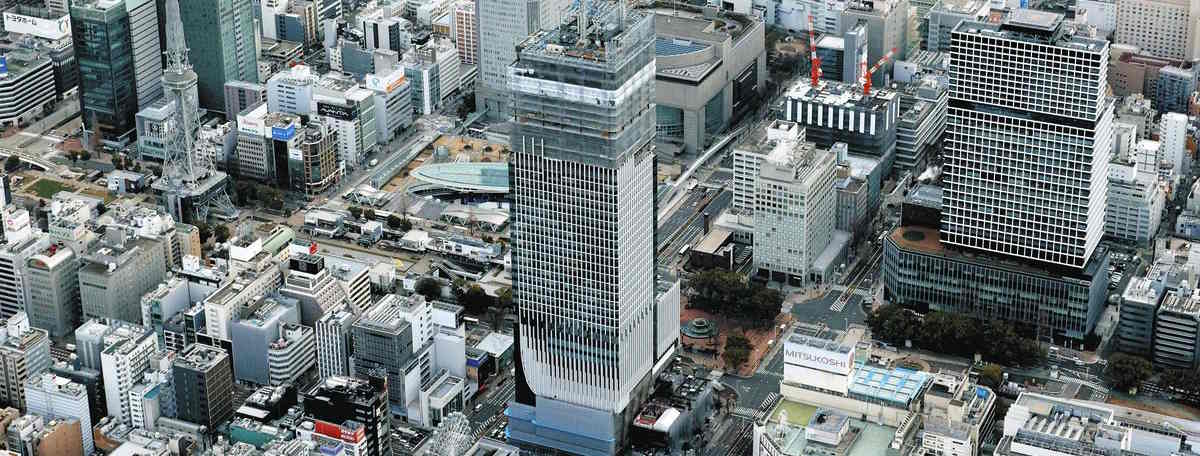
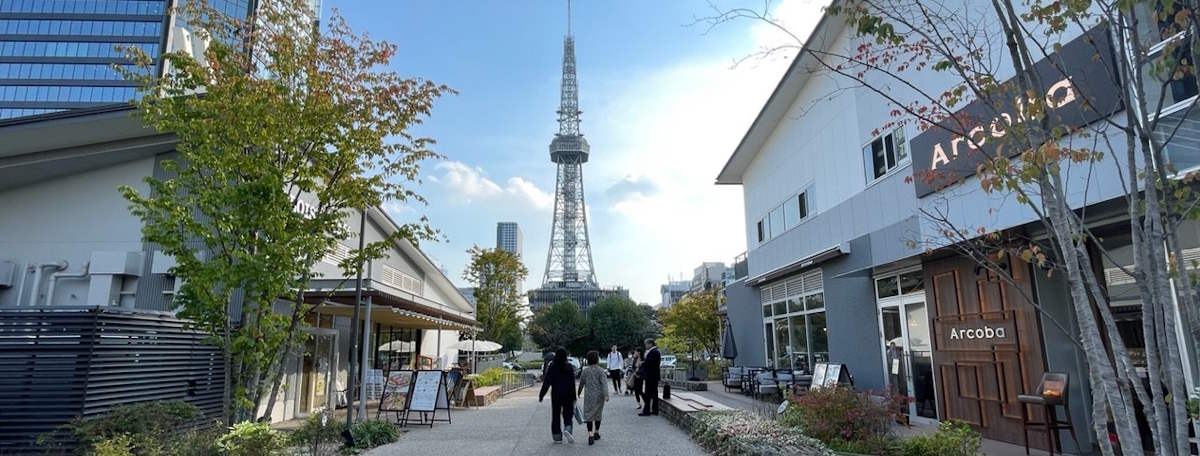
Chubu Electric Power MIRAI TOWER, Oasis 21, and the rebuilt Chunichi Building sit within a district of retail streets, public gathering spaces, and ongoing high-rise development.
Kanayama: performances and station-area events
NTK Hall offers concerts and theater, while Asunal Kanayama's open-air plazas host casual weekend events near the transit hub.
Central Nagoya: Sakae, Fushimi, Osu & Kanayama
Who This Area Is Best For
The strongest fit is for buyers who value city access more than a detached home and private garden.
A good fit if you...
- Want to walk or cycle to errands, restaurants, and shops.
- Value rail access to Nagoya Station or the airport.
- Prefer condominium living to maintaining a detached house.
- Enjoy museums, performance venues, temples, and urban parks.
- Want different neighborhood atmospheres within easy reach.
You may prefer another area if you...
- Need a spacious detached house, garden, or private driveway.
- Expect to drive for most daily trips without substantial parking costs.
- Want quiet, low-density streets away from nightlife and visitor crowds.
- Prefer large suburban shopping centers to urban stores and arcades.
- Want a primarily residential family neighborhood rather than a commercial or business district.
A connected base for city life in Nagoya
Central Nagoya offers an energetic, highly connected urban environment where four distinct neighborhoods provide varied approaches to city life. Whether you are drawn to the dynamic commercial centers of Sakae, the cultural quiet of Fushimi, the eclectic historic alleys of Osu, or the comprehensive transit efficiency of Kanayama, living in the city center places every metropolitan convenience within easy reach.
If a walkable lifestyle, short transit commutes, and modern condominium living align with your long-term plans in Japan, Central Nagoya warrants serious consideration. Exploring currently available properties across these central wards can help you find a condominium or urban home that matches your specific neighborhood preferences and daily routines.
Ready to explore?


 AkiyaHub Team