Tokyo connections, everyday shopping, coastal parks
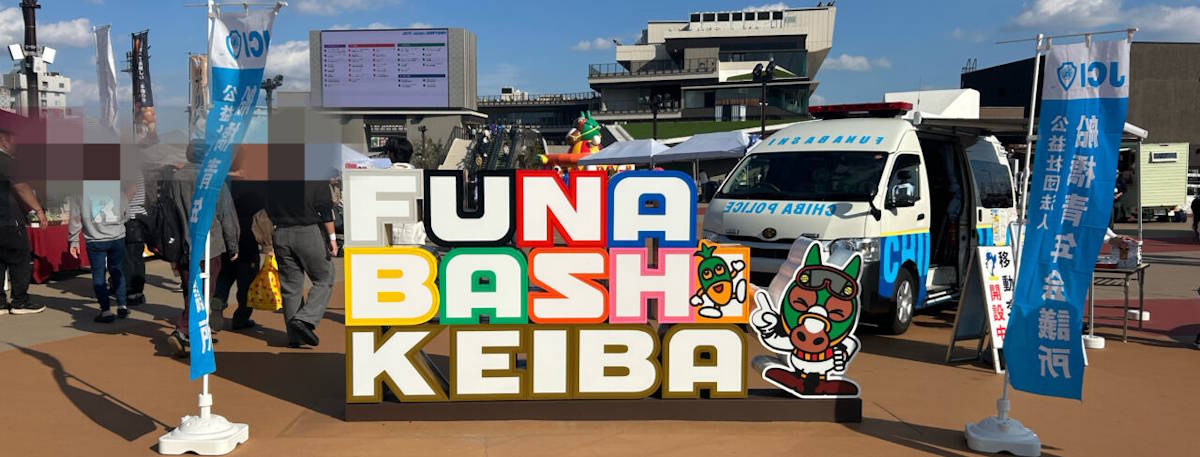
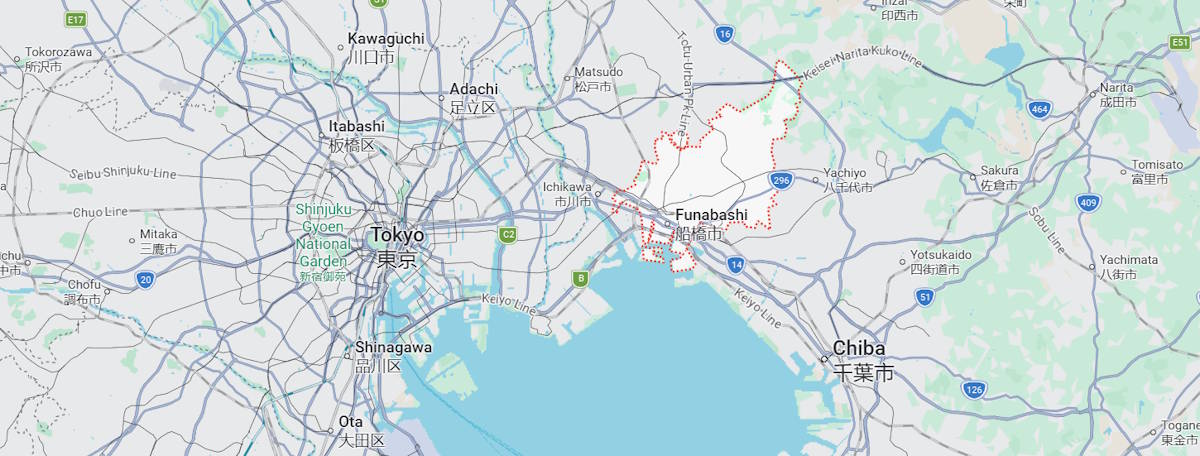
Funabashi City is a major urban center located in northwestern Chiba Prefecture, roughly 20 kilometers from central Tokyo. Home to over 650,000 residents, it balances commercial convenience with coastal and green residential landscapes.
The city serves as a major commuter hub for Tokyo while maintaining a distinct identity anchored by regional agriculture, coastal traditions, and professional sports teams.
Near stations or farther inland?
Main station areas offer shops and rail connections that can support life without a car. Inland detached homes may offer more space, with a bus ride, hills, or a longer walk to the station.
Travel has its tradeoffs
Tokyo connections bring crowded peak-hour trains. A car adds flexibility, but traffic near major roads, railway crossings, and shopping centers can make journey times unpredictable.
Before shortlisting, check the full commute, routes to groceries and healthcare, and municipal hazard maps. Judge the property's location, not just its nearest station.
- Location
- Chiba Prefecture, roughly 20 kilometers east of central Tokyo.
- Transport
- The draft describes nine rail lines and 35 stations serving Tokyo and regional Chiba routes.
- Daily setting
- Major retail centers, coastal parks, and established residential neighborhoods.
- Housing
- Station-side condominiums, planned subdivisions, and detached homes.
- Car needs
- A car can be optional near main stations and useful in northern inland neighborhoods.
- Tokyo connections
- Rail routes connect with Tokyo Station and Otemachi. The useful route depends on the property's station.
- Shopping nearby
- Station malls, department stores, and LaLaport TOKYO-BAY provide local shopping options.
- Family services
- The article describes dependent medical subsidies through age 18, sick-child daycare, and English educational programs.
- Outdoor time
- Andersen Park, Sanbanze Seaside Park, and Ebi River walking trails offer different settings for outings.
- Local food
- Local agriculture and fishing supply vegetables, pears, nori, and shellfish.
- Road congestion
- Rush-hour traffic and weekend shopping trips can delay journeys on major roads.
- Northern slopes
- Areas such as Natsumi and Magomezawa have elevation changes that can make walking and cycling harder.
- Peak-hour trains
- The JR Sobu and Tokyo Metro Tozai corridors can be crowded during morning commutes.
- Cross-city movement
- North-south rail options are more limited. Railway crossings can also slow road journeys.
- Healthcare access
- The article reports lower physician density than the national average. Check nearby providers rather than assuming a major hospital is convenient to every home.
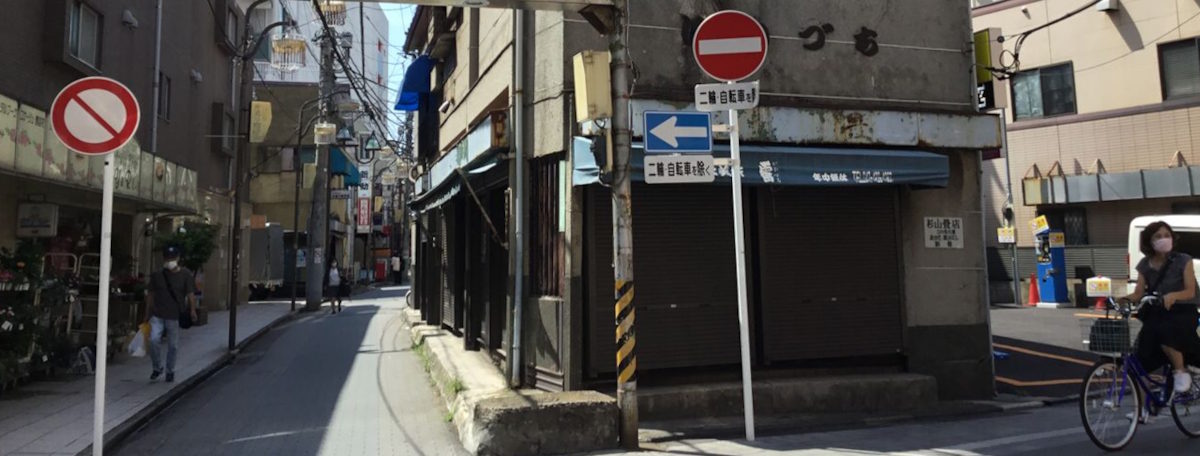
- Funabashi and Nishi-Funabashi stations
- High-rise condominiums and established apartment complexes, including older units and newer tower developments.
- Shin-Funabashi and Tsukada
- Planned developments with modern apartment complexes, wider streets, and mall access.
- Detached-home neighborhoods
- Homes away from main station cores include two- to four-bedroom layouts. Misaki, Oana, and Takanodai include older inland properties.
- Price context in the article
- Detached resale homes are described at ¥20 million to ¥40 million; some older inland homes at ¥10 million to ¥20 million. These ranges are not a valuation of any individual listing.
Check street widths and hazard maps. Lowland river areas require flood awareness; northern neighborhoods may involve slopes.
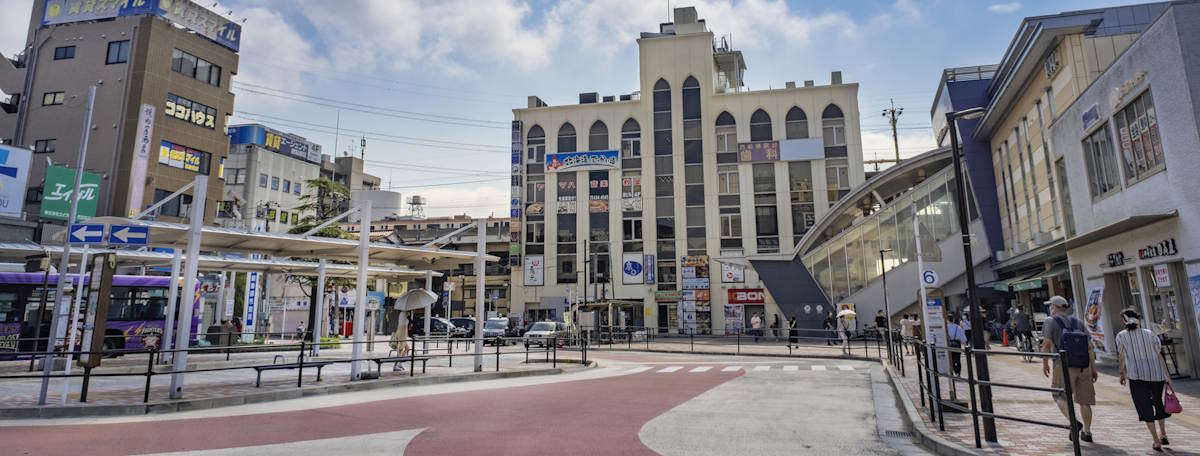
- Groceries and shopping
- Station supermarkets and food halls support everyday errands. LaLaport TOKYO-BAY and Aeon Mall Funabashi offer broader shopping trips.
- Meals and coffee
- Main station streets have coffee chains and casual dining. South of Funabashi Station, restaurants and izakaya serve local seafood and produce.
- Family outings
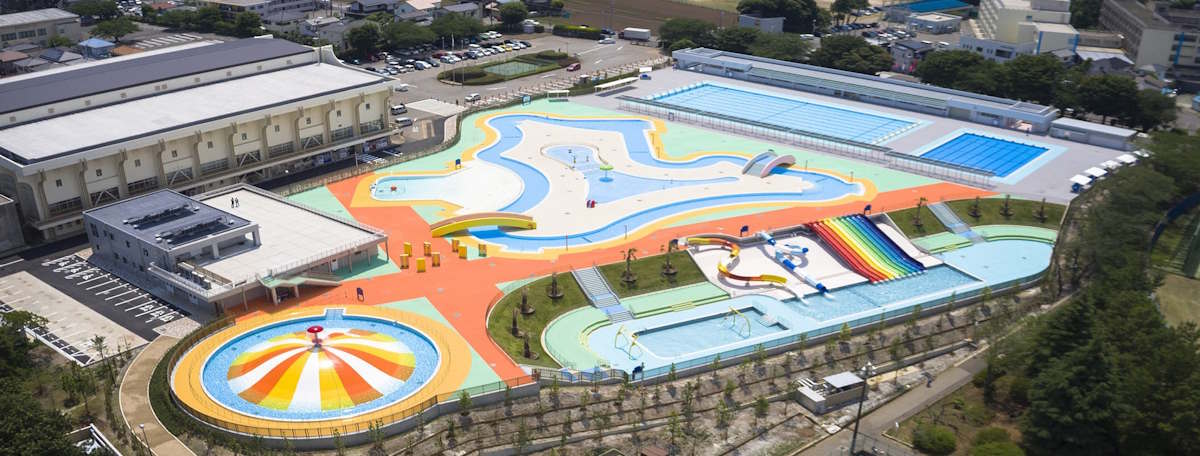
- Options include Fantasy Kids Resort, Amanuma Bentenike Park, and Andersen Park. The city also offers childcare programs, including sick-child care.
- Healthcare
- Station-area clinics include those in Funabashi FACE. Larger facilities include Funabashi Municipal Medical Center and JCHO Funabashi Central Hospital.
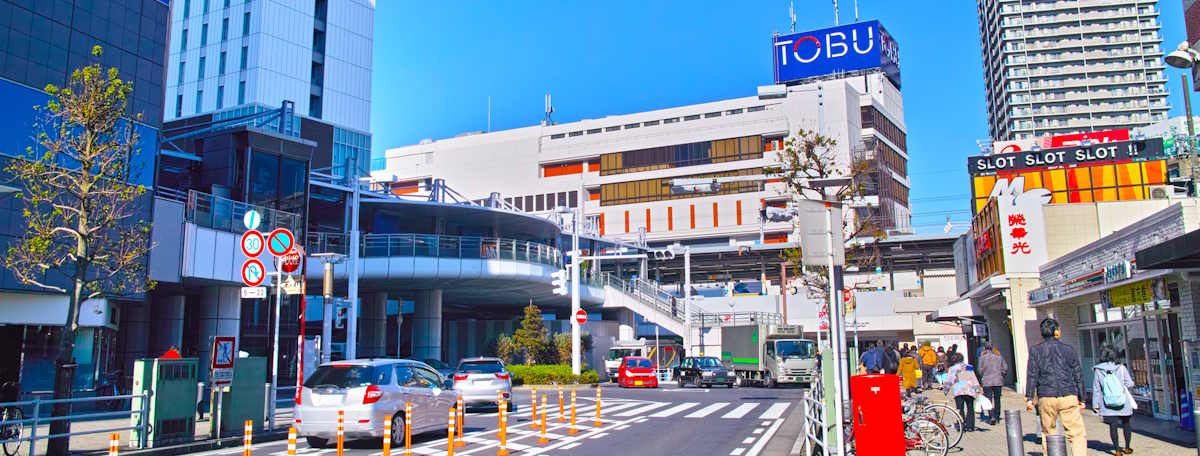
Regional rail journeys
- Funabashi to Tokyo Station: approximately 25 minutes by JR Sobu Rapid Line.
- Funabashi to Akihabara: approximately 30 minutes by local train.
- Nishi-Funabashi to Otemachi: approximately 24 minutes by Tokyo Metro Tozai Line.
- Keisei express connections to Ueno: roughly 30 minutes.
These are the article's rail-time estimates, not door-to-door journey times.
Local daily movement
A home within a short walk of a main station and practical services may work without a car. Outer neighborhoods can depend on buses or vehicles; congestion can delay both.
A car adds flexibility for suburban errands, but Routes 14 and 296, railway crossings, and shopping-center traffic can slow trips. Check the actual walking route, useful bus connections, and service locations before choosing a home.
- Coastal and inland weekends
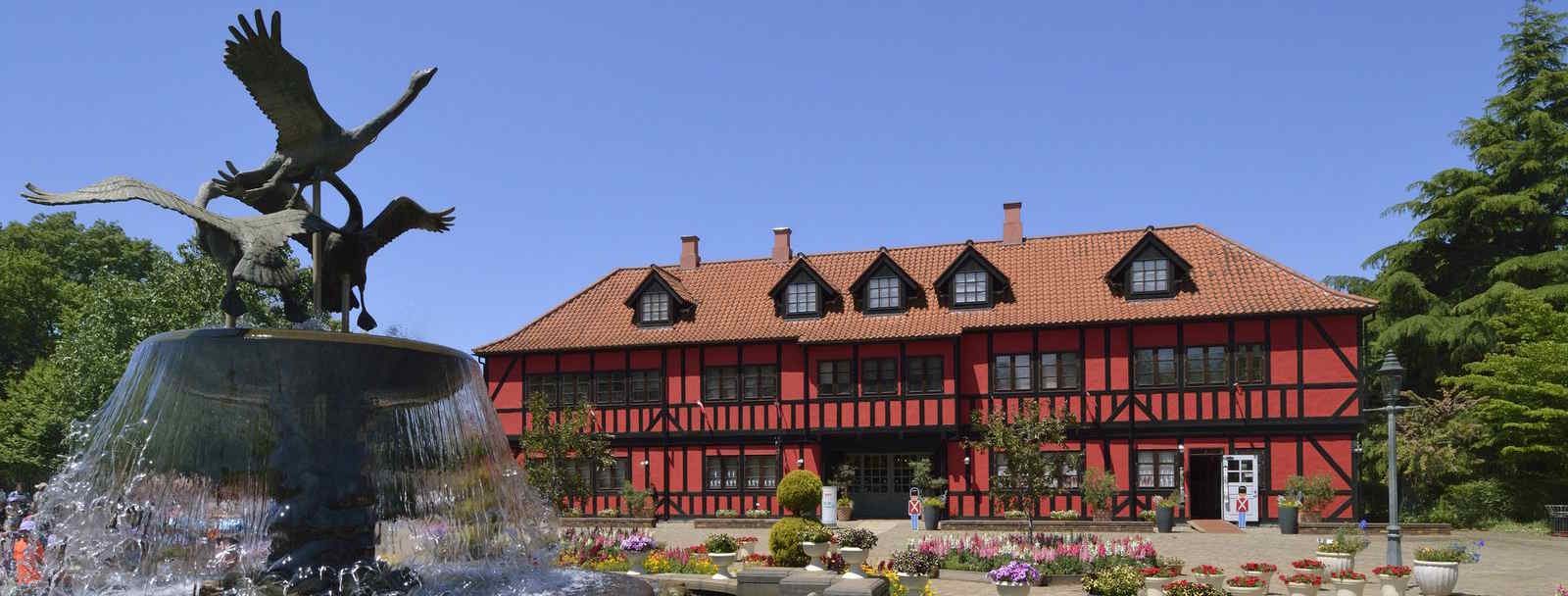
- Sanbanze Seaside Park offers tideland activities and bird watching. Andersen Park has craft workshops, lawns, and Danish windmills.
- Sports
- Local teams named in the article include Chiba Jets Funabashi basketball and Kubota Spears rugby.
- Seasonal routines
- Spring brings cherry blossom walks along the Ebi River. Funabashi Daijingu's autumn festival includes children's sumo.
- Community gatherings
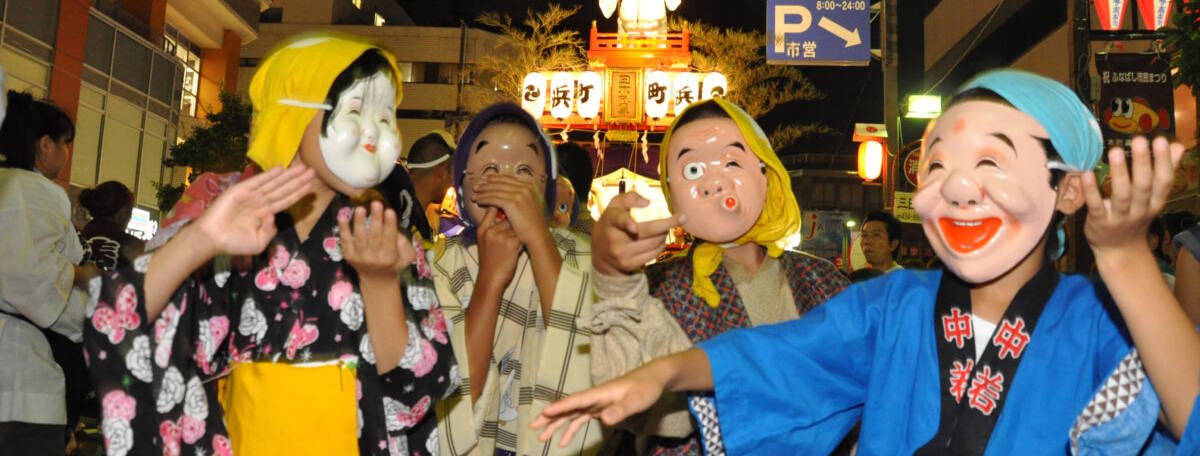
- The article names the Citizens Festival, Komuro Park fireworks, and Otaki Fudosan festival with its traditional Bakamen comic face dance.
A good fit if you...
- Want rail access to central Tokyo.
- Prefer local supermarkets, department stores, and malls.
- Value parks and municipal family services.
- Enjoy coastal outings and inland park visits.
- Want to rely on walking, cycling, and trains from a well-located home.
You may prefer another area if you...
- Need predictable daily driving times.
- Dislike crowded peak-hour trains.
- Require flat walking routes in every neighborhood.
- Want a quiet, low-density countryside setting.
- Need immediate access to a particular specialist or major medical center.
A convenient suburban base near Tokyo
Funabashi City offers a highly functional combination of swift Tokyo transit access, comprehensive commercial infrastructure, and varied outdoor recreation. While daily driving conditions and morning train crowding require careful consideration, the city provides a well-serviced environment for working professionals and growing families seeking a convenient suburban base.
If Funabashi's balance of direct train connections, extensive shopping, coastal parks, and supportive municipal programs aligns with your lifestyle expectations, explore available property listings on AkiyaHub to find homes that suit your needs.
Ready to explore?


 AkiyaHub Team