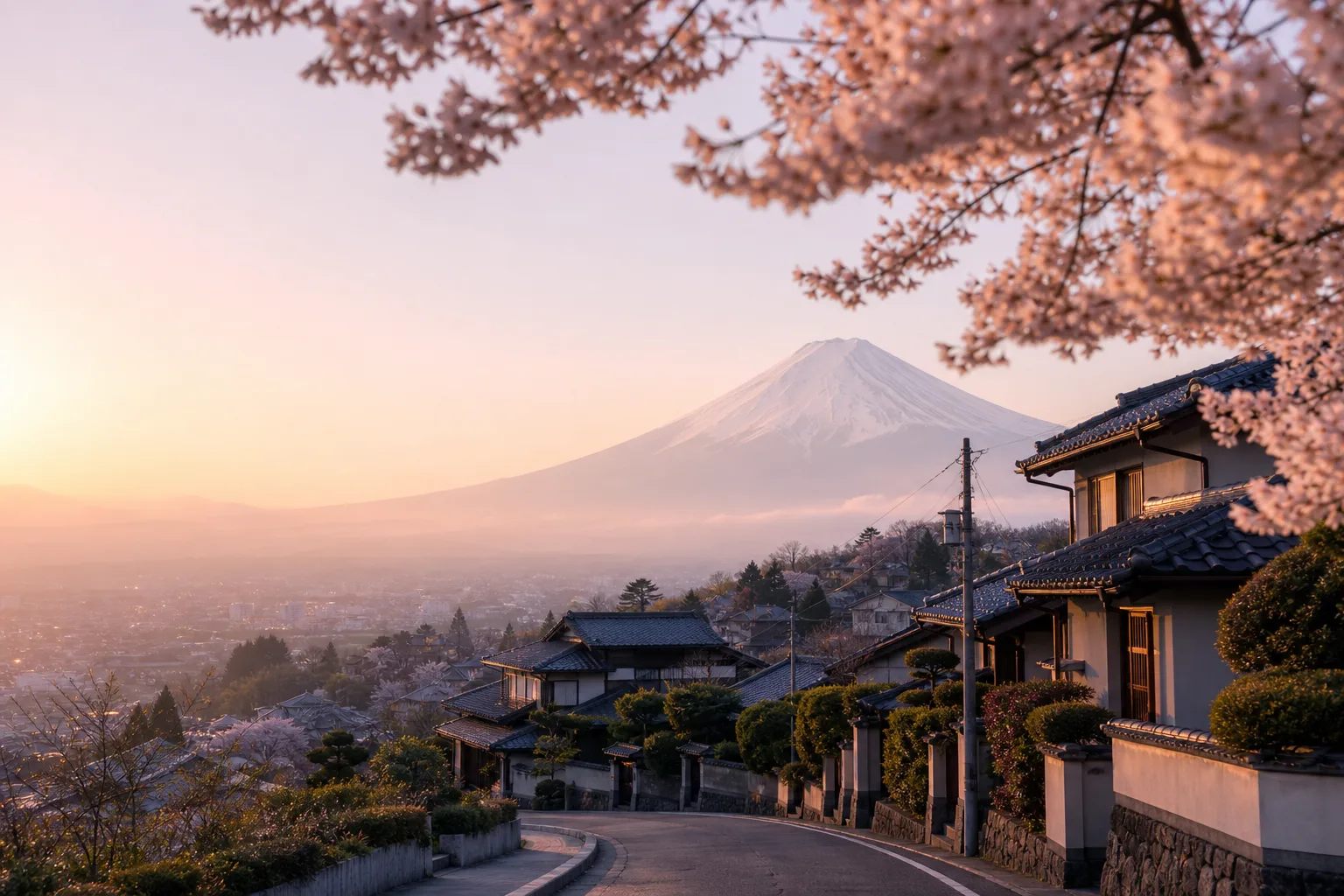
Direct trains, room to spread out, nature nearby
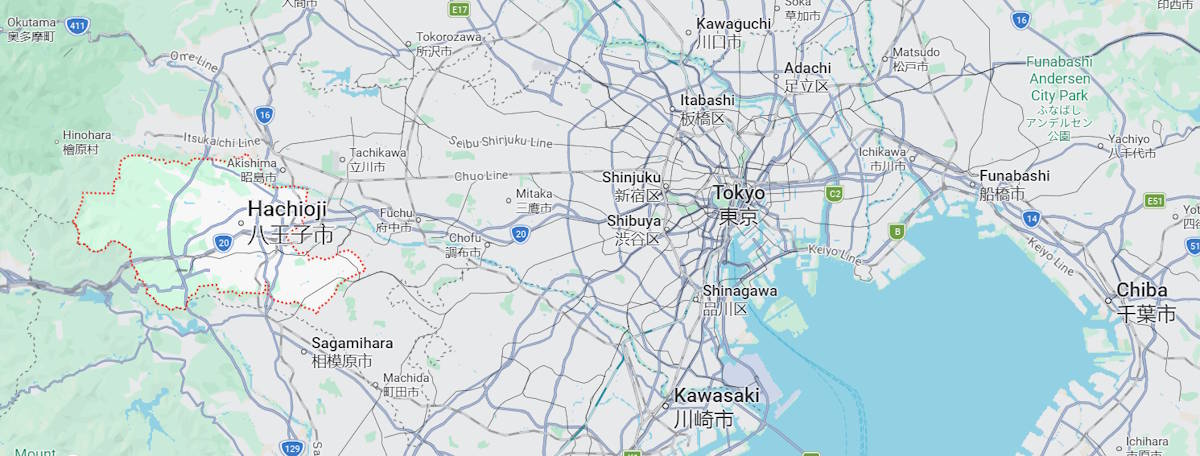
Hachioji City is a major municipal hub located approximately 40 kilometers west of central Tokyo. As the largest city in the Tama region by population, it offers a distinct environment where urban infrastructure meets extensive natural landscapes.
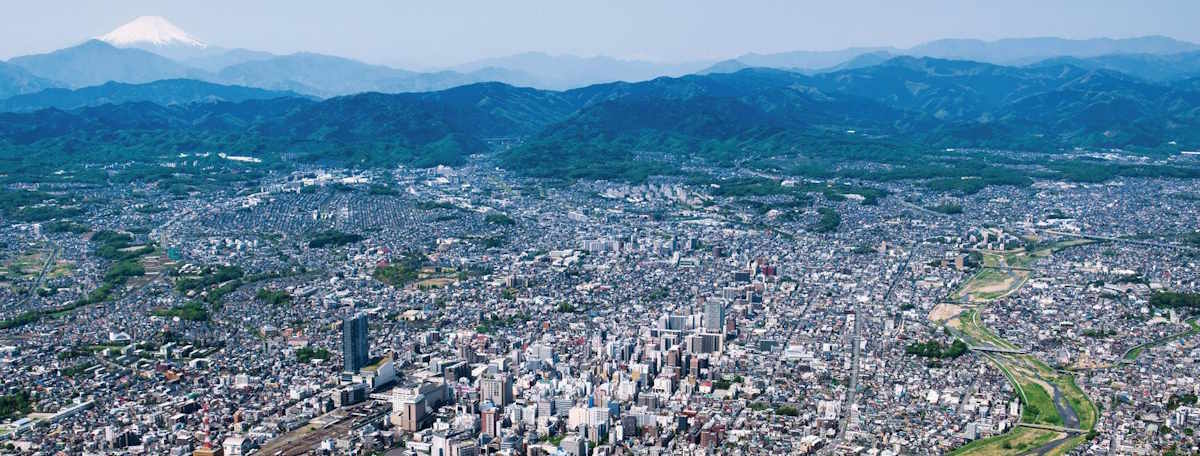
The city center features bustling commercial districts and comprehensive transit links, while the surrounding topography consists of forested mountains, river corridors, and undulating hills.
Station convenience
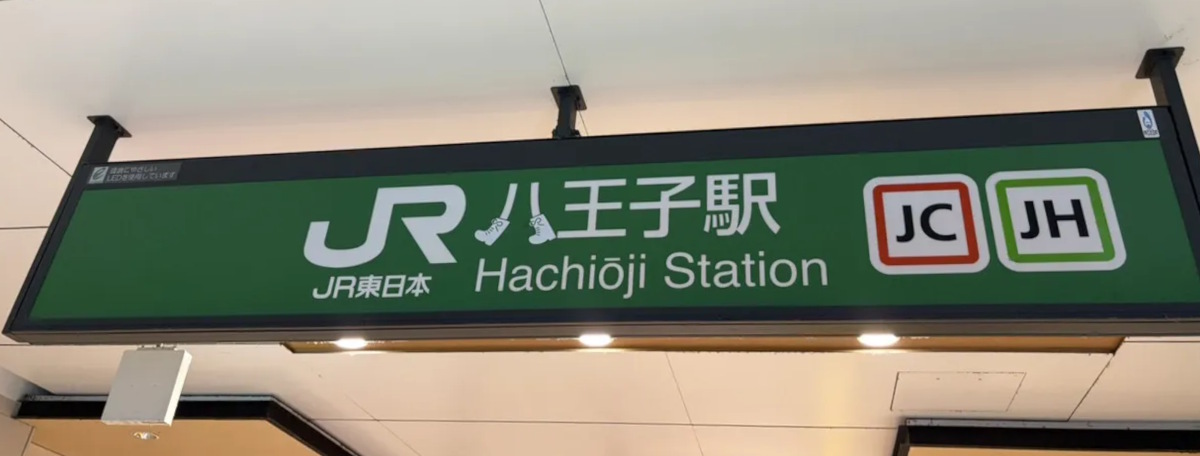
Near JR Hachioji and Keio-Hachioji stations, shopping and rail connections can support daily life without a car.
Space farther out
Outer neighborhoods may offer more outdoor space and a quieter setting. Hills, bus schedules, and longer errands become part of the routine.
Match the location to your stay
A lengthy bus ride matters more for a daily commuter than for someone working from home or visiting for longer stays. Check the full journey to work, the nearest grocery store, and how you would travel in cold or rainy weather.
- Location
- Tokyo Prefecture, approximately 40 kilometers west of central Tokyo.
- Rail connections
- JR Chuo, Yokohama, and Hachiko lines, plus Keio services with direct links to Shinjuku.
- Housing
- Station-area condominiums, suburban detached homes, and older properties with renovation potential.
- Car use
- Optional near central stations; more useful in hilly or outer neighborhoods.
- Local character
- Commercial station hubs, Mount Takao, and a substantial university presence.
Direct trains to Shinjuku
The article describes selected JR Chuo and Keio services at roughly 40 minutes. That is train time, not the full journey from a property.
Outdoor recreation
Mount Takao and the Asa River offer options for hiking, trail walks, and weekend recreation.
Detached-home choices
Some residential neighborhoods offer more land than central Tokyo, with space for gardens and off-street parking.
Shopping, healthcare, and family support
Celeo Hachioji, hospitals, and neighborhood clinics support everyday needs. The draft also identifies child medical subsidies and the Hachioji Neuvola family consultation program.
- Hilly streets
- Slopes in outer residential areas can make walking and ordinary cycling less practical for errands.
- Traffic delays
- Route 16 and Koshu Kaido can be congested during peak periods. Bus journeys can be affected too.
- Uneven transit coverage
- Outer neighborhoods may depend on buses with less frequent off-peak and late-evening service.
- Colder winters
- Inland conditions mean colder weather than coastal Tokyo, greater heating needs, and occasional snow.
- Site-specific hazards
- Check local hazard maps for homes near steep slopes or river corridors, particularly for heavy-rain risks.
Main station areas
Around JR Hachioji and Keio-Hachioji, condominiums include towers such as Southern Sky Tower and established mid-rise buildings.
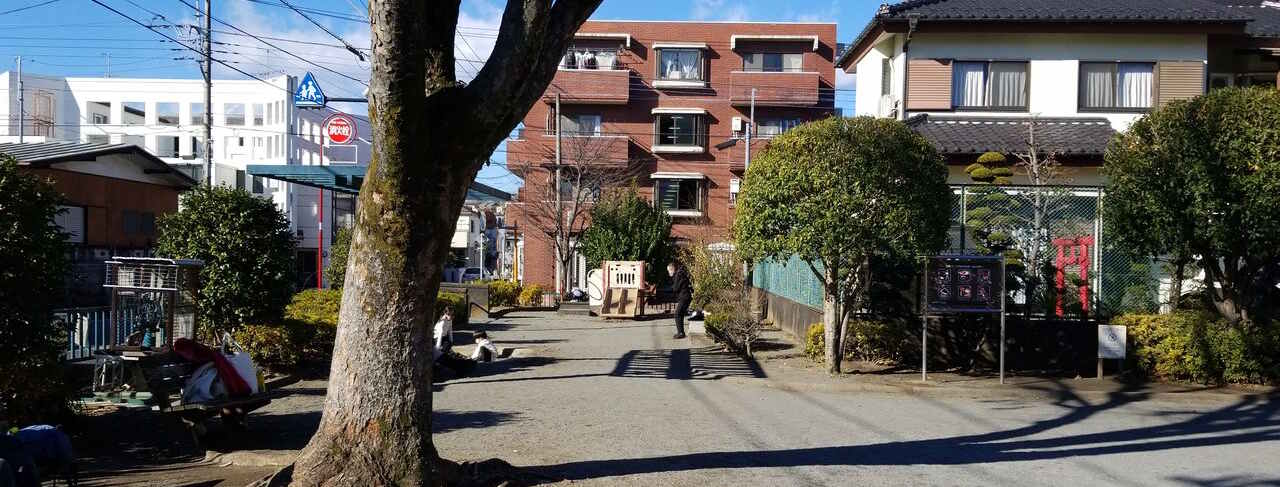
Established suburban neighborhoods
Nagafusamachi, Oyanamachi, Kawaguchimachi, and Motohachiojimachi have detached-home options, including older wooden homes with gardens or parking space.
Older homes and newer developments
Older traditional houses and akiya, vacant homes, may suit restoration plans. Hachioji Minamino and parts of Tama New Town also have newer detached housing.
Compare the neighborhood and property condition together. A larger lot and a newer home answer different buyer needs.
Shopping and errands
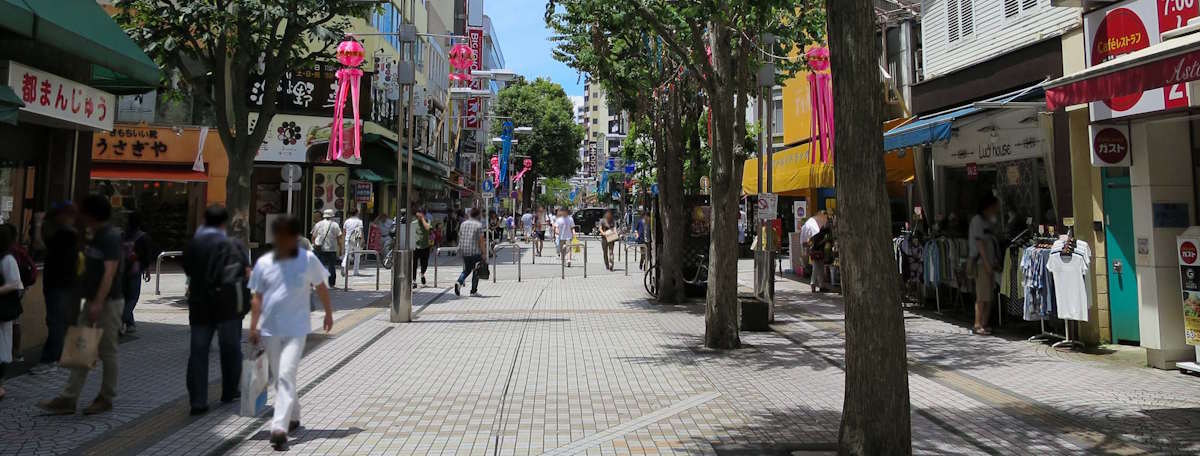
Central station areas have food halls and shopping complexes. Suburban options include Super Alps, Summit, and other supermarkets; Minami-Osawa has Mitsui Outlet Park.
Food and cafes
Hachioji ramen has soy-sauce broth and chopped raw onion. The draft also describes farmhouse curry cafes and Tokyo Farm Village near Yamada Station.
Parks and family outings
Fujimori Park offers sports and playgrounds. Komiya Park has woodland walks, while the Konica Minolta Science Dome provides an indoor outing.
Healthcare and education
Local universities contribute to the student population. Healthcare options include neighborhood clinics, Tokyo Medical University Hachioji Medical Center, and Tokai University Hachioji Hospital.
Regional travel
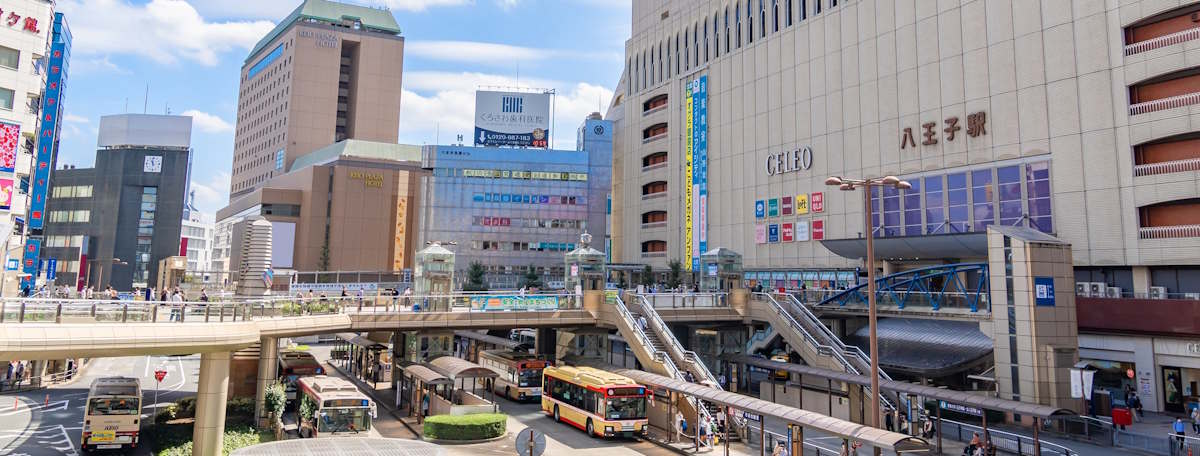
JR Chuo Special Rapid services reach Shinjuku in approximately 40 minutes, with services continuing toward Tokyo Station. JR Yokohama, JR Hachiko, and Keio lines provide other connections.
Local movement near stations
Homes near JR Hachioji, Keio-Hachioji, or Nishi-Hachioji can support walking and public transport. A well-located home may work for stays without a car; central parking can be limited and costly.
Outer neighborhoods
Buses connect residential areas to stations, but traffic can delay them. A car adds flexibility where services are farther apart. Electric-assist bicycles can help with hills.
Road connections
The Chuo and Ken-O expressways support regional driving. Route 16 and Koshu Kaido can be slow during busy periods.
For each property, check the station route and access to groceries. Central rail access does not describe every neighborhood equally.
Post-town and silk history
Hachioji developed along Koshu Kaido and through silk textile production. Places to explore include Hachioji Castle ruins, Silk Road walking paths, and Takao-san Yakuoin Temple.
Seasonal rhythm
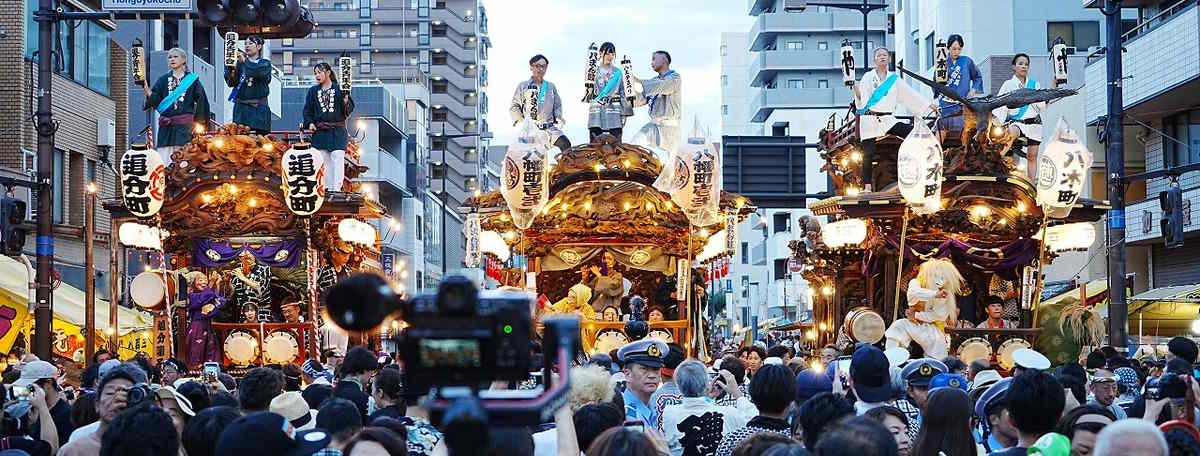
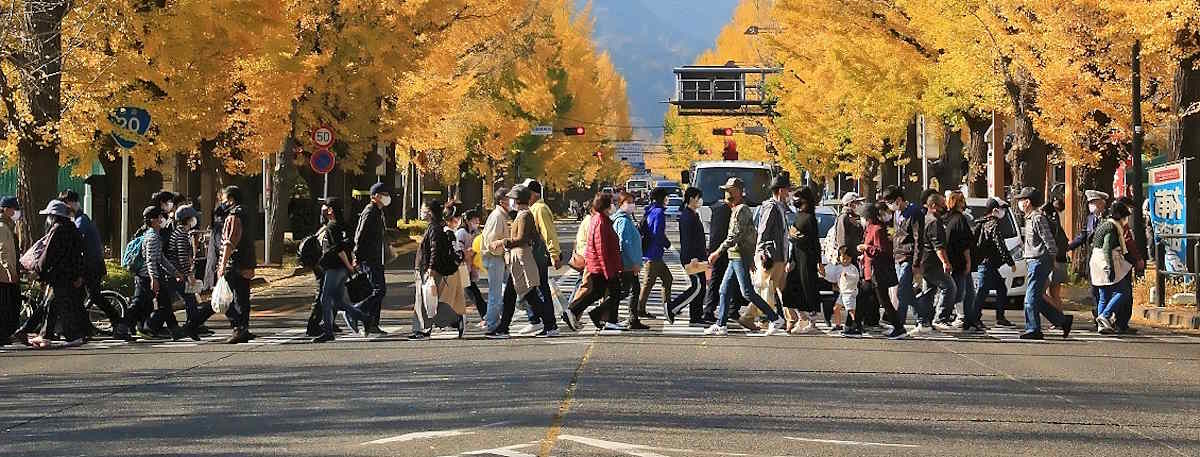
Spring brings the Takao Plum Blossom Festival. Hachioji Matsuri takes place in early August, followed by the Hachioji Ginkgo Festival in autumn.
Ordinary weekends
Options include Mount Takao hikes or cable-car trips, family outings at Yuyake Koyake Fureai no Sato, produce shopping at Michi-no-Eki Hachioji Takiyama, and visits to Tokyo Fuji Art Museum or You Road.
A good fit if you...
- Want direct trains to central Tokyo and can choose a property with suitable station access.
- Prefer detached homes and more outdoor space than inner-city wards typically offer.
- Value hiking, river parks, and mountain recreation.
- Want established family services and educational institutions nearby.
- Are considering an older home or akiya with renovation potential.
You may prefer another area if you...
- Need consistently flat streets for walking or cycling.
- Want a suburban home but expect to handle every errand on foot.
- Want to avoid peak-hour road traffic.
- Prefer milder winters without inland frost or occasional snow.
- Expect late-night dining and active nightlife immediately outside your home.
A practical base in western Tokyo
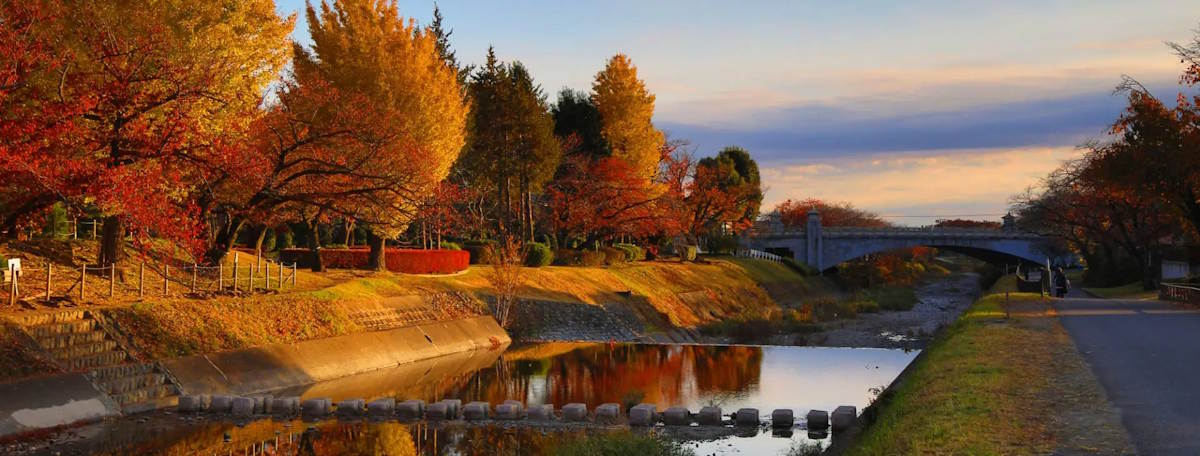
Hachioji offers a practical alternative for home buyers seeking space, access to nature, and established city amenities within Tokyo Prefecture. Its distinct combination of express transit connections, university-town energy, and mountain-valley geography creates a versatile environment for families, commuters, and outdoor enthusiasts alike.
If the balance between urban convenience and natural recreation matches your lifestyle priorities, exploring real estate options in Hachioji is a logical next step. Browse current property listings on AkiyaHub to examine available detached homes, vacant akiya properties, and station-area condominiums across the municipality’s varied neighborhoods.
Ready to explore?


 AkiyaHub Team