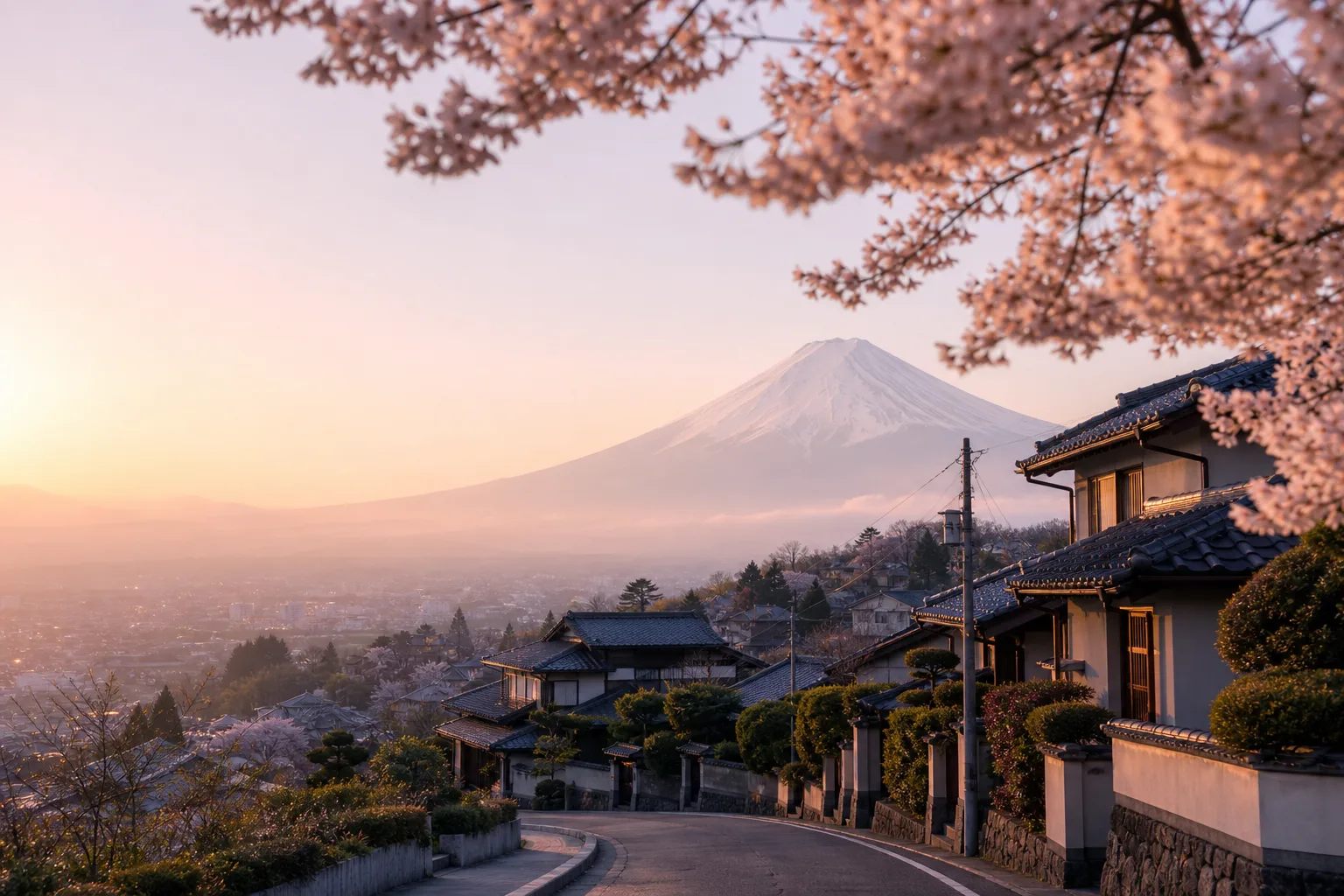
Kamakura City, located in Kanagawa Prefecture, sits directly on Sagami Bay and is framed on three sides by steep, wooded hills. Situated roughly one hour south of Tokyo and thirty minutes from Yokohama, this historic municipality served as the seat of Japan’s medieval samurai government during the Kamakura shogunate.
Today, it offers a distinct living environment where coastal recreation, preserved mountain scenery, and centuries of Japanese history intersect with modern daily life.
KAMAKURA, KANAGAWA
The Kamakura Tradeoff
The best fit depends on how you balance access, setting, maintenance, and daily convenience.
Near the station
Convenience and walkable daily life
A home near Kamakura Station can make train travel, shops, and everyday errands easier. It also places you closer to the city's busier central areas.
In the valleys
More greenery, with more practical friction
Quieter valley properties can offer space and a stronger sense of privacy. They may also involve steeper roads, higher humidity, and less convenient access to groceries, parking, and transit.
Along the coast
Beach access comes with its own ownership demands
Coastal neighborhoods offer easy access to the beach and a relaxed atmosphere. Salt air, seasonal traffic, and higher prices can become part of the ownership picture.
KAMAKURA, KANAGAWA
At a Glance
A coastal city with direct rail access, varied terrain, and distinct neighborhood roles.
Prefecture
Kanagawa Prefecture
Nearby cities
Yokohama is about 30 minutes by train. Tokyo is about one hour away.
Transport
JR Yokosuka and Shonan-Shinjuku lines, Enoden, Shonan Monorail, and local buses.
Daily setting
Coastal recreation, wooded hills, local food, and historic surroundings shape daily life.
Housing
Detached wooden homes in valleys, coastal apartments, and older homes that may suit renovation.
Car use
Often unnecessary near stations and bus routes, but useful in hilly or interior neighborhoods.
KAMAKURA, KANAGAWA
Why Buyers Like This Area
The appeal is practical as well as scenic, especially for buyers who value rail access and time outdoors.
Setting
Beach, hills, and green space close to home
Many residential areas sit close to Sagami Bay and wooded hills, with beaches, hiking trails, and oceanfront parks available for regular use.
Connections
A workable rail link to Yokohama and Tokyo
The JR Yokosuka and Shonan-Shinjuku lines connect Kamakura with Yokohama in about 30 minutes and Tokyo or Shinjuku in roughly one hour.
Food and daily rituals
Independent places sit alongside local produce and seafood
Renbai, local shirasu seafood, and cafes around streets such as Onari-dori give residents options beyond the tourist areas.
Character
Historic places remain part of the neighborhood fabric
Tsurugaoka Hachimangu Shrine and the Great Buddha at Kotoku-in are part of everyday Kamakura rather than separate destinations.
Household priorities
A calmer residential setting for some families
The city has lower recorded crime rates than many urban centers in Kanagawa, along with public and private school options.
KAMAKURA, KANAGAWA
Things to Consider
Terrain, tourism, weather, and location-specific hazards affect how a property works day to day.
Weekend traffic can change the value of a car
Route 134 and central streets can become heavily congested during tourist seasons and weekends, making routine driving slower and less convenient.
Coastal and valley conditions need different maintenance plans
Salt air can affect bicycles and air conditioning units near the coast. Yato valleys can hold humidity and bring seasonal insects.
Street access varies sharply by neighborhood
Some hillside districts have narrow roads, steep slopes, or stone steps that make walking, cycling, parking, and service access more difficult.
Central convenience can cost more
Housing, dining, and groceries tend to cost more near central tourist areas. Ofuna can offer more practical shopping and lower daily costs.
Hazard checks are property-specific
Properties in narrow valleys or close to the coastline need careful review because some areas fall within landslide or tsunami hazard zones.
KAMAKURA, KANAGAWA
Housing You'll Find Here
Housing type, age, access, and building constraints vary with the terrain and neighborhood.
Central and northern valleys
Older wooden homes and irregular hillside lots
Central Kamakura and northern yato valleys include traditional wooden houses, newer builds, and older homes that may appeal to renovation-minded buyers.
Coastal neighborhoods
Homes and low-rise apartments near the water
Yuigahama and Shichirigahama have single-family homes, surf cottages, and low-rise apartment buildings that make the most of coastal views.
Ofuna
Modern development near a major transit hub
Ofuna has newer residential development and mid-rise condominiums for buyers who want easier access to transit and lower-maintenance living.
Building constraints
Scenic Zone rules can affect renovation plans
Some areas have restrictions on building height, exterior colors, and lot coverage. These rules can shape plans to rebuild, extend, or substantially alter a home.
KAMAKURA, KANAGAWA
Everyday Life
Daily convenience depends on whether you live near central Kamakura, coastal neighborhoods, or Ofuna.
Groceries and errands
Central shops for specialty items, Ofuna for practical range
Near Kamakura Station, residents use stores such as Tokyu Store, Motomachi Union, and Kinokuniya. Renbai supplies local produce, while Ofuna offers shopping streets, department stores, and lower-priced daily necessities.
Food and social life
The experience changes a block away from tourist streets
Komachi-dori is busier and tourist-focused. Onari-dori has quieter cafes, bakeries, and small restaurants. Yuigahama and Zaimokuza bring beachside dining into the mix.
Parks and health care
Green space is easy to find, with clinics near stations
Genjiyama Park and Kamakura Seaside Park offer different kinds of outdoor space. Residents also have neighborhood clinics and Shonan Kamakura General Hospital for broader medical care.
Family and household needs
Schools and larger stores are spread across the city
Kamakura has public, private, and national school options. Retail development around Kajiwara adds supermarkets and home improvement stores for nearby neighborhoods.
KAMAKURA, KANAGAWA
Getting Around
A property's station, bus access, slope, and parking situation matter more than a city-wide transport label.
Regional travel
Rail anchors travel to Yokohama and Tokyo
Kamakura and Kita-Kamakura stations connect to Yokohama in about 30 minutes and to Tokyo, Shinagawa, or Shinjuku in about one hour. Ofuna adds major connections via the JR Tokaido and Negishi lines.
Local movement
Enoden, monorail, buses, and walking cover different areas
The Enoden follows the coast toward Fujisawa. The Shonan Monorail links Ofuna with coastal districts, while buses serve residential areas farther from rail lines.
When a car is optional
A home near a station or useful bus route can work without a car for commuting and many daily needs. Walking and cycling suit short trips, although steep hills and narrow lanes can limit both.
When a car adds flexibility
A car or scooter can help in remote interior valleys and for trips to larger suburban stores. Near major stations, parking can be limited and costs are listed at about 15,000 to 33,000 yen per month.
KAMAKURA, KANAGAWA
Lifestyle and Local Character
Kamakura combines temple-town history with a coastal routine that changes with the seasons.
Historic setting
A former political center with living cultural landmarks
Kamakura became Japan's political center in 1192 under Minamoto no Yoritomo. Tsurugaoka Hachimangu Shrine, the Great Buddha at Kotoku-in, and Hasedera Temple remain part of the city's everyday setting.
Seasonal rhythm
Temple foliage, cherry blossoms, and local events
Autumn color and spring blossoms shape the annual rhythm. September's Tsurugaoka Hachimangu Reitaisai includes yabusame, and Kamando Ichiba brings local markets twice each year.
Weekend life
Outdoor routines sit close to ordinary errands
Residents can walk Yuigahama, surf near Shichirigahama, hike Genjiyama Park, or watch the sunset from Inamuragasaki. Bakeries, morning produce shopping, and neighborhood cafes fill in the quieter parts of the day.
KAMAKURA, KANAGAWA
Who This Area Is Best For
The strongest fit depends on how much you value nature, rail access, historic character, and ease of daily movement.
A good fit if you...
Want beaches, hiking trails, and green hills close to home.
Value historic architecture, shrines, and a strong local identity.
Work remotely or can use direct JR links to Yokohama or Tokyo.
Enjoy farmers' markets, local food, and independent cafes.
Want a quieter residential setting with school options.
You may prefer another area if you...
Need to drive every day and want to avoid narrow roads and seasonal traffic.
Prefer high-rise living in a dense urban core.
Need lower housing, dining, and grocery costs.
Would rather avoid salt air, humidity, and seasonal insects.
Need flat terrain with easy pedestrian access.
A Coastal Base with Everyday Convenience
Kamakura presents a distinct living environment where historical heritage, mountain valleys, and Sagami Bay converge into an active, nature-focused lifestyle. Whether you are drawn to the vibrant coastal energy of Yuigahama, the quiet temple surroundings of Kita-Kamakura, or the practical convenience of Ofuna, the city offers diverse options for buyers seeking a change from dense metropolis living.
If Kamakura’s blend of outdoor recreation, local food culture, and rail connectivity fits your lifestyle preferences, exploring available homes across its distinct neighborhoods is the next logical step. Reviewing local listings can help you evaluate housing styles, property sizes, and locations to find the ideal match for your daily routine in Japan.
Ready to explore?
👉 How to Find Your Dream Property in Japan: Learn how to explore regions, compare value, and confidently discover standout homes using AkiyaHub’s most powerful search approach.
👉 Join the AkiyaHub community: Learn from real buyers, ask questions freely, and move forward with confidence as you explore owning a home in Japan.
Your next step · about 2 minutes
You know Kanagawa now. See how it compares for your budget.
Answer 11 quick questions. Your free Snapshot compares Kanagawa with every other area your budget can reach, shows how many listings match today, and what to adjust to unlock more options.


 AkiyaHub Team