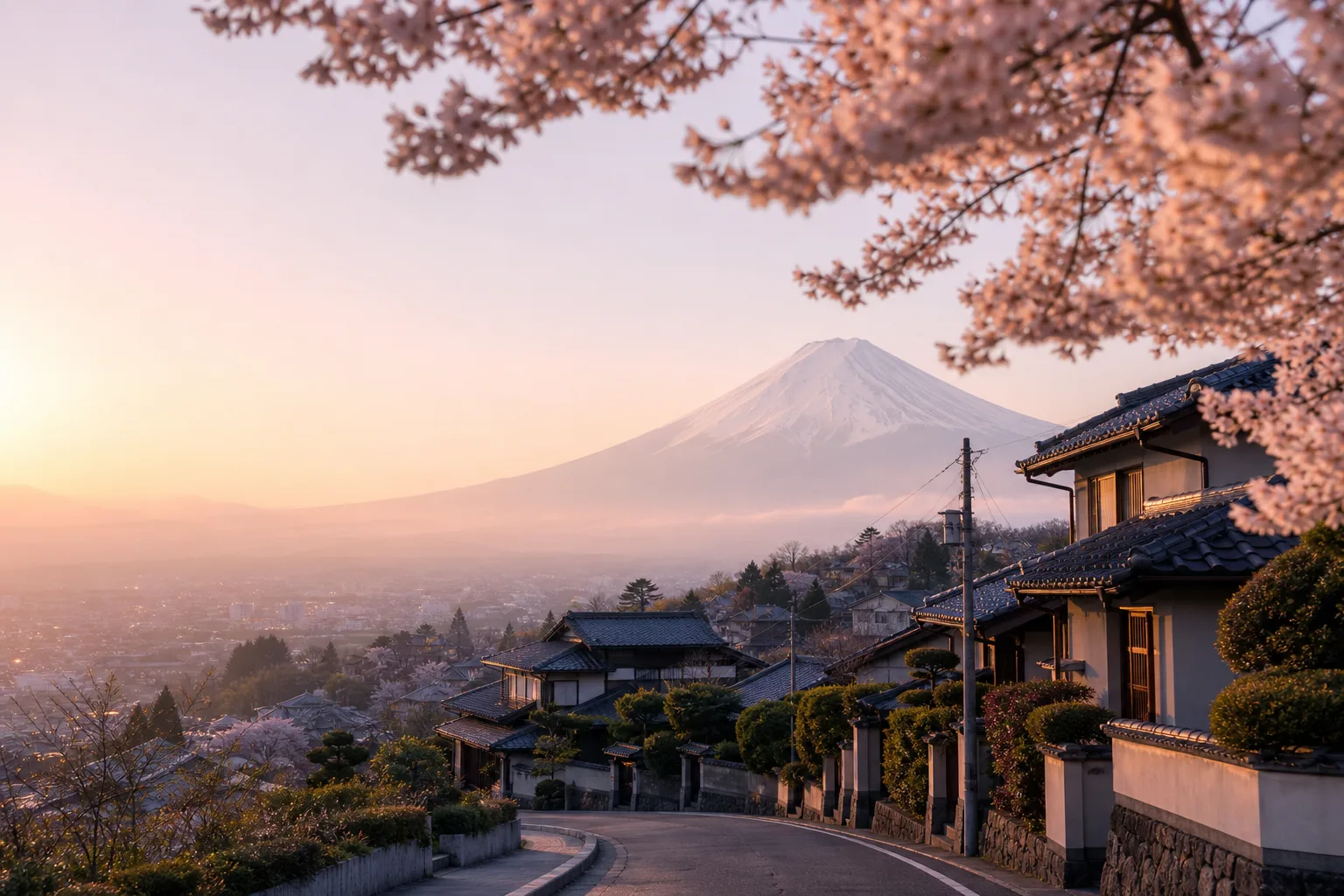
Tokyo Connections, Room to Grow, Lakes and Mountains
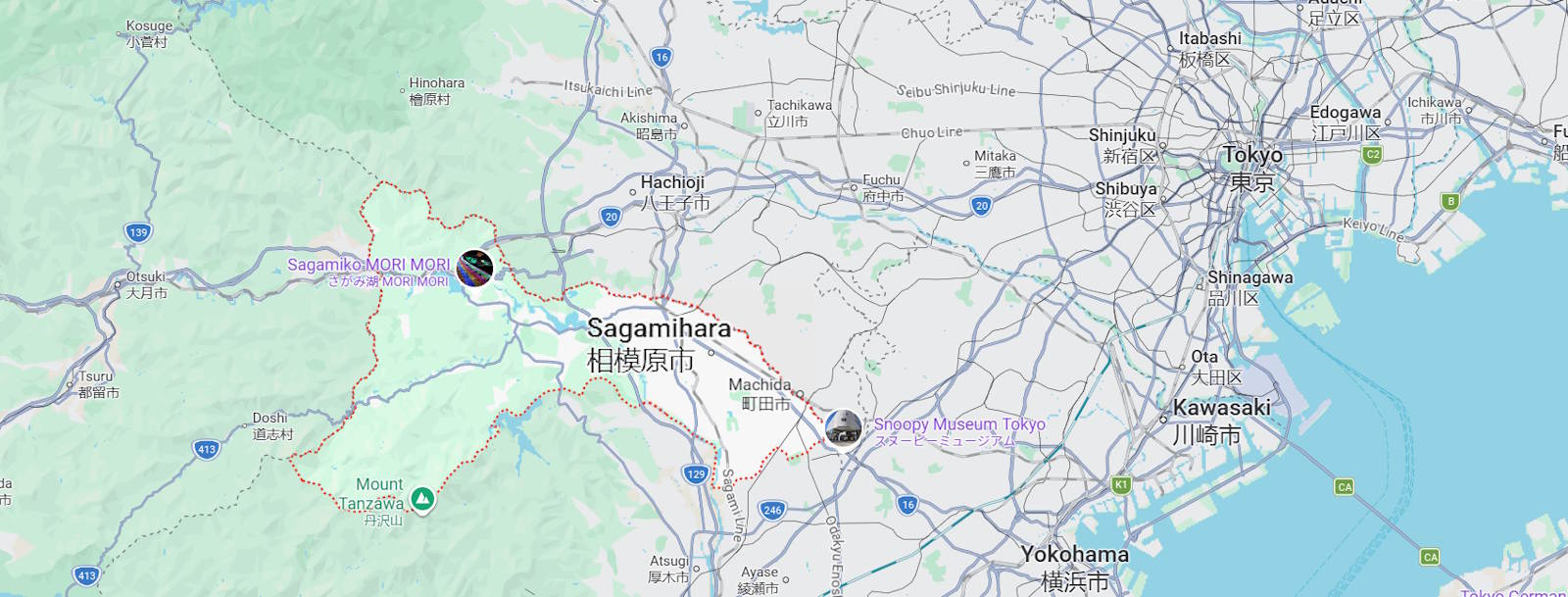
Sagamihara is a designated city in northern Kanagawa Prefecture that balances dense urban convenience with expansive natural landscapes. Covering three distinct administrative wards—Midori, Chuo, and Minami—the city stretches from thriving commercial transit hubs in the east to forested mountains, lakes, and river valleys in the west.
Roughly two-thirds of the city's total land area consists of woodlands and waterways, giving it a greener, more open character than neighboring urban centers.
Near the main stations
Around Sagami-Ono and Hashimoto, rail access, shops, and everyday services can anchor your routine.
Farther west
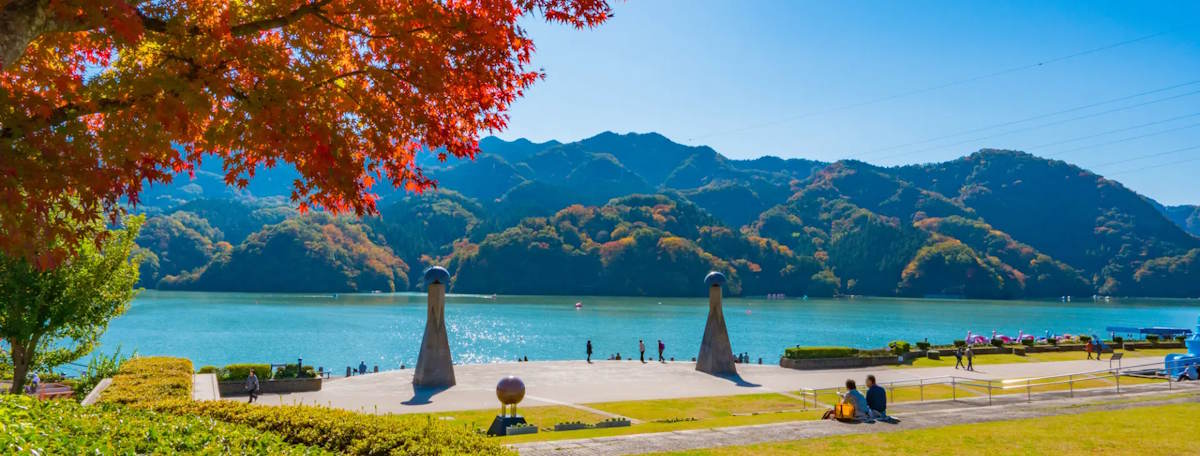
Tsukui, Lake Sagami, and Fujino offer more space and countryside surroundings. Errands and station trips may depend on driving or a bus timetable.
Before narrowing your search, decide how often you need Tokyo or Yokohama access, whether you are comfortable driving, and how close you want shops and healthcare to be.
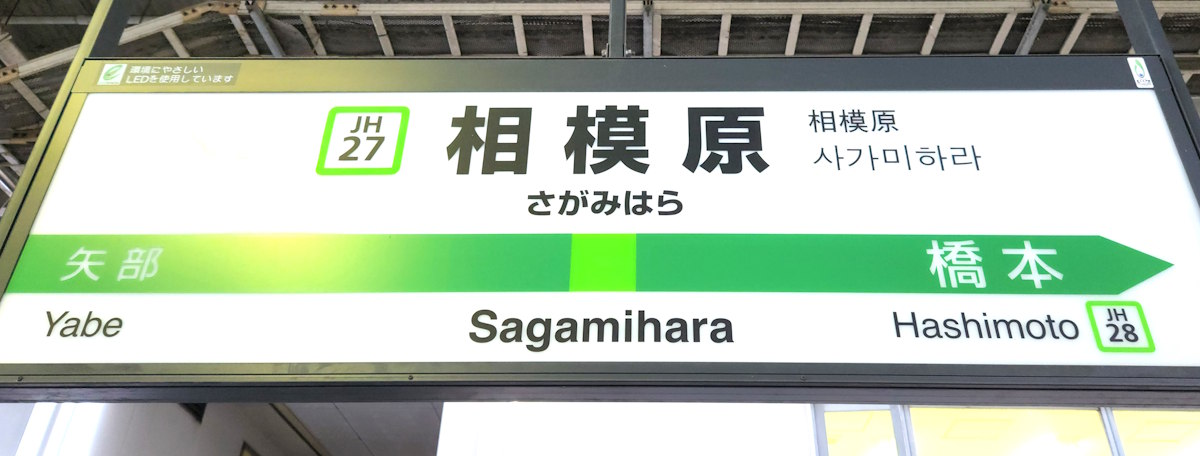
- Location
- Northern Kanagawa, within the greater Tokyo metropolitan area.
- Regional connections
- Odakyu, Keio Sagamihara, JR Yokohama, and JR Sagami rail corridors, plus Ken-O Expressway access. Journey times depend on your station and destination.
- Housing and setting
- Detached homes and condominiums near eastern rail corridors; older houses and larger rural plots in the western hills.
- Car needs
- Walking and public transport can work near major stations. Western hills and outlying neighborhoods are more car-dependent.
- Distinctive geography
- Roughly two-thirds of the city consists of woodlands and waterways. Hashimoto is also the location of a planned maglev terminal.
Connected station neighborhoods
Sagami-Ono and Hashimoto offer rail connections toward Tokyo, with Yokohama access along the city's rail network.
Outdoor options
Mount Jinba hiking trails, Lake Sagami boating, and regional parks give you several ways to spend time outdoors.
Family and healthcare services
Children's activity centers and municipal medical subsidies support family life. Kitasato University Hospital provides specialized regional care, while JAXA adds a major research presence.
Planned development at Hashimoto
The planned Linear Chuo Shinkansen terminal and surrounding redevelopment are part of the area's future transport plans.
- Distance from transport
- Western and outlying neighborhoods can have infrequent buses. A home near a major station offers a different level of independence without a car.
- Road congestion
- Route 16 has daily congestion. Weekend and holiday traffic can slow western routes toward Lake Sagami, Yamanashi, and the Kobotoke Tunnel.
- Slopes and walking routes
- The central plateau is relatively flat, but river terrace edges can mean steep climbs between home, shops, and stations.
- Travel time
- Trips into central Tokyo or downtown Yokohama can take roughly 35 to 55 minutes, depending on the route and transfers. Check the journey from the property itself.
- Evening atmosphere
- Sagamihara is generally suburban in pace. Busy daytime shopping areas do not necessarily offer an active late-night scene.
Major station areas
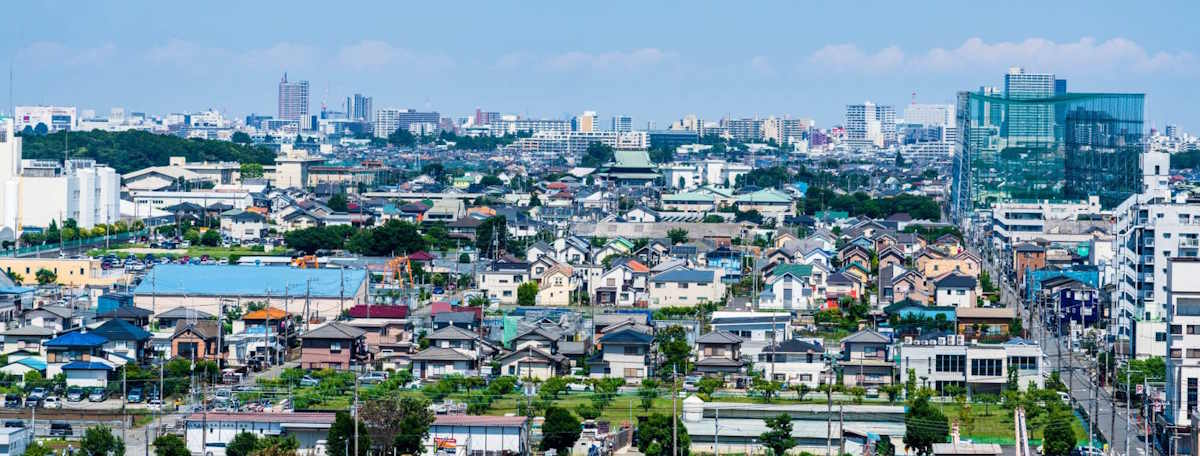
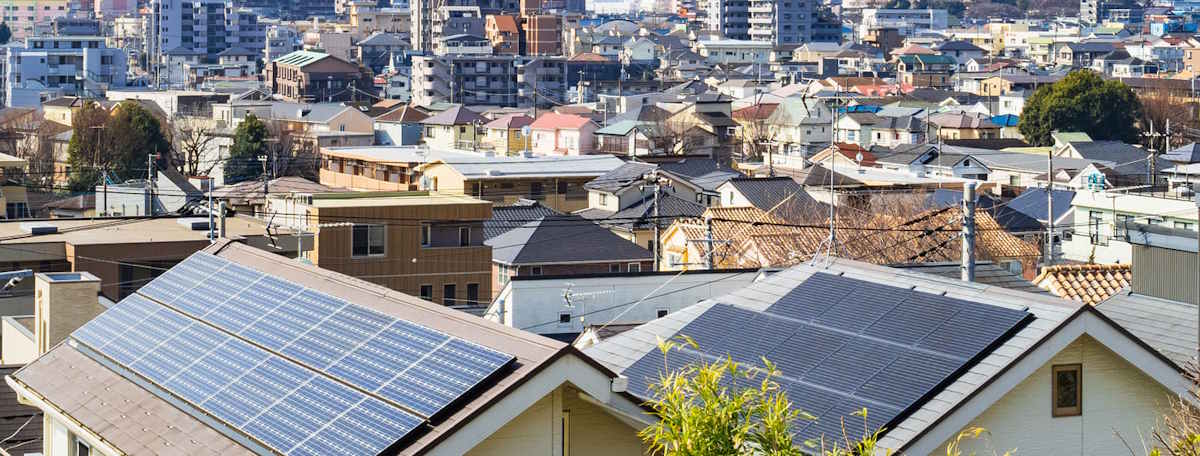
Condominiums cluster around Sagami-Ono, Hashimoto, and Sagamihara stations. Surrounding residential streets have detached homes, including two-story houses with parking and family-sized layouts.
Western Midori Ward
Around Lake Sagami, Tsukui, and Fujino, older detached homes and broader plots can suit buyers who want garden, workshop, or studio space.
Older homes and site conditions
The municipal akiya bank supports vacant-home reuse. Purchase and improvement subsidies depend on eligibility. Check local hazard maps for valley flooding and hillside sediment risks.
Match the property to your intended use: convenient station access and extra land usually lead to different search areas.
Shopping and food
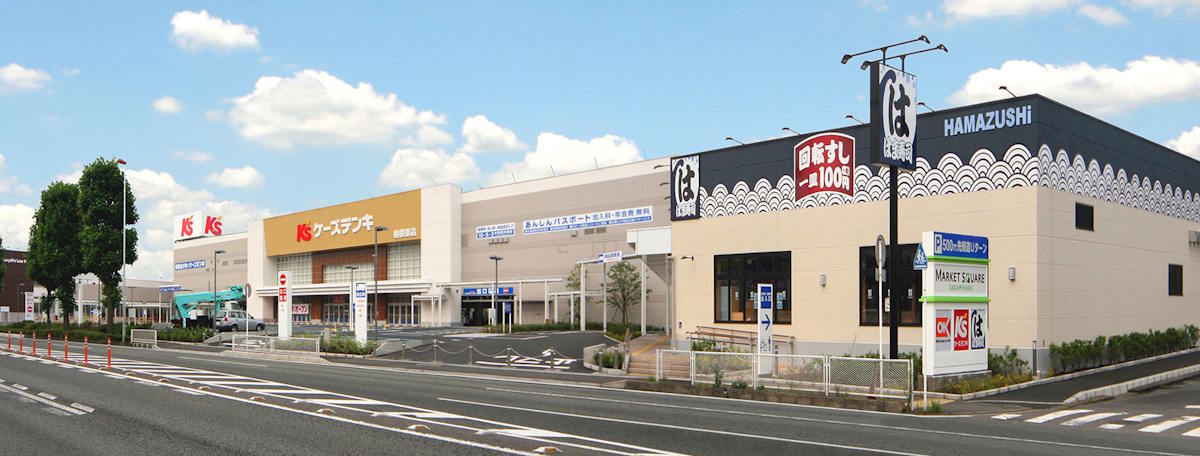
Station Square and Ario Hashimoto bring shops and dining together. Supermarkets and neighborhood shopping streets such as Nishimon and Ono Ginza serve routine needs. Station districts have chain restaurants, while neighborhood streets offer cafés and ramen shops.
Parks and family activities
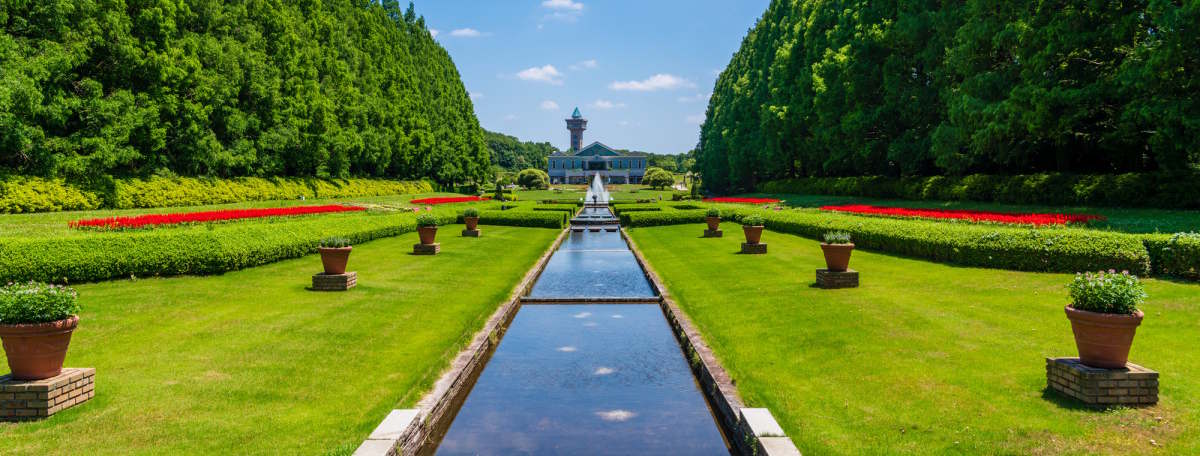
Sagamihara Park, Sagamihara Asamizo Park, and Sagamihara Kita Park offer lawns, play areas, and botanical displays. Neighborhood children's centers and community halls provide indoor options.
Healthcare and childcare
Kitasato University Hospital provides specialized care alongside neighborhood clinics and dental practices. Municipal family support includes children's medical subsidies and school lunch subsidies.
Sagamihara, Kanagawa
Getting Around
Your station, walking route, and nearby services determine how practical a stay without a car will be.
Regional rail travel
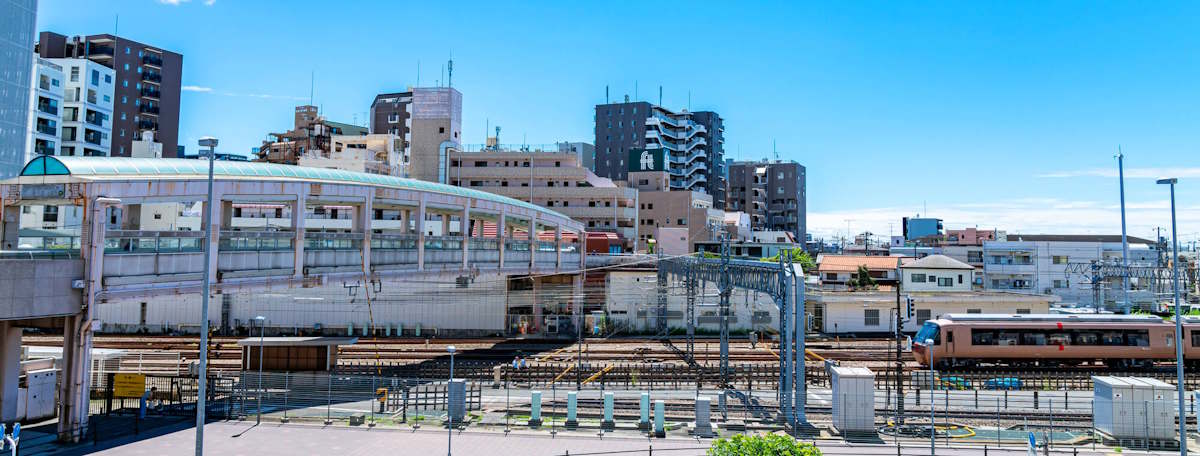
Sagami-Ono connects to Shinjuku by Odakyu, and Hashimoto connects by Keio. The JR Yokohama Line serves travel toward Shin-Yokohama and Yokohama. Sagamiko has JR Chuo Main Line access.
Local movement
Near eastern rail hubs, walking, cycling, and buses can support daily errands. Western mountain neighborhoods have more widely spaced businesses and less frequent buses, so a car adds substantial flexibility.
Driving
The Ken-O Expressway provides regional connections. Route 16 congestion and weekend traffic toward the Chuo Expressway can lengthen trips.
For short stays without a car, check the property's actual route to a station, useful buses, and everyday shops. Include slopes and transfers in your travel plan.
History and research
The Tana Mukaihara archaeological site connects the area to its Jomon past. Today's research presence includes JAXA's Sagamihara campus.
Weekend outings
Options include hiking Mount Jinba and Mount Ishiro, spending time at Lake Sagami, visiting Hattori Farm, or seeing seasonal illuminations at Sagamiko MORI MORI.
Community celebrations
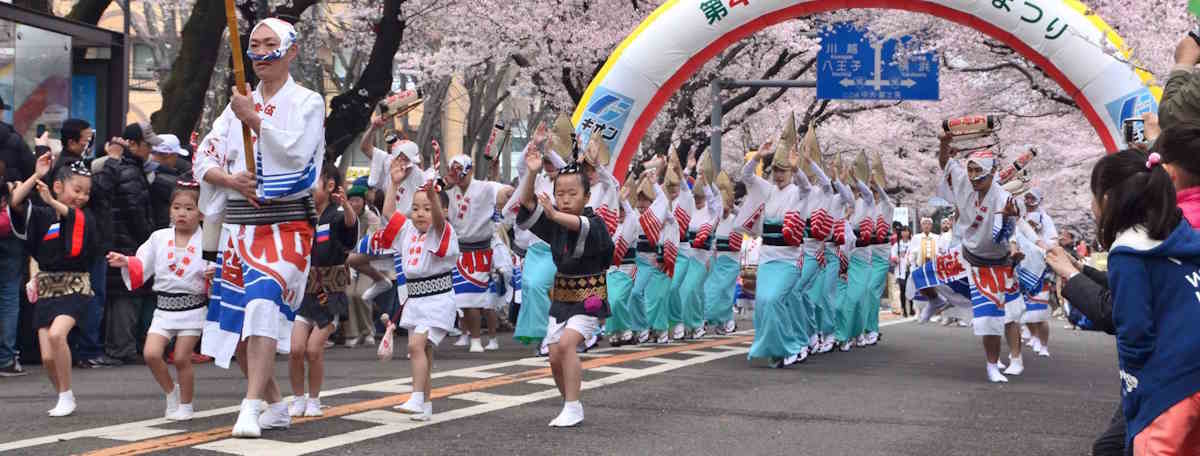
The local calendar includes the Citizens' Cherry Blossom Festival, Sagami Giant Kite Festival, Hashimoto Tanabata Festival, and Sagamihara Noryo Fireworks Festival.
A good fit if you...
- Want rail access toward Tokyo and Yokohama from a suburban base.
- Value hiking, lakeside parks, and riverside space.
- Want family services and public parks nearby.
- Seek a detached home, garden, or older property with renovation potential.
You may prefer another area if you...
- Need a central Tokyo commute under 30 minutes door-to-door.
- Want a western hillside home without relying on a car.
- Expect busy nightlife steps from home.
- Need consistently flat cycling routes, including between home and the station.
A Suburban Base with Access to Tokyo and the Countryside
Sagamihara provides a practical balance between Tokyo's vast employment market and Japan's rich natural landscapes. Whether your priorities center on a connected family neighborhood near active station shopping arcades, an established suburban detached home on a quiet street, or a secluded rural property nestled in the forested hillsides around Lake Sagami, the municipality offers diverse living environments across its three wards.
If this blend of accessible rail connections, family-oriented civic infrastructure, and outdoor recreation matches your lifestyle goals, exploring available properties in Sagamihara is a worthwhile next step. Reviewing local listings and visiting the area's distinct neighborhoods can help you find a home that fits your everyday routine and long-term plans in Japan.
Ready to explore?


 AkiyaHub Team