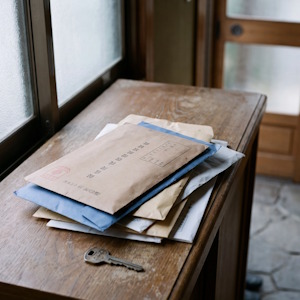
Imagine returning to your home in Japan after several months abroad and finding a property tax bill among the unopened mail. The payment deadline has passed, and there is another notice you cannot confidently read. Have you incurred a small late charge, or is your property already at risk?
Missing a property tax payment in Japan does not mean you immediately lose your house. But an unpaid bill can lead to late-payment charges, asset seizure, and eventually a public auction of your property.
The risk grows when you leave the bill unresolved. Once the legal requirements for compulsory collection are met, the municipality does not have to send a set number of additional warnings before taking action.
If you have already missed a payment, contact the tax collection office responsible for your property. Confirm what you owe and how to pay it. If you cannot pay in full, ask about the available relief procedures rather than waiting for another notice.
The immediate question is what to do about the bill. For buyers planning ahead, the same issue raises a practical question: how will you keep tax payments on track when you are outside Japan?
Property Tax Non-Payment
What this guide will help you do
Understand an overdue bill and plan how to manage property taxes from abroad.
If you already own property, this guide will help you understand an overdue bill and respond before the problem progresses. If you are preparing to buy, it will help you plan how to handle tax payments when you are outside Japan.
You will learn how to:
1Identify the annual property taxes you need to budget for and check when payments are due.
2Understand how late-payment charges accrue and why a formal demand notice needs prompt attention.
3Distinguish asset seizure from a public auction, including what each means for your ownership.
4Ask the tax collection office about relief procedures if you cannot pay in full.
5Arrange reliable mail handling, payment methods, and a tax representative if required.
Start with the taxes you will owe, then follow what happens when a payment goes unpaid.
Start by identifying which tax is overdue and which installment you missed. The annual bill and payment schedule depend on where your property is located.
Property Tax Non-Payment
Which property taxes do you have to pay?
Identify the annual taxes and check your municipality's installment schedule.
Fixed asset tax
The main annual property tax in Japan is kotei shisanzei (固定資産税), or fixed asset tax. It applies to land and buildings, with liability generally determined by who owns the property on January 1 of each year.
City planning tax
Depending on the location, you may also pay toshi keikakuzei (都市計画税), or city planning tax. This generally applies to eligible property within designated urban planning areas and is collected alongside fixed asset tax.
These taxes are normally billed annually, with an option to pay in installments. The schedule depends on the municipality. Tokyo's 23 special wards generally have four payment periods beginning in June, for example, while Yokohama's first installment is due in April.
If you miss an installment deadline, that unpaid amount becomes delinquent. You do not have to miss the entire year's payments for collection procedures to begin.
Once an installment deadline passes, the amount you need to pay may increase. Understanding how late-payment charges work helps you distinguish the original tax from the cost of the delay.
Property Tax Non-Payment
Late-payment charges begin to accrue
The charge depends on the outstanding tax and how long it remains unpaid.
Unpaid property tax generally attracts a late-payment charge called entaikin (延滞金). The charge depends on how long the tax remains unpaid, and the applicable annual rates can change each year.
For 2026, the standard annual rates are:
First month after the payment deadline2.8%
After the first month9.1%
These are annual rates applied to the outstanding tax for the relevant period, not flat percentages added to the bill immediately. Statutory calculation and rounding rules also apply.
A short delay is unlikely to create a substantial charge by itself. Leaving the bill unpaid for months is a different matter. If you simply overlooked the deadline, paying promptly limits the cost and prevents the problem from progressing.
The growing balance is only part of the concern. A formal demand notice also matters because it establishes when compulsory collection can become legally available.
Property Tax Non-Payment
A formal demand establishes the next enforcement deadline
The enforcement period runs from issuance of the demand, not when you read it.
After a missed payment, the municipality will generally send a formal demand notice called a tokusokujo (督促状). This is an official demand for the outstanding tax, rather than an ordinary reminder.
Issuing the formal demand
Under Article 371 of Japan's Local Tax Act, municipalities must generally issue this notice within 20 days of the original payment deadline. Local ordinances can allow a different period. Yokohama City, for example, allows up to 30 days in certain circumstances.
The tenth day after issuance
The next deadline matters. Under Article 373, if the outstanding fixed asset tax has not been paid by the tenth day after the formal demand was issued, the municipality can proceed with compulsory collection through asset seizure.
That period runs from issuance of the demand, not simply from the day you happen to read it.
This does not mean officials will arrive to take your house on the eleventh day. It means the legal conditions for seizure have been reached. There is no required sequence of several more warnings that you can safely wait through.
Free Member Tool · about 2 minutes
What does your budget really cover, after taxes and fees?
Answer 11 quick questions. Your free Snapshot estimates the all-in cost for your budget, shows where it works in Japan, and what to adjust to unlock more options.
65,000+ members·Rated 4.8/5 by verified buyers·No credit card
You may receive more correspondence after the formal demand, but another reminder is not a deadline extension. Waiting for a stronger warning can leave you exposed to collection action.
Property Tax Non-Payment
What happens if you ignore the notices?
Further reminders are not guaranteed, and your home is not the only asset at risk.
Municipalities commonly make further efforts to collect before taking more serious enforcement action. You may receive additional reminders or warnings called saikokusho (催告書), telephone calls, or other attempts to contact you.
Those extra reminders are not necessarily required by law. Yokohama City specifically explains that it can proceed without sending a subsequent saikokusho once the formal demand has been issued and the legal requirements for enforcement have been met.
Collection can involve more than the property
If the tax remains unpaid, the municipality can investigate your financial circumstances and identify assets for seizure. These can include:
Money in bank accounts.
Salary and other income.
Certain financial assets.
Vehicles and other personal property.
Land and buildings.
Your house does not have to be the first asset seized. Collection may involve money in a Japanese bank account or an attachable portion of salary rather than the sale of real estate. You should not assume a fixed order, however, or rely on another asset being pursued first.
If the property is your only Japanese asset
If you live abroad and have no Japanese bank balance or salary available for collection, do not assume those collection steps will come before action against your property. The property itself can be subject to seizure once the legal requirements are met. This does not establish how quickly the municipality will act or mean that an auction is imminent.
For an overseas owner, reliable mail handling matters. A demand sitting unopened at the property can contain a deadline that has already begun to run. Contact the collection office rather than waiting to see which asset it might pursue.
For a homeowner, the most pressing concern is usually the property itself. To understand that risk, it helps to separate seizure, a completed sale, and the question of who physically occupies the home.
Property Tax Non-Payment
Can you lose your house over unpaid property tax?
Seizure, sale, and physical possession are separate issues.
Yes. The municipality can seize real estate and ultimately sell it to recover unpaid taxes. Seizure and sale are separate stages, however, and neither should be confused with immediate eviction.
Seizure places the property under compulsory enforcement
A formal seizure is called sashiosae (差押え). When real estate is seized, the municipality arranges for the seizure to be recorded in the property's official real estate registry.
You do not automatically lose ownership or have to move out at this stage. But the seizure creates a legal restriction on how you can deal with the property. You cannot simply sell it through an ordinary private transaction and expect the seizure to disappear.
A public auction can transfer ownership
If the debt remains unresolved, the municipality can arrange a public auction called kōbai (公売). This is a government-run sale of assets seized to recover unpaid taxes.
The process includes valuing the property, preparing auction information, announcing the sale and accepting bids. The successful bidder generally acquires the property rights after paying the full purchase price, subject to any additional legal requirements.
Physical possession is a separate issue. Seizure does not automatically require an owner to leave, and an auction does not necessarily resolve the handover of an occupied property. If the former owner does not leave voluntarily, the new owner may need to take the necessary legal steps to obtain possession.
That distinction does not protect the former owner's ownership. A completed sale can mean losing the property even if the handover takes longer.
There is no guaranteed waiting period
There is no universal timeline between the first missed payment and a property's eventual sale.
The law sets the conditions for compulsory collection. It does not prescribe a single schedule for investigating assets, seizing real estate and preparing an auction.
Those steps can involve considerable administrative work, but you should not assume that you have six months, a year or two years before the authorities can act. Contact the tax office based on the deadline in your notice, not an estimate of how long enforcement might take.
If you cannot afford the outstanding amount, knowing the enforcement risks does not solve the payment problem. The next step is to ask whether your circumstances qualify for a formal relief procedure.
Property Tax Non-Payment
What if you cannot afford to pay?
Formal relief may be available, but eligibility, deadlines, and approval matter.
If you cannot pay in full, contact the municipality's tax collection office as soon as you recognize the problem. Japan has formal relief procedures for people in genuine financial difficulty, but eligibility and approval are not automatic.
Two procedures are particularly relevant.
Collection deferral: Chōshū yūyo
A chōshū yūyo (徴収猶予) is a formal postponement of tax collection. It may be available when someone cannot pay because of circumstances such as:
Significant disaster damage to their property.
Serious illness or injury affecting them or a family member.
Closure or suspension of a business.
Significant business losses.
If approved, collection can generally be postponed for up to one year, with possible extensions in certain circumstances. Depending on the reason for the deferral, some or all late-payment charges may also be reduced or waived.
Deferral of asset liquidation: Kanka no yūyo
A kanka no yūyo (換価の猶予) may be available when paying the outstanding tax in full would make it difficult to maintain your livelihood or continue your business.
If approved, the municipality can postpone the sale of seized assets for up to one year. In some circumstances, it may also postpone or lift certain seizures that would otherwise worsen your financial situation.
Eligibility requirements and application deadlines depend on the applicable rules and local procedures. Tokyo generally requires applications for this type of deferral within three months of the relevant tax deadline, for example, while Yokohama allows six months.
You may need to provide financial information and supporting documents. Asking for more time does not itself secure approval, so ask the collection office which procedure applies, what documents it needs and when you must submit them.
Whether you can pay now or need to apply for relief, start with the notice in front of you. A few practical checks will help you prepare for the conversation with the collection office.
Property Tax Non-Payment
What should you do after a missed payment?
Gather the notices, confirm the amount due, and ask about your options.
Whether you overlooked the bill or cannot afford it, the first useful step is the same: contact the office responsible for collecting the tax.
Find the tax bill and any subsequent notices. Check the property, unpaid installment and dates shown.
Ask the collection office to confirm the current amount due, including applicable late-payment charges, and how to pay it.
If you cannot pay in full, explain your circumstances and ask about relief procedures, eligibility and application deadlines.
Arrange Japanese-language help if you cannot confidently understand the notice or discuss the next steps.
Do not wait for a seizure notice before asking for help. Earlier contact gives you more time to understand the requirements and prepare any necessary application.
After dealing with an overdue bill, check what allowed it to go unpaid. If you live abroad, the weak point may be how mail reaches you, who reads it, or how payments are approved and made.
Property Tax Non-Payment
What overseas owners should arrange
Set up mail handling, payments, and clearly defined local support.
When you own property from abroad, a tax deadline can pass long before your next visit. You need a reliable way to receive official mail, understand what it requires, and make payments on time.
Start by confirming these arrangements with the municipality responsible for your property:
Keep a reliable mailing address on file and update it when your circumstances change.
Confirm the installment dates and which payment methods you can use from overseas. Ask whether automatic payments are available for your circumstances.
Check whether you need to appoint a tax representative, called a nōzei kanrinin (納税管理人), and what the appointment requires.
Arrange for someone who understands Japanese to review official correspondence promptly. Collecting envelopes until your next visit is not enough. You need to know when a notice arrives, what deadline it contains, and whether you need to respond.
Having someone local to look after your home
Imagine that missed tax notice again. It arrives a week after you leave Japan. Someone checking the mail can alert you while there is still time to act. The same practical support can help with utility bills, service accounts, and appointments for local work.
AkiyaHub's Home Stewardship program provides local help with these ongoing ownership tasks. A local Home Steward can receive and check mail, handle supported utility and service accounts, pay authorized property expenses on your behalf, and coordinate local work. The shared AkiyaHub Steward Dashboard keeps requests, approvals, visit reports, expenses, and receipts in one place so you can review what has been done and what needs your attention.
You remain the owner and decision-maker. Your Steward helps carry out authorized tasks; the service does not replace your tax obligations or automatically satisfy a municipality's requirement to appoint a tax representative.
If you are considering Home Stewardship, confirm which tasks are supported for your property, how official notices will be brought to your attention, and how payment approvals will work. Separately, check the municipality's requirements for tax payments and any tax representative appointment. Those arrangements should be clear before you rely on local support to handle an approaching deadline.
If you have not bought yet, you can put these arrangements in place before the first bill arrives. Use the following questions to identify what still needs to be confirmed for the property you are considering.
Property Tax Non-Payment
Questions to settle before you buy
Clarify the annual bill, assign responsibilities, and prepare a backup plan.
Before committing to a property, work out how you will manage its annual taxes. You should know what to budget for, where official notices will go, and who will handle a problem while you are abroad.
Understand the annual bill
Which municipality or tax office collects the property's fixed asset tax?
Does city planning tax also apply?
What information is available about the property's annual tax bill, and what should you confirm with the responsible tax office before using that amount in your budget?
When are the installments due, and how will you set aside money for them alongside insurance, maintenance, and other ownership costs?
Arrange correspondence and local help
Where will tax notices be sent, and how will you update that address if your circumstances change?
Who will read Japanese correspondence promptly and tell you what action is required?
Does the municipality require you to appoint a tax representative, and what does that appointment involve?
If you use a property manager, Home Steward, or another local contact, which tasks have they agreed to handle? Does tax representation require a separate arrangement?
Confirm payments and a backup plan
Which payment methods can you use from overseas, and are automatic payments available for your circumstances?
If someone will pay authorized expenses on your behalf, how will you approve payments, provide funds, and receive receipts?
Who will follow up if a bill does not arrive or a payment fails?
Which collection office will you contact if you miss a deadline or cannot pay in full, and who can provide Japanese-language help?
Turn the answers into a simple ownership record: the responsible office and its contact details, installment dates, mailing arrangements, payment method, and each person's agreed responsibilities. Resolve any gaps before relying on those arrangements from abroad.
A missed bill is manageable. An ignored bill can cost you your home.
Finding an overdue tax notice does not mean you have already lost your property. It does mean you need to act. Late-payment charges can accrue, and once the legal requirements for collection are met, the municipality can seize assets without sending several more warnings. An unresolved debt can eventually lead to the sale of your home.
If you have missed a deadline, gather the bill and any later notices, then contact the responsible tax collection office. Confirm the outstanding amount and payment method. If you cannot pay in full, ask which relief procedures may apply and when you must submit an application. Do not assume that asking for more time pauses enforcement or guarantees approval.
If you are preparing to buy, make tax administration part of your ownership plan. Before committing to a property, establish where notices will go, who will read them promptly, and how you will pay from overseas. Confirm whether the municipality requires a tax representative, and budget for annual taxes alongside your other ownership costs.
👉 How to Find Your Dream Property in Japan: Learn how to explore regions, compare value, and confidently discover standout homes using AkiyaHub’s most powerful search approach.
👉 Join the AkiyaHub community: Learn from real buyers, ask questions freely, and move forward with confidence as you explore owning a home in Japan.
Your next step · about 2 minutes
You know the costs. Now see what your budget really buys.
Answer 11 quick questions. Your free Snapshot estimates the all-in cost for your budget, shows where it works in Japan, and what to adjust to unlock more options.


 AkiyaHub Team