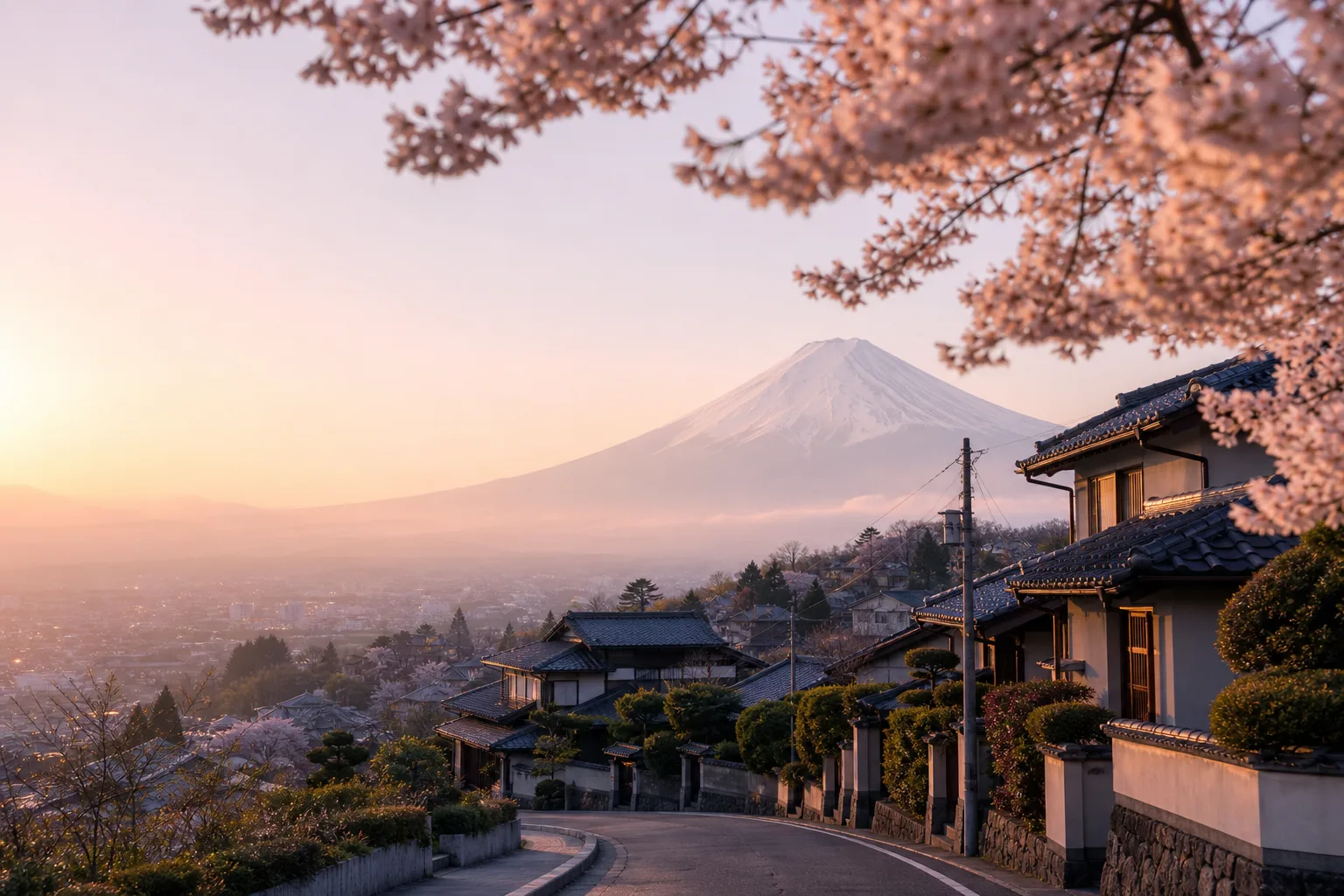
Direct trains to Tokyo, station-area shopping, parks and greenways
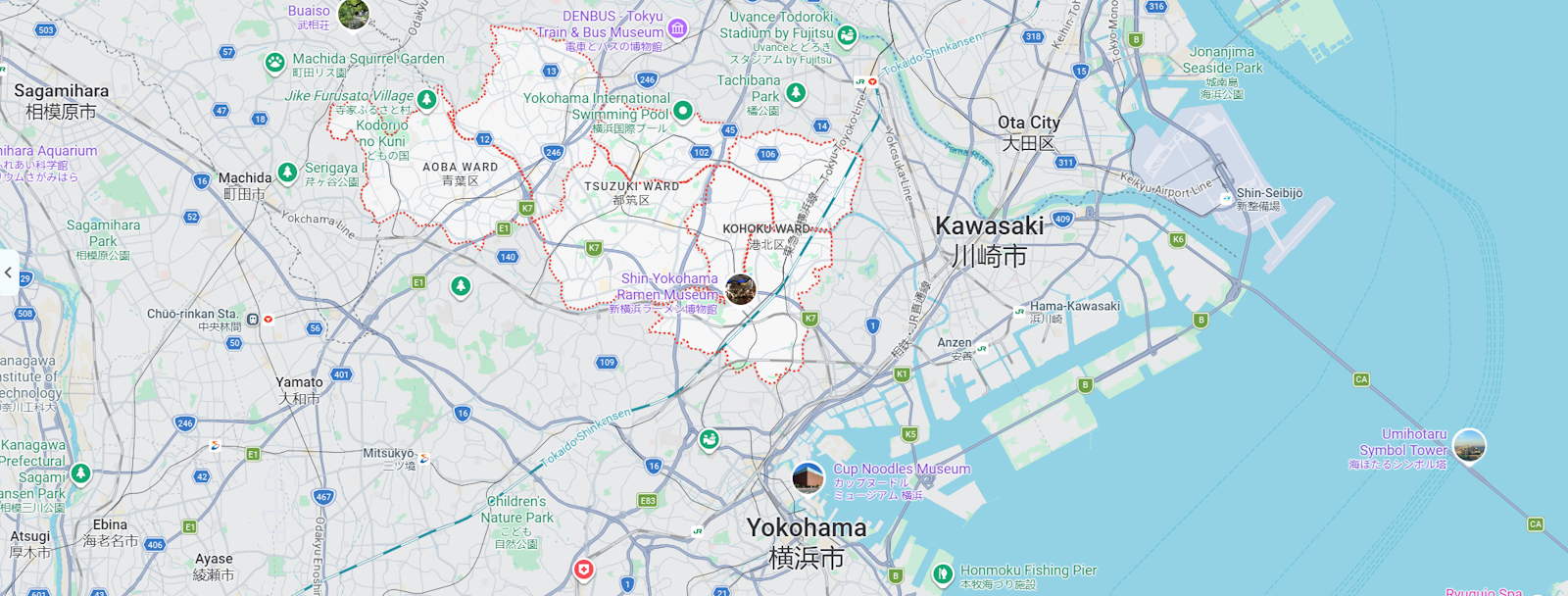
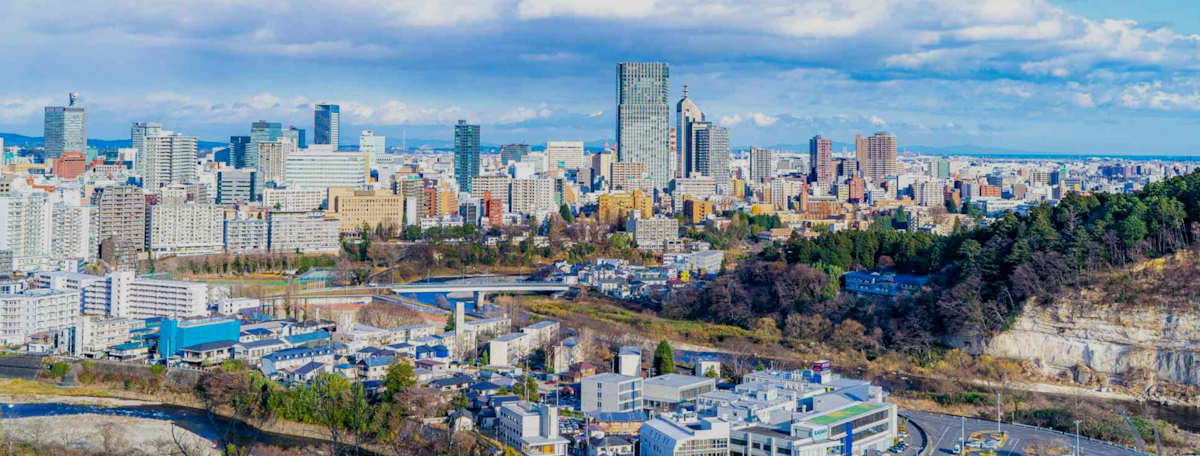
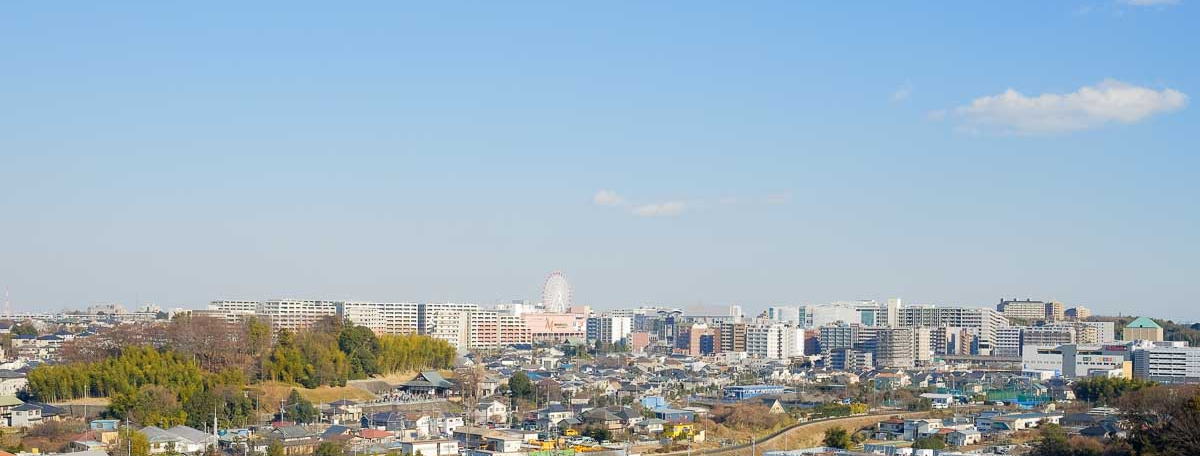
Aoba, Tsuzuki, and Kohoku Wards form the northern tier of Yokohama City in Kanagawa Prefecture, sitting between central Tokyo and downtown Yokohama. Together, these three neighboring wards offer a residential environment where direct rail connections to major employment hubs meet extensive neighborhood parks, rolling hills, and established suburban infrastructure.
While they share a convenient northern Yokohama location, each ward has a distinct daily rhythm. Aoba Ward is known as "Yokohama of the Hills," characterized by tree-lined streets, quiet detached-home neighborhoods, and more than 200 parks. Tsuzuki Ward centers on Kohoku New Town, a master-planned district built around wide roads, pedestrian-only greenways, and large family shopping malls. Kohoku Ward serves as a major transit and business hub anchored by Shin-Yokohama Station, blending lively local shopping streets with dense residential neighborhoods and riverfront open space.
This part of Yokohama attracts buyers who want practical access to Tokyo without living in a crowded inner-city district. Dual-income commuters appreciate direct train lines into Shibuya, central Tokyo, and downtown Yokohama, as well as bullet train access for domestic travel. Families raising children make up a large share of residents, drawn by the abundance of parks, pedestrian pathways, medical facilities, and public and private schools.
Northern Yokohama: Aoba, Tsuzuki & Kohoku
The northern Yokohama tradeoff
A fast train to Tokyo or central Yokohama can still mean a steep walk, a bus ride, or a transfer.
What changes by ward
A quiet hillside home in Aoba may mean an uphill walk from the station or a bus ride to reach it. In Kohoku, a home near a busy station can make errands easier, though the surrounding streets may be busier than you prefer.
In Tsuzuki, greenways make local trips easier on foot, but a train trip to Tokyo may require a transfer.
Test the trip from the property
Walk back from the station, see where you would buy groceries, and check the train you would actually take on a weekday morning. Compare the whole trip, not just the express-train time.
Northern Yokohama: Aoba, Tsuzuki & Kohoku
At a Glance
Three suburban wards with different housing, station access, and terrain.
Location
Northern Yokohama City, Kanagawa Prefecture, south of Tokyo.
Train times
About 15 to 25 minutes to downtown Yokohama or roughly 30 minutes to Shibuya on an express route. Your trip depends on the station and service.
Rail network
Tokaido Shinkansen, JR Yokohama Line, Tokyu Toyoko and Den-en-toshi lines, and the municipal Blue and Green subway lines.
Everyday setting
Family-oriented suburbs with quiet residential pockets, parks, and major shopping centers near stations.
Typical housing
Detached homes on established lots in Aoba, planned condominium developments and newer homes in Tsuzuki, and denser apartments and older houses in Kohoku.
Car use
You can often manage without a car near a station. A car can help in hilly neighborhoods or with weekend errands.
Northern Yokohama: Aoba, Tsuzuki & Kohoku
Why Buyers Like This Area
Rail links, parks, and everyday services make several kinds of suburban living practical.
Direct trains and regional travel
Express trains run directly to central Tokyo from parts of Aoba and Kohoku. The Tokaido Shinkansen stops at Shin-Yokohama, and the Tomei Expressway and Daisan Keihin Road are options for regional driving.
Parks and paths away from traffic
Aoba has more than 200 parks and preserved farmland. In Tsuzuki, about 15 kilometers of tree-lined greenways link neighborhood parks without crossing major roads.
A choice of neighborhood settings
Aoba has quiet streets lined with detached homes. Tsuzuki pairs wide, barrier-free sidewalks with large malls. Kohoku has traditional shopping streets near stations and a university-town atmosphere around Hiyoshi.
Healthcare and family support
Each ward has major hospitals, local clinics, and a childcare support center. Yokohama provides medical expense subsidies for children through junior high school.
Northern Yokohama: Aoba, Tsuzuki & Kohoku
Things to Consider
The slope, street width, and route to the station can change what daily life is like at a particular address.
Steep walks
Hills can make the walk home tiring, especially with a stroller. An electric-assist bicycle can help on regular trips.
Crowded trains and roads
The Den-en-toshi Line can be heavily crowded on weekday mornings. Main roads and streets around malls can back up at peak times and on weekends.
Flood and landslide exposure
Check flood maps for low-lying properties near the Tsurumi, Onda, and Hayabuchi rivers. Check landslide maps for steep hillside lots.
Narrow residential streets
In older hillside pockets of Kohoku, houses can sit close together and narrow roads can be awkward for larger vehicles.
Bus transfers
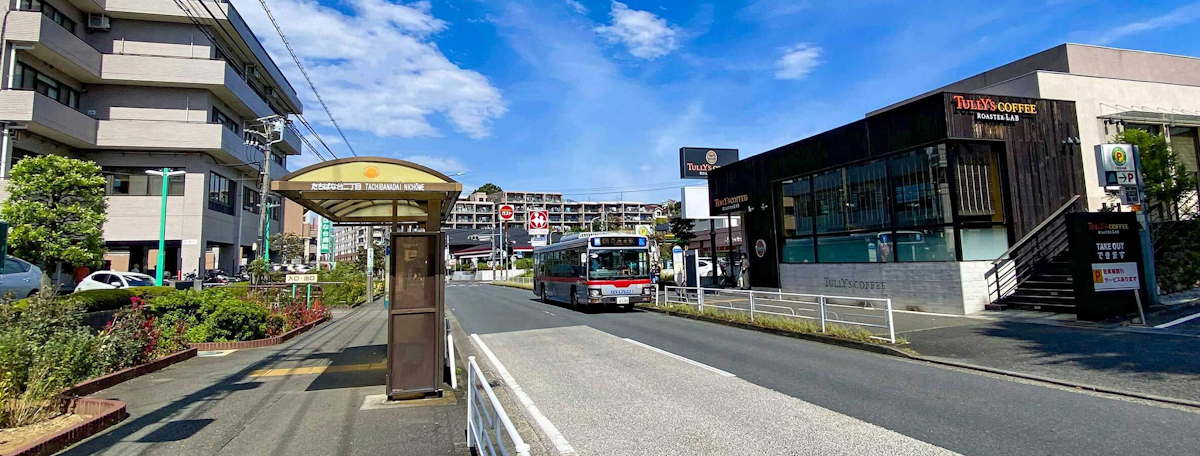
Inland homes farther from rail may depend on a bus. Allow for the transfer and for crowding in rainy weather.
Northern Yokohama: Aoba, Tsuzuki & Kohoku
Housing You'll Find Here
Detached homes are common in Aoba, while station-area condominiums are a prominent option in Tsuzuki and Kohoku.
Aoba: Low-rise streets and established lots
Detached houses are common around Tama-Plaza, Azamino, and Aobadai, often on relatively generous lots. Condominiums tend to cluster closer to major stations.
Tsuzuki: New Town condominiums and detached homes
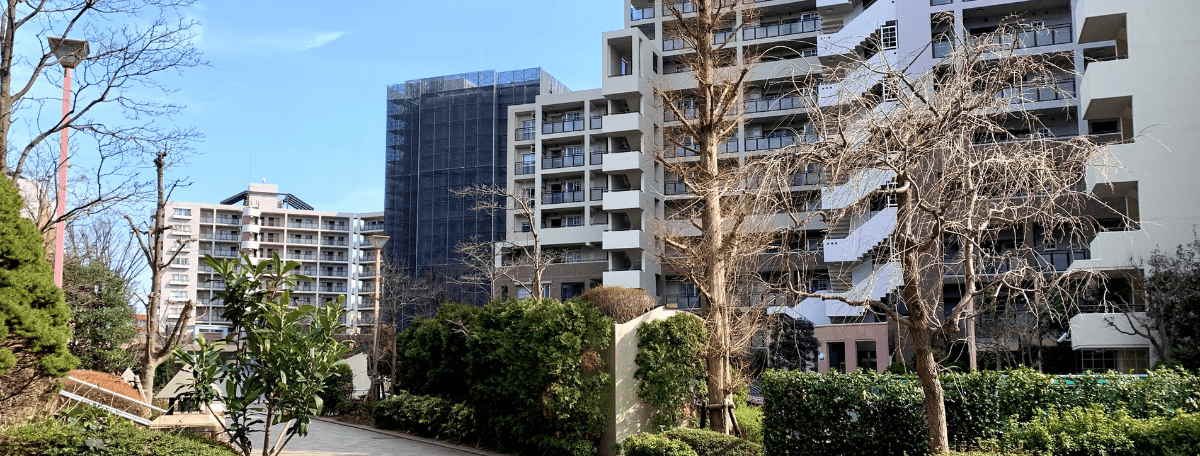
Mid- and high-rise condominium complexes are common near Center Kita, Center Minami, and Nakamachidai. Planned residential lots also have newer and renovated detached homes.
Kohoku: Station towers and older residential pockets
Modern condominium towers cluster near Shin-Yokohama and Shin-Tsunashima. Around Hiyoshi, Okurayama, and Kikuna, detached houses sit closer together alongside smaller apartment buildings.
Northern Yokohama: Aoba, Tsuzuki & Kohoku
Everyday Life
Shopping may mean a stop at the station, a trip to a mall, or a walk along a neighborhood shopping street.
Groceries, shops, and meals
In Aoba, Tama-Plaza Terrace and Aobadai Tokyu Square are convenient for station-area errands, with supermarkets and independent bakeries also part of the local mix.
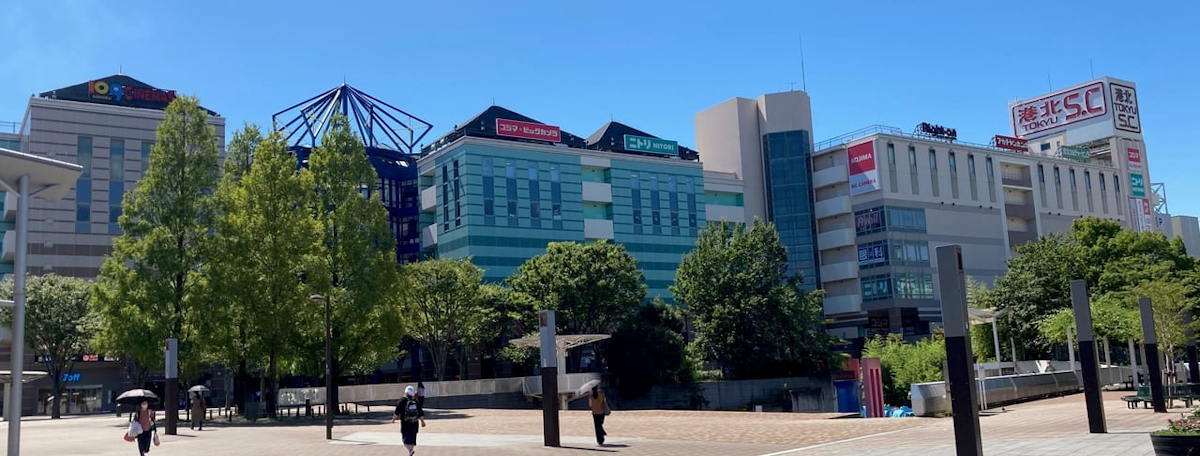
In Tsuzuki, malls such as Northport Mall and LaLaport Yokohama put groceries, restaurants, and entertainment in one place, with parking for weekend trips.
In Kohoku, Tsunashima, Okurayama, and Myorenji have walkable shopping streets with groceries, clinics, cafés, and ramen shops.
Hospitals and local clinics
Major hospitals include Showa University Fujigaoka Hospital in Aoba, Showa Medical University Northern Yokohama Hospital in Tsuzuki, and Yokohama Rosai Hospital and Kikuna Memorial Hospital in Kohoku. Neighborhood clinics provide pediatric, dental, and internal medicine care.
Childcare and school routines
Each ward has a community childcare support center. Yokohama subsidizes outpatient and inpatient care through junior high school without income restrictions.
Aoba has public and private school options. In Tsuzuki, traffic-separated paths can make school walks easier, and after-school tutoring schools are common. Keio University's Hiyoshi campus gives that part of Kohoku a student-town feel.
Northern Yokohama: Aoba, Tsuzuki & Kohoku
Getting Around
For a car-free stay, the walk to the station and shops matters as much as the rail line.
Regional rail
In Kohoku, Shin-Yokohama has the Tokaido Shinkansen, JR Yokohama Line, and Subway Blue Line. Tokyu services connect parts of the ward directly with central Tokyo and Saitama.
In Aoba, the Den-en-toshi Line is the main route. Express trains reach Shibuya in roughly 30 minutes.
In Tsuzuki, the Blue and Green subway lines meet at Center Kita and Center Minami. A trip to Tokyo may require a transfer.
Local trips on foot, by bike, or by bus
Tsuzuki's traffic-separated greenways make local walks easier. Hillside streets in Aoba and older parts of Kohoku can be steeper, and electric-assist bicycles are common for errands. Buses connect inland neighborhoods to stations but can run late in rain or at rush hour.
When a car helps
A car adds flexibility on inland hills or for bulky errands. The Tomei Expressway and Daisan Keihin Road provide regional access, but mall traffic can back up on weekends and monthly parking near Shin-Yokohama can be limited and costly.
Northern Yokohama: Aoba, Tsuzuki & Kohoku
Lifestyle & Local Character
A weekend might mean a walk past rice paddies in Aoba, a park outing in Tsuzuki, or a match in Kohoku.
Aoba: Wooded trails and preserved farmland
Kodomonokuni has pastures and wooded trails. At Jike Furusato Village, paths pass rice paddies and forested hills. Closer to home, a stop at an independent bakery café can go with a neighborhood park visit.
Tsuzuki: Park walks and local history
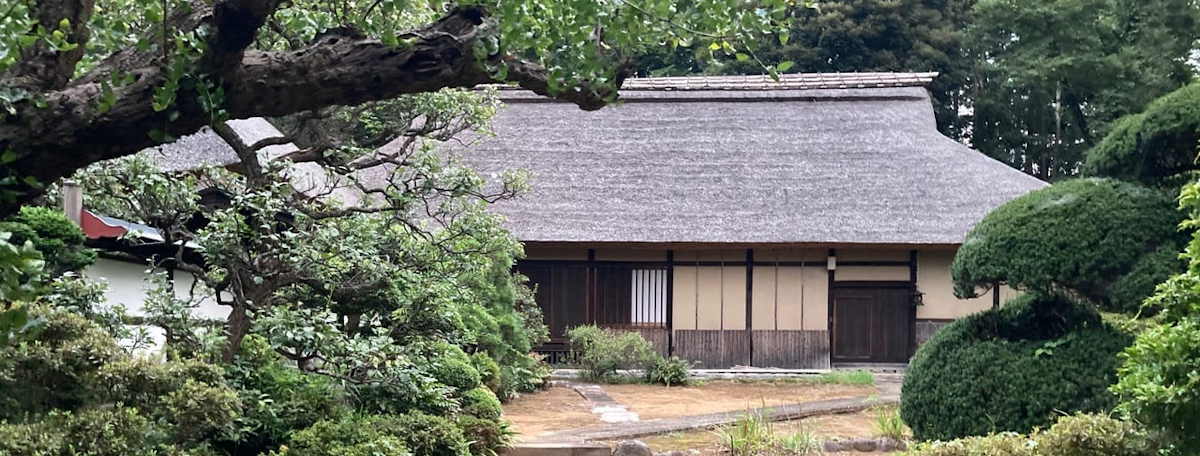
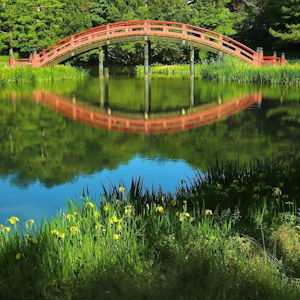
Greenways link Tsuzuki Central Park and Seseragi Park, where a pond and preserved farmhouse are part of the grounds. The Yokohama History Museum and Otsuka-Saikachido Ruins Park are nearby options for exploring local history.
Kohoku: Plum blossoms, river walks, and event days
Okurayama Park's plum festival takes place in late winter. The Tsurumi River embankment has room for walking and jogging, while matches and concerts at Nissan Stadium and Yokohama Arena can bring weekend crowds to Shin-Yokohama.
Northern Yokohama: Aoba, Tsuzuki & Kohoku
Who This Area Is Best For
The area suits buyers who want suburban services and city access, provided the terrain and travel routes work for them.
A good fit if you...
Want direct rail to Tokyo or downtown Yokohama, or easy access to the bullet train, without living in a city center.
Value parks, pedestrian paths, and nearby supermarkets, clinics, schools, or childcare services.
Prefer an established suburb and want to compare quiet hillside streets, planned town centers, and busy station neighborhoods.
Want to renovate an older detached home in an established neighborhood.
You may prefer another area if you...
Want consistently flat streets and want to avoid steep walks or bus transfers.
Dislike crowded commuter trains or weekend traffic around malls and event venues.
Need inexpensive, readily available monthly parking next to a major station.
Prefer a quiet rural or coastal setting to a developed suburb.
Want to avoid properties where river flooding or hillside landslide exposure needs careful checking.
A practical suburban base between Tokyo and central Yokohama
Aoba, Tsuzuki, and Kohoku Wards offer three distinct approaches to life in northern Yokohama, united by strong rail links to Tokyo and practical everyday infrastructure. Whether you are drawn to Aoba's quiet hillside streets and parks, Tsuzuki's pedestrian greenways and family malls, or Kohoku's transit connections and neighborhood shopping streets, choosing the right pocket comes down to balancing station proximity, terrain, and daily pace.
If northern Yokohama fits the lifestyle you are looking for, explore available detached homes, condominiums, and renovation properties across Aoba, Tsuzuki, and Kohoku Wards to compare neighborhoods and find a home that matches your daily routine.
Ready to explore?
👉 How to Find Your Dream Property in Japan: Learn how to explore regions, compare value, and confidently discover standout homes using AkiyaHub’s most powerful search approach.
👉 Join the AkiyaHub community: Learn from real buyers, ask questions freely, and move forward with confidence as you explore owning a home in Japan.
Your next step · about 2 minutes
You know Kanagawa now. See how it compares for your budget.
Answer 11 quick questions. Your free Snapshot compares Kanagawa with every other area your budget can reach, shows how many listings match today, and what to adjust to unlock more options.


 AkiyaHub Team