Fast rail links, everyday convenience, quieter residential hills
Kawasaki City sits in northeastern Kanagawa Prefecture, forming a narrow corridor wedged directly between Tokyo and Yokohama. Home to over 1.56 million residents, it is one of Japan's designated major cities and continues to grow even as much of the country experiences population decline.
Rather than having a single uniform character, it changes noticeably as you move inland from Tokyo Bay. Because of this geographical variety, Kawasaki attracts several distinct types of homebuyers.
Near the major stations
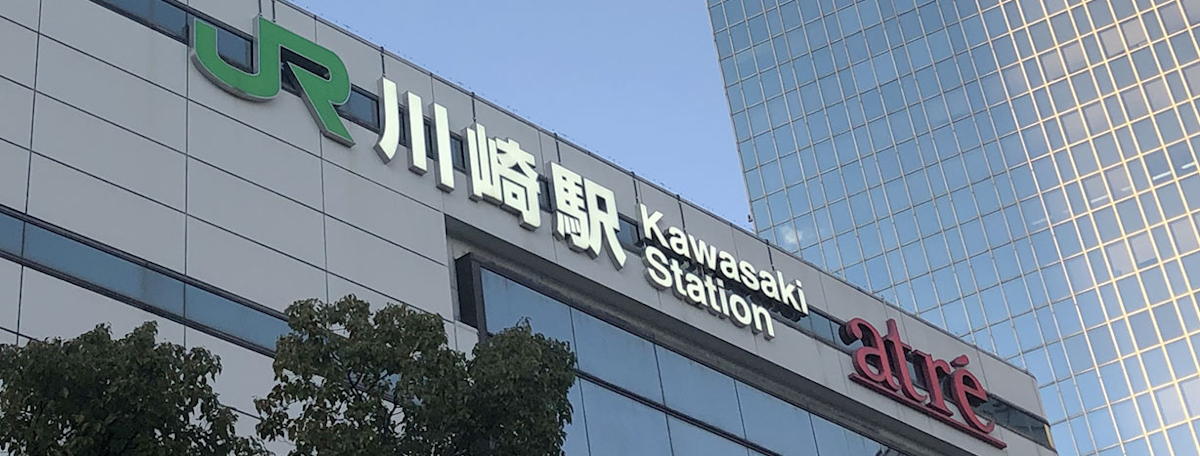
Kawasaki and Musashi-Kosugi offer several rail routes and errands on foot. Expect denser surroundings, crowded rush-hour platforms, and less private outdoor space, especially in station-side condominiums.
Farther into the hills
The Tama Hills have quieter residential streets and more detached houses, including older renovation candidates. A station that looks close on a map may involve a steep walk or a bus connection.
The property-level decision
Compare the full door-to-door trip to your regular destinations. Check the home's condition, local hazard maps, and any retaining walls alongside its station access.
- Location
- Northeastern Kanagawa, between Tokyo and Yokohama.
- Rail access
- Major hubs offer fast links toward Tokyo and Yokohama. Local access depends on the station and route.
- Neighborhoods
- Coastal industrial areas, busy commercial hubs, and quieter residential hills in the northwest.
- Housing
- Station-side condominiums, newer subdivisions, and older detached homes, including houses built in the 1960s through 1980s.
- Daily movement
- A well-located home near a major station can work without a car. Hillside addresses may depend more on buses, electric-assist bicycles, or driving.
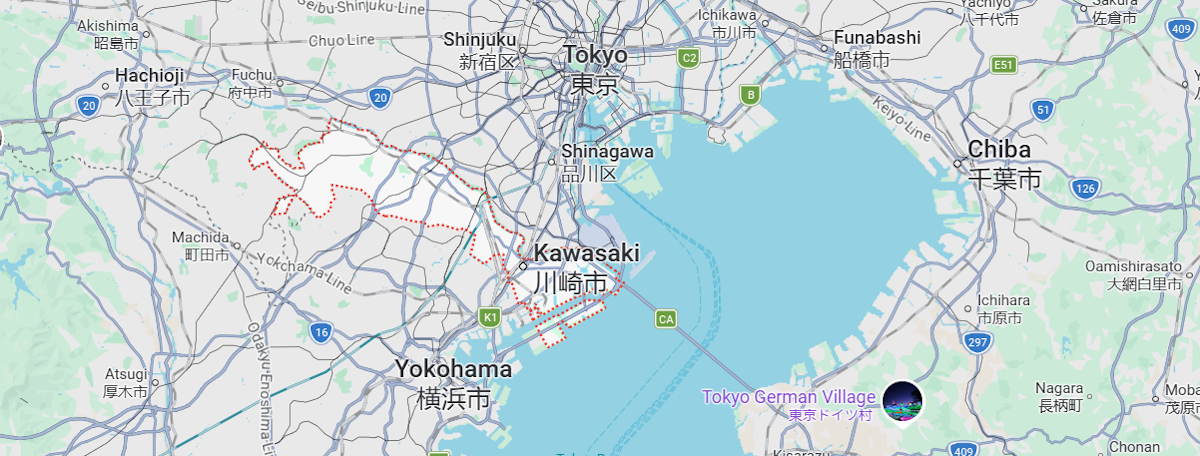
Useful regional connections
Major rail hubs connect with Tokyo and Yokohama, while Keikyu Kawasaki provides airport access. The benefit depends on your property's route to the station.
Errands close to the train
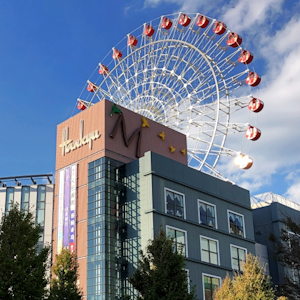
Lazona Kawasaki Plaza and Grand Tree Musashikosugi bring shopping and dining together near major stations. Nearby clinics and other services can keep daily trips short.
Parks and family infrastructure
Ikuta Ryokuchi and the Tama River greenbelts offer outdoor space. Childcare support centers and after-school programs support family routines.
Different settings within one city
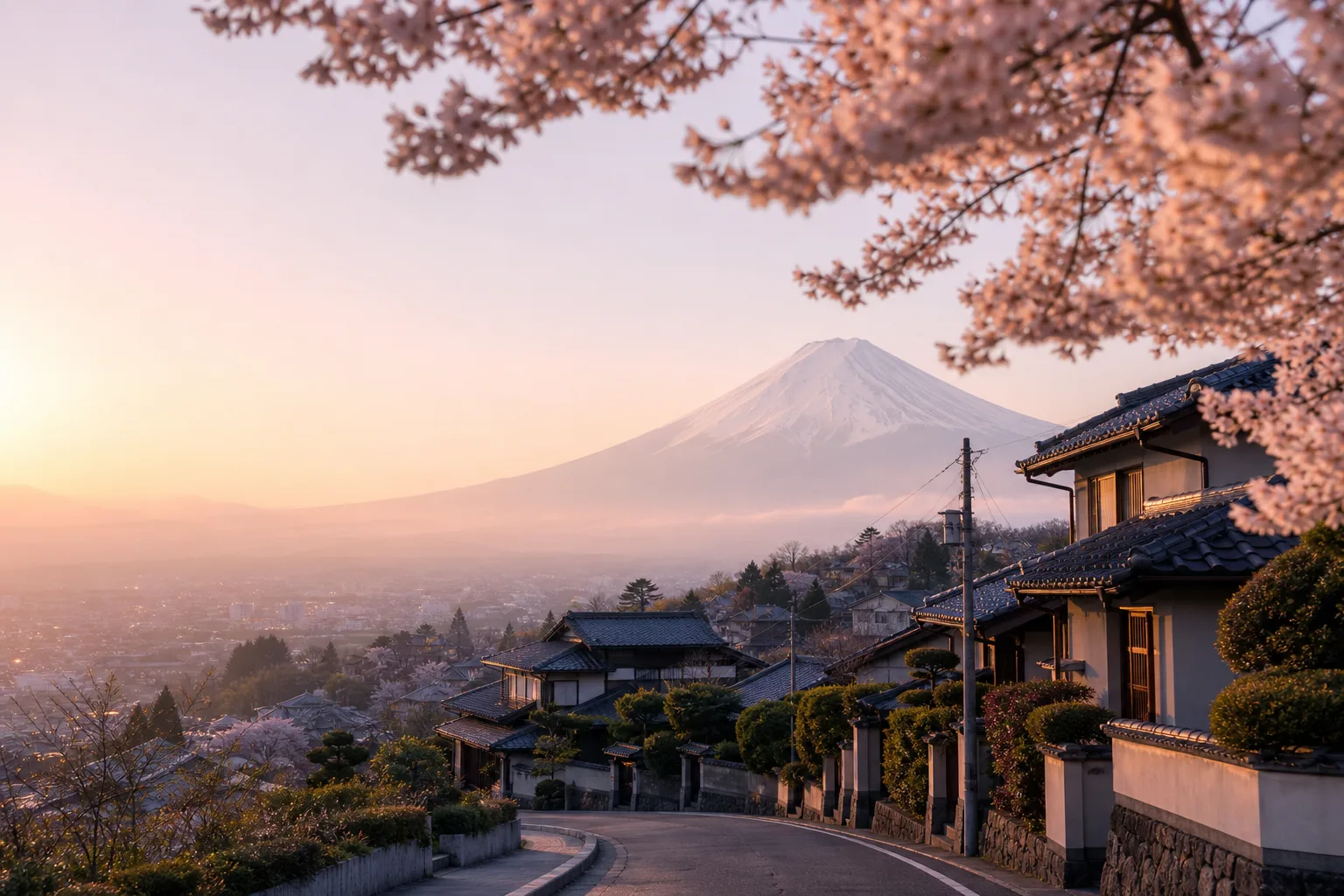
Seven wards give you a choice between flat urban districts and quieter hillside neighborhoods farther inland.
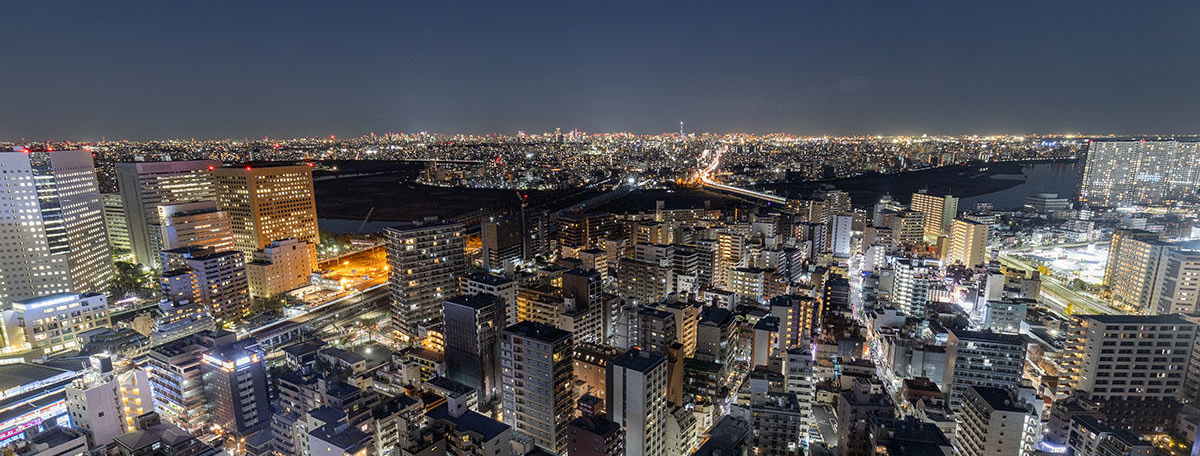
Kawasaki City, Kanagawa
Things to consider
Terrain, traffic, noise, and hazards vary with the address.
- Hills change short trips
- Parts of Miyamae, Takatsu, Tama, and Asao have steep slopes. Grocery trips and station walks may be easier by bus or electric-assist bicycle.
- Driving has its own delays
- Route 246 and Nakahara Kaido experience congestion. Narrow streets and railroad crossings can also slow local journeys.
- Busy stations and evening streets
- Kawasaki and Musashi-Kosugi become crowded at rush hour. Entertainment areas east of Kawasaki Station can have substantial late-night foot traffic and noise.
- Hazards are property-specific
- Low-lying areas near the Tama River face flood risks; hillside areas can carry landslide hazards. Check municipal hazard maps for the exact property.
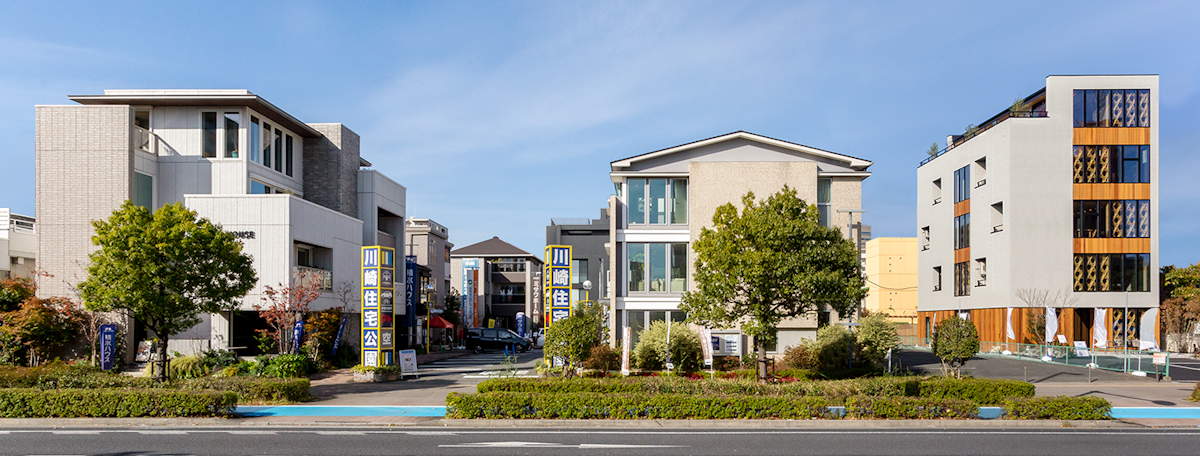
Major station areas
Condominiums and high-rise housing offer access to rail and building management, usually with less private outdoor space. Kawasaki and Musashi-Kosugi are key station-side options.
Southern residential blocks
Kawasaki and Saiwai wards include compact older detached houses on smaller lots in flat, closely spaced neighborhoods.
Inland neighborhoods
Takatsu, Miyamae, Tama, and Asao have newer subdivisions alongside established family homes. Older houses, including vacant homes called akiya, may suit renovation.
Before choosing a renovation project
Arrange a thorough inspection and assess seismic performance, interior work, and any retaining walls. Check hazard maps and confirm eligibility before relying on municipal vacant-home support or demolition subsidies.
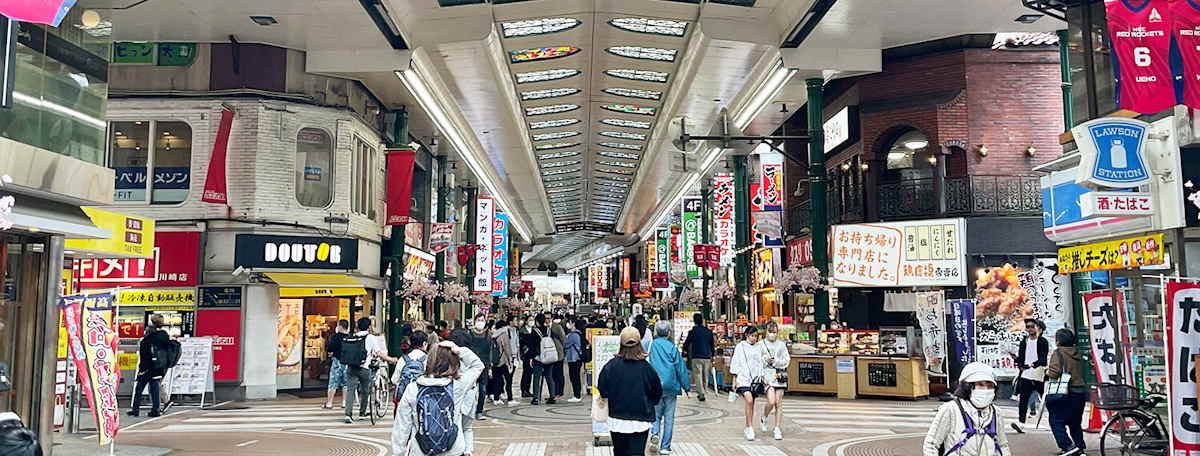
Lazona, Atre Kawasaki, Azalea, and Grand Tree Musashikosugi concentrate everyday shopping near major stations. Mizonokuchi and Shin-Yurigaoka have their own shopping complexes. Traditional shopping streets, called shotengai, offer independent shops and diners in areas such as Motosumiyoshi.
Healthcare and family routines
Kawasaki Municipal Hospital and Nippon Medical School Musashikosugi Hospital sit alongside neighborhood clinics. Families also have childcare support centers, local schools, and Wakuwaku Plaza after-school programs.
Time outdoors
The Tama River banks provide space for jogging, cycling, and picnics. Todoroki Green Space and Fujimi Park offer sports facilities, playgrounds, and walking paths.
Regional rail journeys
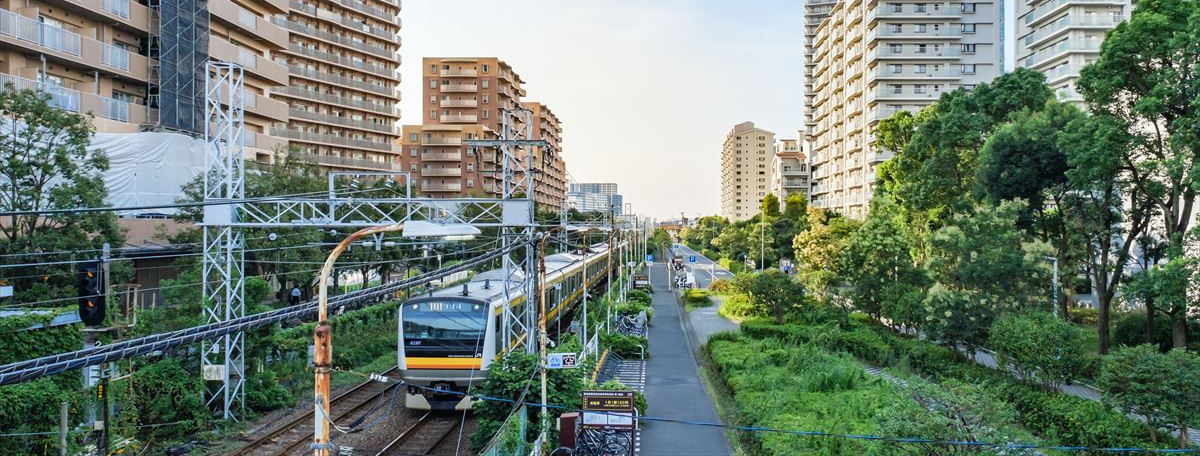
From JR Kawasaki, Tokaido Line journeys take roughly 9 minutes to Shinagawa, 18 minutes to Tokyo Station, and 8 minutes to Yokohama. Keikyu Kawasaki provides Haneda Airport connections. Musashi-Kosugi has direct links toward Shibuya, Shinjuku, and Yokohama.
Local movement
The JR Nambu Line links southeastern and northwestern parts of the city. Buses connect stations with hillside neighborhoods and coastal workplaces. Walking and standard cycling are easier in flatter areas; inland slopes can favor electric-assist bicycles.
When a car adds flexibility
Near a major station, rail and nearby services can support daily life without a car. Farther into the hills, a car can make shopping and family errands easier, though congestion and parking costs remain considerations.
For a short-stay base, compare the complete route between the home, station or bus stop, shops, and your regular destinations. Train times alone do not describe that journey.
Waterfront and temple traditions
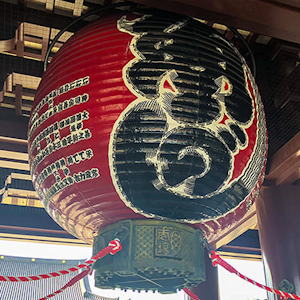
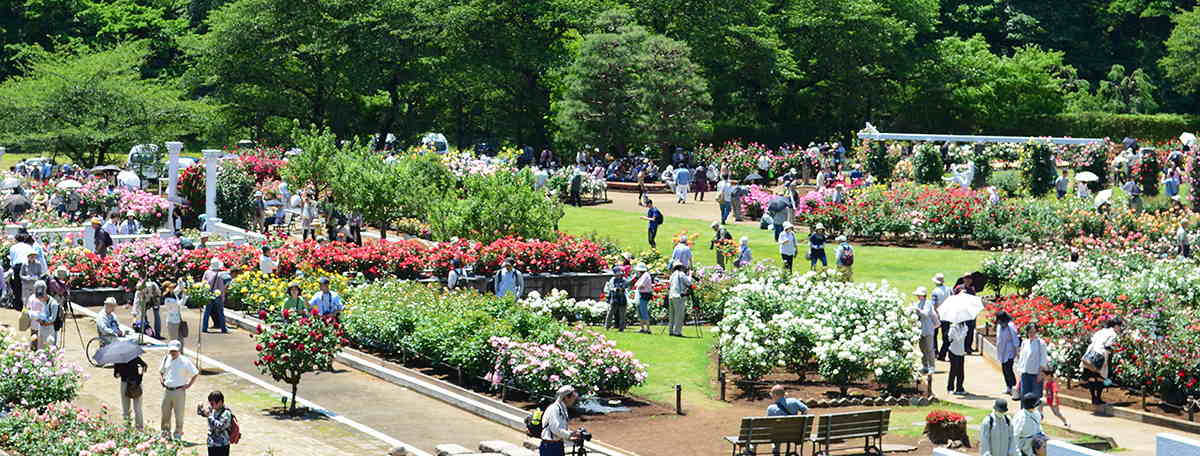
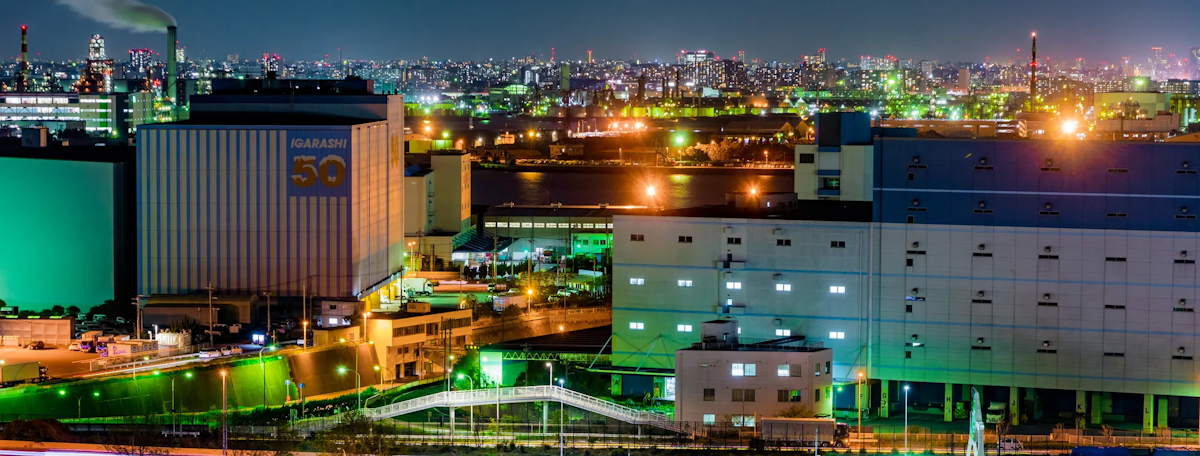
Factories and logistics facilities line the reclaimed waterfront, where evening cruises take in illuminated industrial views. Inland, Kawasaki Daishi draws New Year visitors and hosts a summer wind-chime market.
Wooded walks and museums
Ikuta Ryokuchi combines forested hills with Nihon Minka-en's preserved traditional houses and the Taro Okamoto Museum of Art. Other outings include the Fujiko F. Fujio Museum and Higashitakane Forest Park's wetland boardwalks.
Sports and seasonal gatherings
Kawasaki Frontale home matches bring neighborhood support. In autumn, the Kawasaki Citizens' Festival at Fujimi Park gathers food stalls, music, and community groups.
A good fit if you...
- Need rail access toward Tokyo, Yokohama, or Haneda Airport.
- Want station-area shopping, clinics, and dining within walking distance.
- Value established family services and public parks.
- Want a choice between urban condominiums and inland detached houses, including renovation candidates.
You may prefer another area if you...
- Want a hillside suburban setting without steep walks.
- Depend on uncongested roads and inexpensive parking.
- Expect quiet residential streets immediately outside a busy southern rail terminal.
- Want rural space, minimal density, or to avoid crowded peak-hour trains.
A practical base between Tokyo and Yokohama
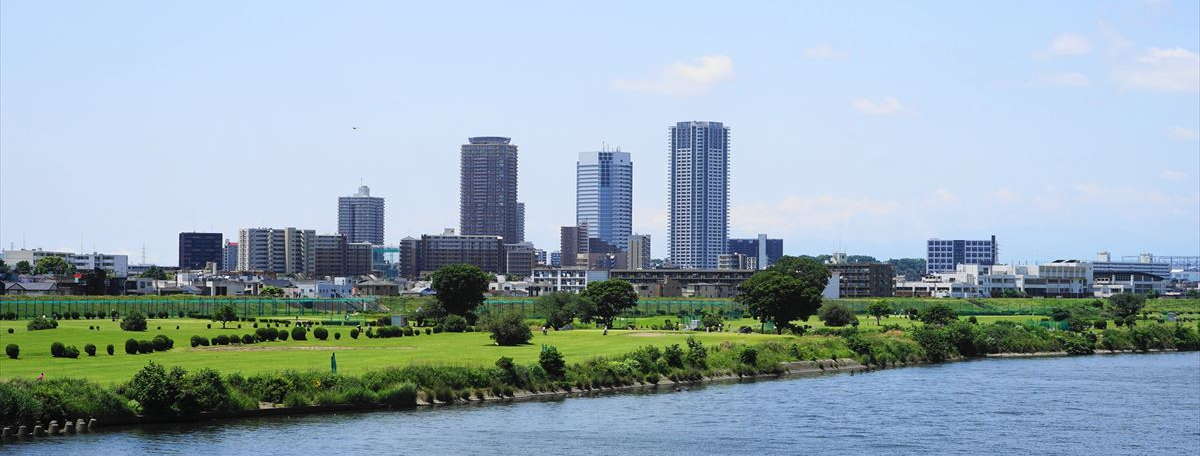
Kawasaki combines fast rail access to both Tokyo and Yokohama with neighborhoods that range from waterfront industrial zones and high-rise commercial hubs to wooded residential hills. Because daily routines, terrain, and housing styles differ noticeably across its seven wards, narrowing down your preferred commute route, tolerance for hillside slopes, and desired home type is the most practical way to focus your search.
Whether you picture yourself living near a major transit hub with station-side shopping or renovating a detached house on a quieter inland street, Kawasaki offers distinct residential environments within a single municipality. Explore available homes across Kawasaki's wards to see which neighborhood aligns with your everyday lifestyle.
Ready to explore?


 AkiyaHub Team