Coastal living, wooded parks, direct rail connections
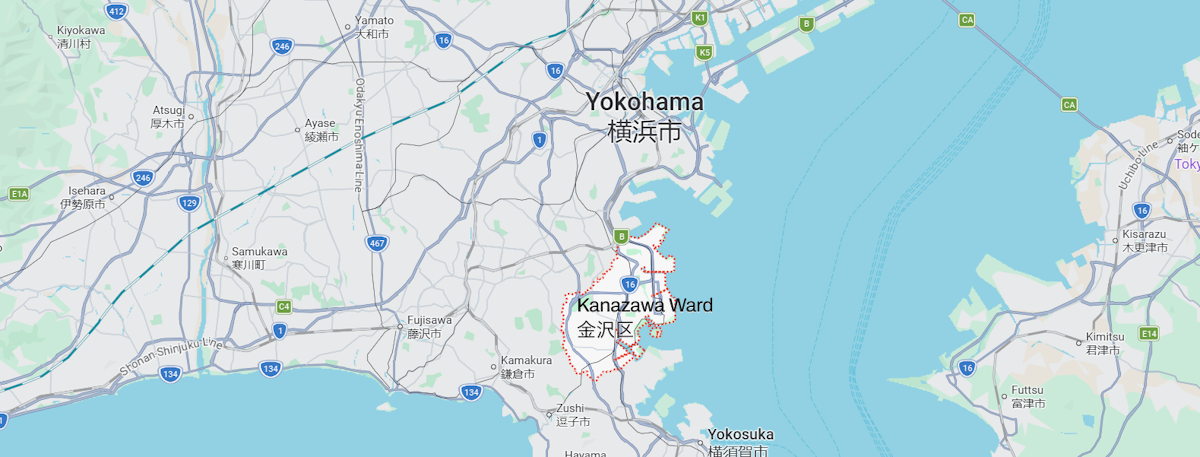
Situated at the southern edge of Yokohama in Kanagawa Prefecture, Kanazawa Ward sits between the waters of Tokyo Bay and a backdrop of wooded hills. Home to roughly 192,000 residents, it functions largely as a relaxed residential commuter town rather than a dense urban center. Influenced by the warm Kuroshio ocean current, the climate stays relatively mild, with slightly cooler summers and warmer winters than central Yokohama.
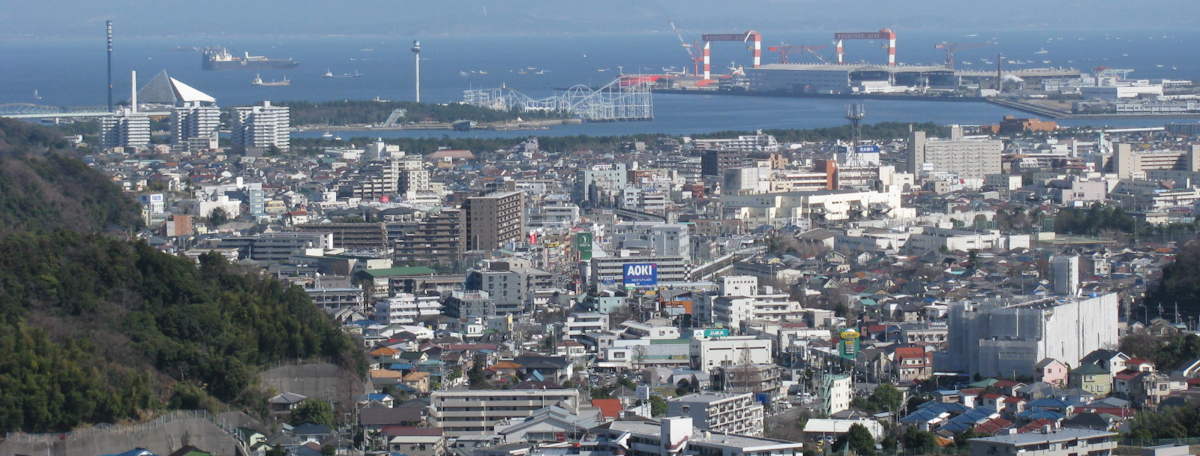
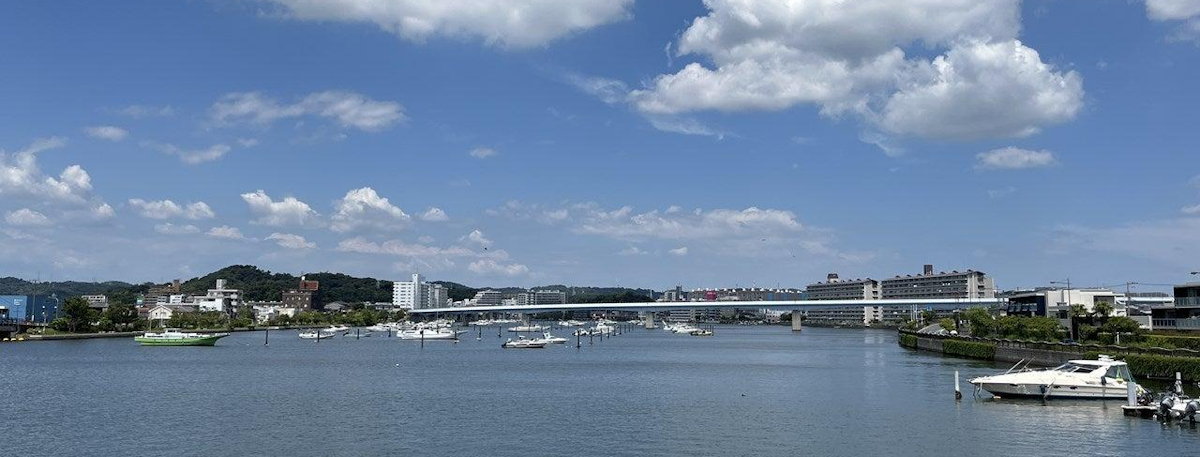
The ward combines coastal recreation, university campuses, and historical sites dating back to the Kamakura period. Residential neighborhoods split into two distinct environments: flat, reclaimed coastal zones featuring marinas and mid-to-high-rise apartment complexes, and inland hillside districts filled with detached family homes. Five stations along the Keikyu Main Line link the area north toward central Yokohama and Tokyo, while an elevated coastal transit line serves the waterfront parks and industrial zones.
Flatter streets or hillside homes
Station areas and the waterfront tend to have flatter streets and more apartments. Inland, detached homes are more common, but errands and station walks may involve slopes, stairs, or a bus ride.
A quieter setting with practical checks
Coastal parks and wooded hills come with property-specific maintenance questions. Check retaining walls and road access inland, and salt exposure, flooding, and storm surge risk near the coast.
Compare the actual route to shops and transport alongside the home's condition before narrowing your search.
- Location
- Southern Yokohama, Kanagawa Prefecture, beside Tokyo Bay.
- Rail connections
- Keikyu Main Line and Yokohama Seaside Line, with local buses. Fast trains reach Yokohama Station in about 20 minutes; journey times depend on your starting station and service.
- Daily setting
- Quiet residential streets, coastal recreation, wooded parks, and family amenities.
- Housing
- Older detached homes inland; mid-rise and larger apartment complexes near stations and the waterfront.
- Car needs
- A car can be optional near stations. It adds flexibility in hilly inland neighborhoods and for larger shopping trips.
- Defining feature
- Yokohama's largest total park area, with beaches, wooded hills, and historic temples within the ward.
Rail access beyond the ward
Fast Keikyu services connect to Yokohama Station in about 20 minutes, with connections toward Shinagawa and Haneda Airport. Your station and train service determine the journey.
Waterfront and wooded escapes
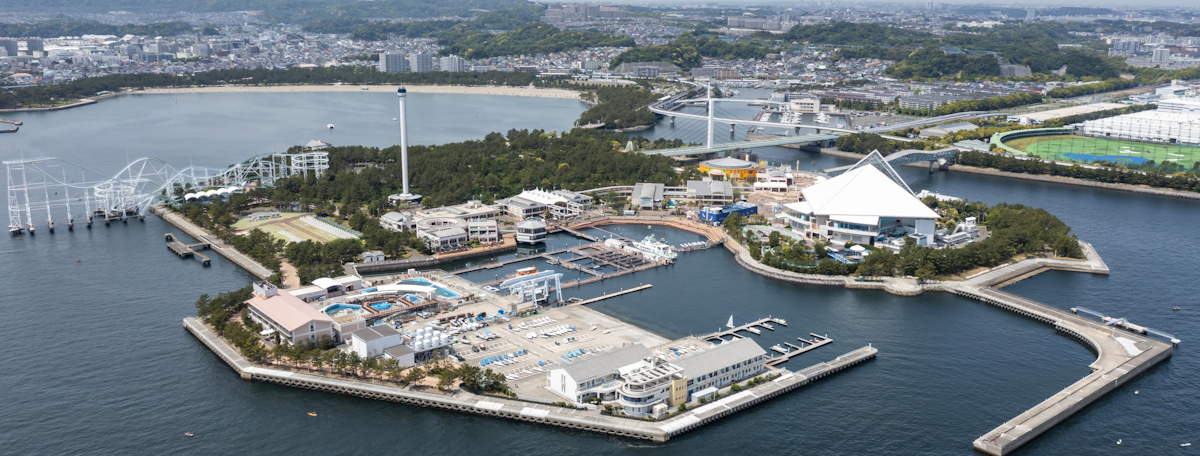
Umi no Koen has a sandy swimming beach, Nojima Park has island trails, and Kanazawa Natural Park offers wooded hills and walking paths.
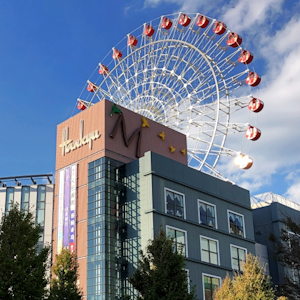
Groceries cluster around major stations. Mitsui Outlet Park Yokohama Bayside, Costco, and Nanbu Market expand the shopping and dining options along the waterfront.
An established residential setting
Parks, childcare support, university campuses, and major hospitals support longer stays. Shomyoji Temple and the Kanazawa Bunko museum add quieter cultural outings.
- Slopes and stairs
- Hillside neighborhoods, including parts of Nokendai, can make walking and standard cycling demanding.
- Weekend road congestion
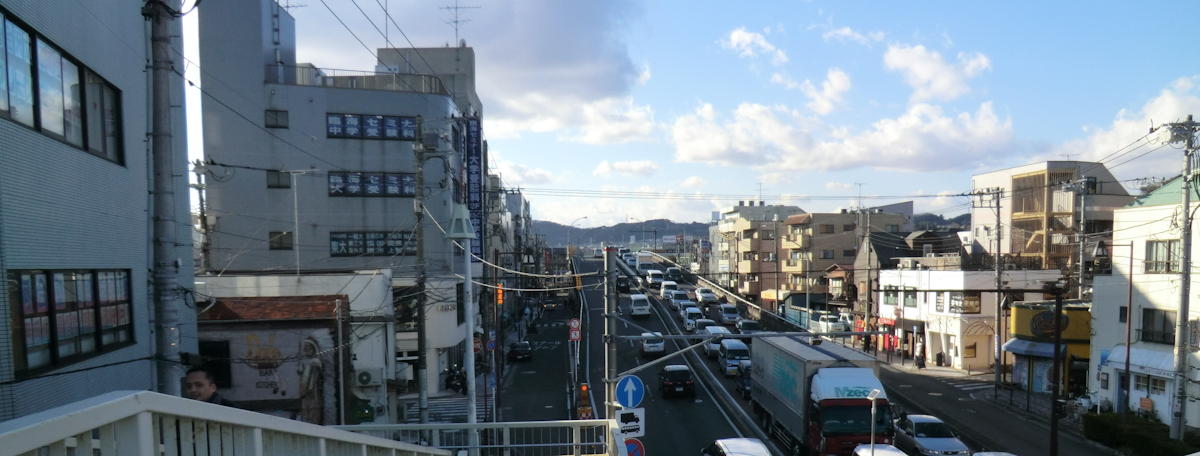
- Visitor traffic can slow Route 16 and expressway approaches during weekends and holidays.
- Station access matters
- No JR line passes through the ward. Away from Keikyu and Seaside Line stations, a bus connection may be part of your routine.
- Coastal and hillside checks
- Salt exposure affects vehicles and exterior metalwork. Check the specific address for tsunami, flooding, storm surge, or landslide exposure rather than treating all neighborhoods alike.
- Quiet evenings inland
- Restaurants and evening activity concentrate around Kanazawa-Bunko and Kanazawa-Hakkei. Inland streets have fewer dining options after dark.
Waterfront and station areas
Mid-rise and large apartment complexes are common. Redevelopment around Kanazawa-Hakkei has added newer homes with improved barrier-free access and ground-floor shops.
Nokendai, Tomioka, and Kamariya
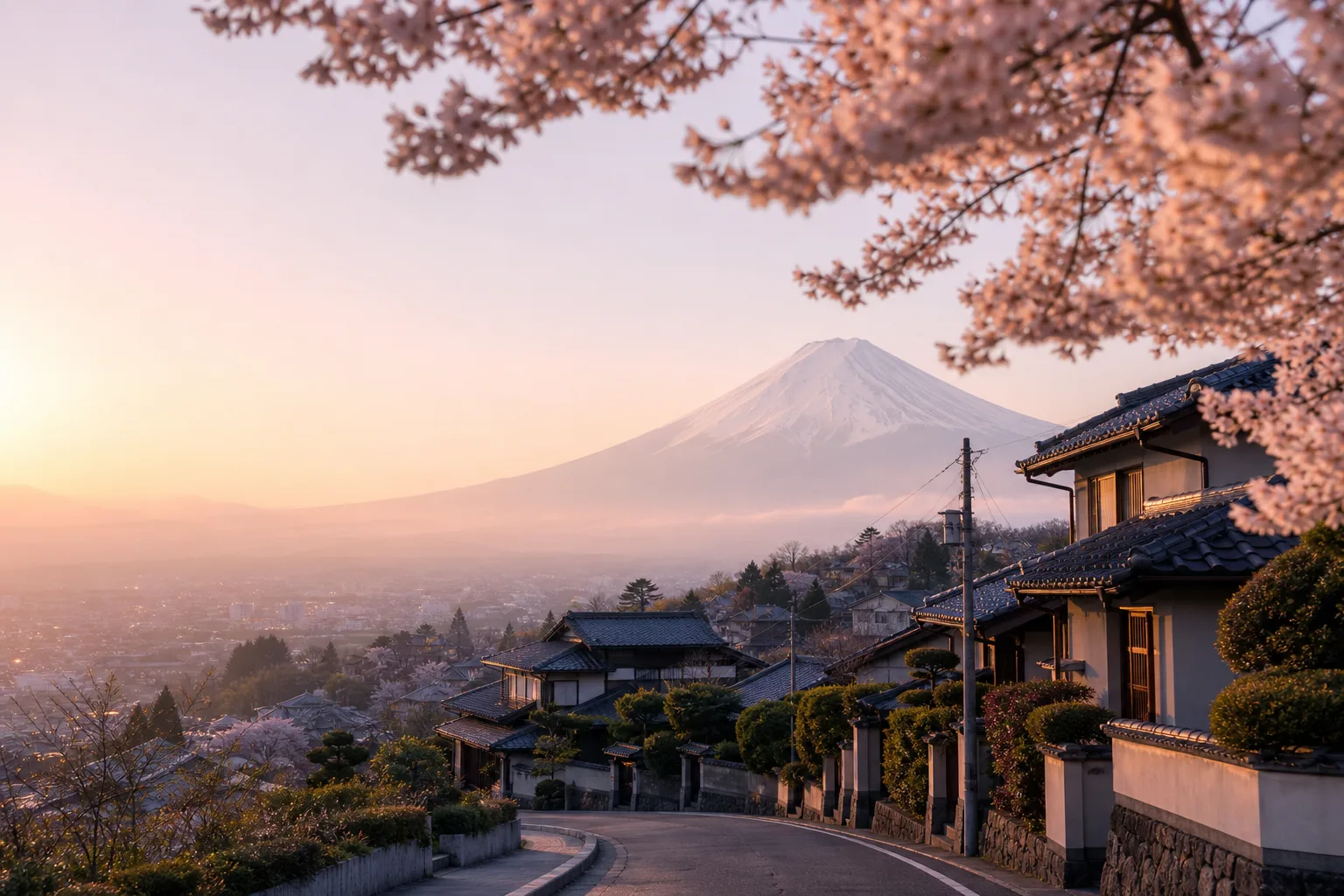
Detached houses are more common inland, including older wooden homes in established subdivisions. Some districts contain akiya, or vacant homes. Retaining walls, sloped driveways, and stepped access paths can be part of the property.
Maintenance and site conditions
Sea breezes can accelerate corrosion near the coast. Low-lying land may face coastal or heavy-rain flooding risks; steep inland sites may fall within landslide warning zones.
Review Yokohama City's official hazard maps and the property's access, retaining walls, and renovation needs before committing.
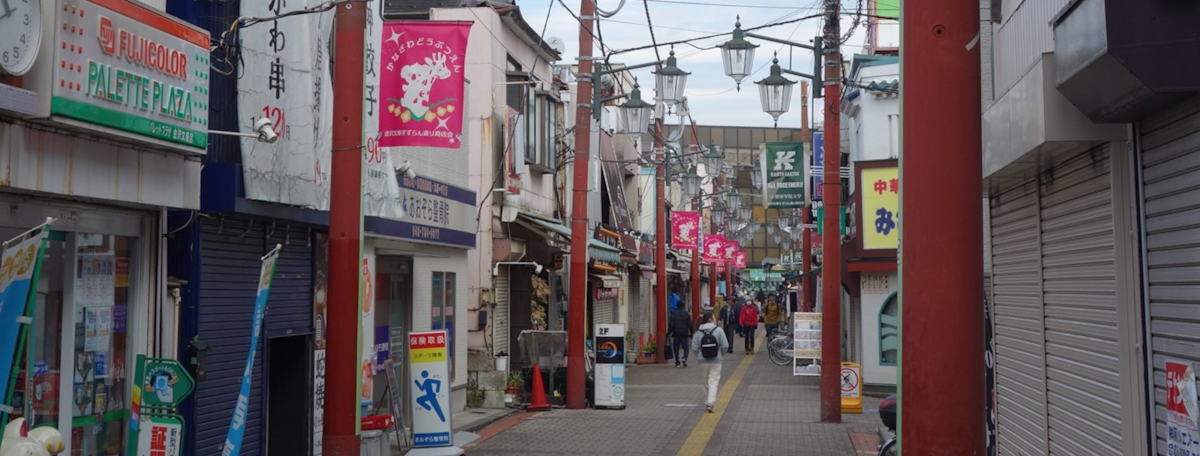
Kanazawa-Bunko, Kanazawa-Hakkei, and Nokendai have supermarkets, drugstores, and everyday services. Station areas also hold most restaurants and chain cafes. Coastal destinations include Costco, Branch Yokohama Nanbu Market, and Mitsui Outlet Park Yokohama Bayside.
Family routines and education
Public schools, playgrounds, sports fields, and coastal open space serve residential districts. Yokohama City University and Kanto Gakuin University have local campuses, while municipal childcare programs support working families.
Healthcare and neighborhood life
Yokohama City University Hospital connects directly to Shidai-Igakubu Station. Yokohama Minami Kyosai Hospital, local clinics, and pharmacies provide further options. Neighborhood associations organize cleanups, disaster drills, and community watch activities.
Regional rail travel
Keikyu serves five stations in the ward, including express stops at Kanazawa-Bunko and Kanazawa-Hakkei. Fast services reach Yokohama Station in roughly 18 to 20 minutes, with onward travel toward Shinagawa and Haneda Airport. Rush-hour trains can be crowded. JR journeys require a connection outside the ward.
Local movement without a car
The Seaside Line links Kanazawa-Hakkei and Shin-Sugita via waterfront parks, hospital access, and industrial districts. Buses connect residential hills to rail stations, but frequency drops in some outlying pockets. A well-located home can support daily travel by rail, bus, and walking.
When driving adds flexibility
A car can help with hillside homes, bulk shopping, and trips to Fukuura or Sachiura. The Bayshore Route and Yokohama-Yokosuka Road provide expressway access, but Route 16 can be congested on weekends. Off-site parking typically costs about ¥15,000 monthly, with a stated range of ¥11,000 to ¥25,000.
For short stays, check the walk, slopes, bus frequency, and nearby shops for each property before deciding whether you need a car.
History close to home
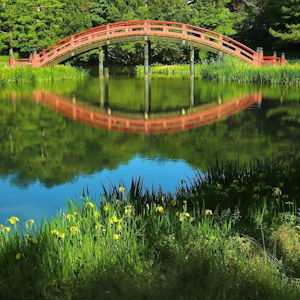
Shomyoji Temple has quiet Pure Land-style gardens. The adjacent Kanagawa Prefectural Kanazawa Bunko preserves historical archives and national treasures tied to the area's medieval past.
Coastal days and inland walks
Umi no Koen offers a one-kilometer sandy beach, spring clam digging, and barbecue areas. Nojima Park adds trails, camping, and an observation deck. Inland, Kanazawa Natural Park and Kanazawa Zoo offer walking paths and picnic space; Hakkeijima Sea Paradise has aquariums and a waterfront promenade.
Seasonal routines
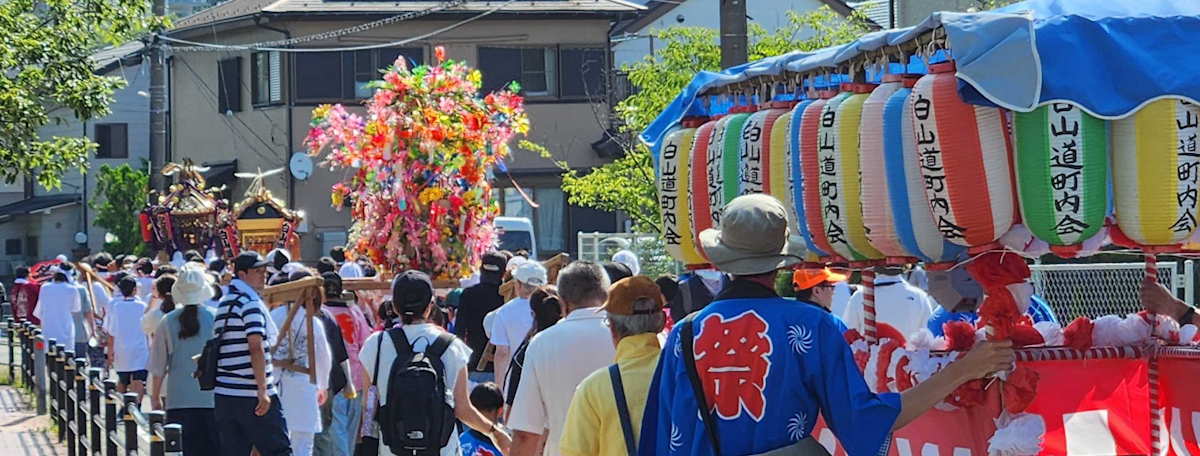
Summer brings the Kanazawa Matsuri Fireworks Festival. Autumn includes the Ikiki Festa community fair and mandarin picking in the Shiba hills. In January, the Seven Lucky Gods stamp rally links neighborhood temples and shrines.
A good fit if you...
- Want rail access to Yokohama and Tokyo alongside beaches and wooded hills.
- Value parks, schools, hospitals, and a quiet residential setting.
- Enjoy coastal walks, hiking, camping, and temple visits.
- Are open to renovating an older detached home.
You may prefer another area if you...
- Want lively dining and nightlife outside your door.
- Need consistently flat streets without slopes or stairs.
- Want direct JR access without a transfer or bus ride.
- Dislike weekend driving congestion or coastal salt upkeep.
- Prefer to avoid properties exposed to coastal flooding or hillside hazards.
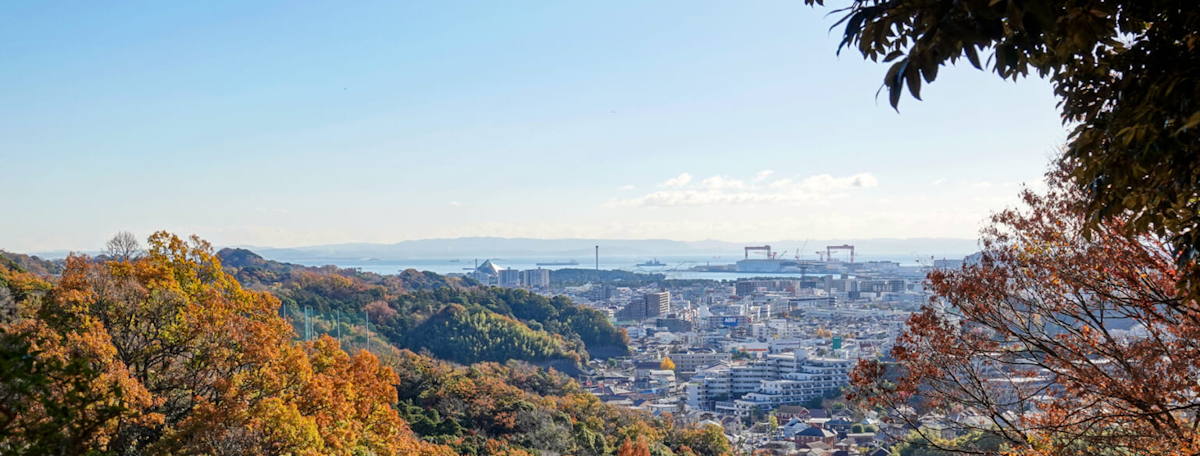
A quieter coastal base in Yokohama
Kanazawa Ward offers a distinct middle ground within Greater Tokyo: a coastal and hillside suburb where daily life moves at a measured pace, supported by reliable rail links, expansive parks, and active community networks. Living here means trading late-night urban energy and flat terrain for sea breezes, wooded trails, and quieter residential streets.
If a balance of outdoor space, family infrastructure, and straightforward commuting to Yokohama or Tokyo fits what you are looking for, explore available homes in Kanazawa Ward. Comparing properties near the flat coastal stations against detached houses in the inland hills will help you determine which setting best matches your daily routine.
Ready to explore?


 AkiyaHub Team