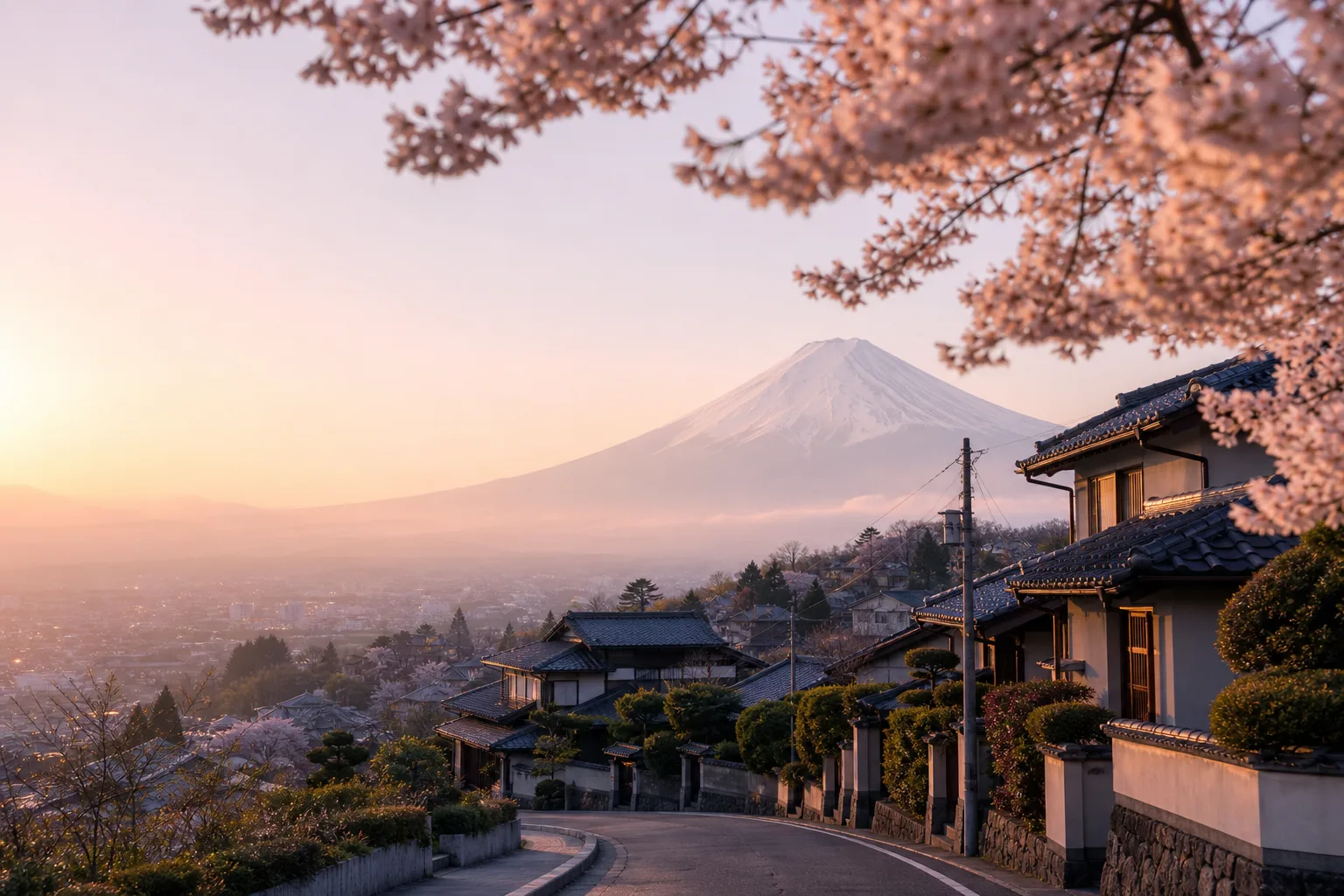
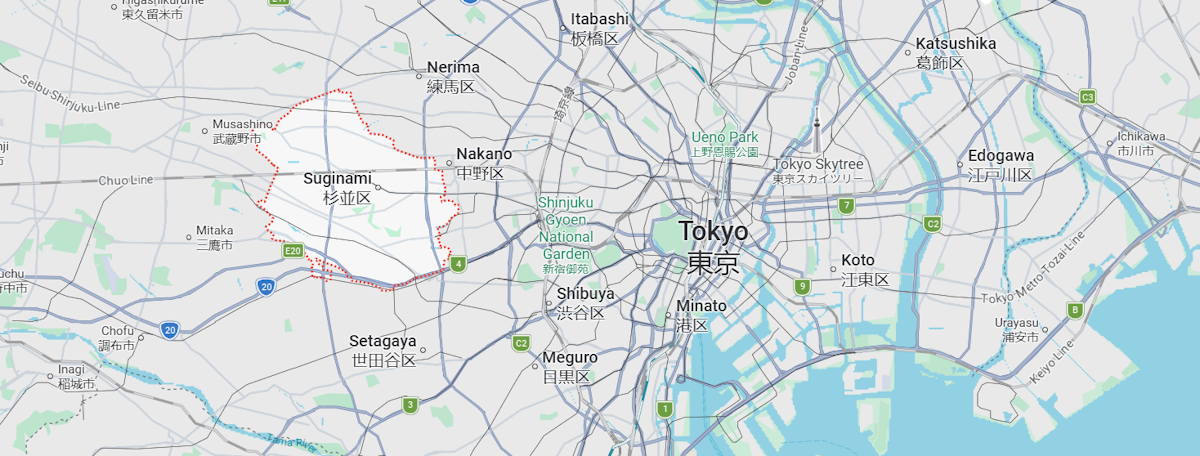
Suginami Ward sits on the western side of Tokyo’s 23 special wards, covering roughly 34 square kilometers of primarily residential neighborhoods. Around 80 percent of the ward is zoned specifically for housing, giving its streets a calmer, lower-rise atmosphere than central commercial districts while keeping major hubs like Shinjuku and Shibuya within a short train ride.
Rather than functioning as a single uniform suburb, Suginami is a patchwork of distinct neighborhoods shaped by four east-west rail corridors. Northern districts along the Seibu Shinjuku Line feel unhurried and residential, while southern neighborhoods along the Keio Inokashira Line feature leafy streets and larger family homes. Along the central JR Chuo Line, stations like Koenji, Asagaya, and Ogikubo anchor lively local shopping streets, independent cafés, and cultural venues.
Choose your daily surroundings
Koenji offers shops and music venues close to home. Residential blocks near Hamadayama or Iogi offer a quieter routine, with daily errands often made on foot or by bicycle.
Look beyond the station
Rail connections serve trips toward central Tokyo well, but north-south journeys can be less direct. Narrow lanes can complicate parking, deliveries, and renovation access. Major roads bring traffic noise, and some riverside lots need closer flood-risk checks.
Before narrowing your search, walk the station route, check road access and hazard maps, and test the journeys you expect to make regularly.
- Location
- One of Tokyo Metropolis's 23 special wards.
- Rail and buses
- Five rail lines and 19 stations, with buses supporting north-south travel. Shinjuku is roughly 7 to 15 minutes away on relevant rail routes.
- Daily life
- Neighborhood shopping streets, parks, and quiet residential pockets.
- Housing and setting
- Detached wooden houses, newer subdivision homes, and low- to mid-rise condominiums. Roughly 80 percent of the ward is zoned for residential use.
- Car needs
- A well-located home can support a car-free routine. Narrow lanes, congestion, and parking costs can make driving less practical.
Rail access
Relevant routes reach Shinjuku in about 7 to 15 minutes. Boarding at the Marunouchi Line termini of Ogikubo or Honancho can improve your chances of a seat.
Around 40 shopping streets, called shotengai, bring together grocers, bakeries, and small eateries. Koenji has vintage shops; Asagaya has the covered Pearl Center arcade.
Parks and quieter blocks
More than 300 parks and green spaces include Zenpukuji Park and riverside walking paths. Streets away from station fronts often have a calmer residential feel.
Family services
Municipal support includes parenting vouchers, children's centers, and medical expense subsidies through age 18.
- Road width and traffic
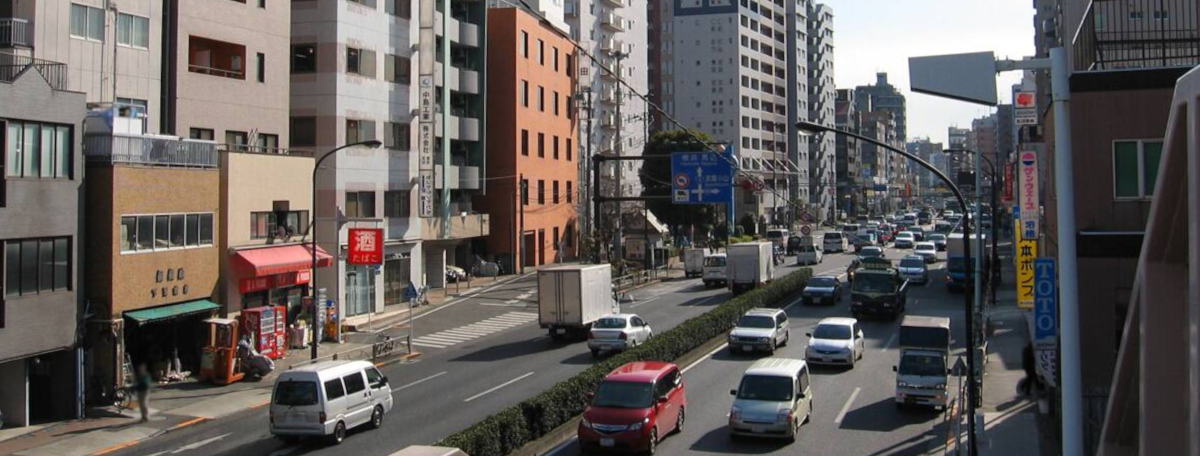
- Interior lanes can be too narrow for two small cars to pass comfortably. Kan-nana and Ome Kaido face congestion.
- Weekend rail service
- Chuo Line rapid trains skip Koenji, Asagaya, and Nishi-Ogikubo on weekends and holidays. Use local services instead.
- North-south journeys
- Rail corridors run mainly east to west. Cross-ward trips can depend on buses that slow in peak traffic.
- Riverside flood exposure
- Low-lying pockets along the Zenpukuji, Kanda, and Myoshoji rivers face inundation risks during heavy rain. Check the property's hazard-map position.
- Older wooden neighborhoods
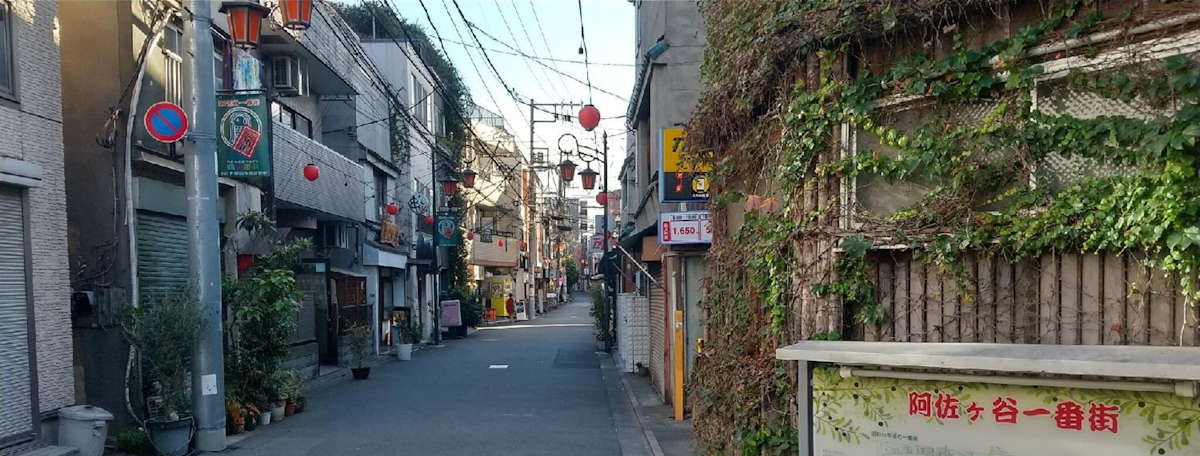
- Parts of Koenji-minami and Asagaya-minami have closely packed wooden homes and tight alleys. Fire spread after an earthquake and emergency vehicle access need attention.
Detached houses sit alongside low- and mid-rise condominiums, called mansions in Japan. Options range from new subdivision homes to older wooden houses and vacant homes, called akiya, that need renovation.
Hamadayama and Kugayama
Southern neighborhoods along the Keio Inokashira Line have quieter streets, larger upscale detached homes, and mature greenery.
Iogi and Shimo-Igusa
Northern neighborhoods offer more modest detached houses in a relaxed residential setting.
Koenji and Asagaya
Lots near these central stations are tighter. Older two-story wooden homes often stand close together on narrow lanes.
For a renovation candidate, check road frontage, construction equipment access, and riverside flood exposure before focusing on the purchase price.
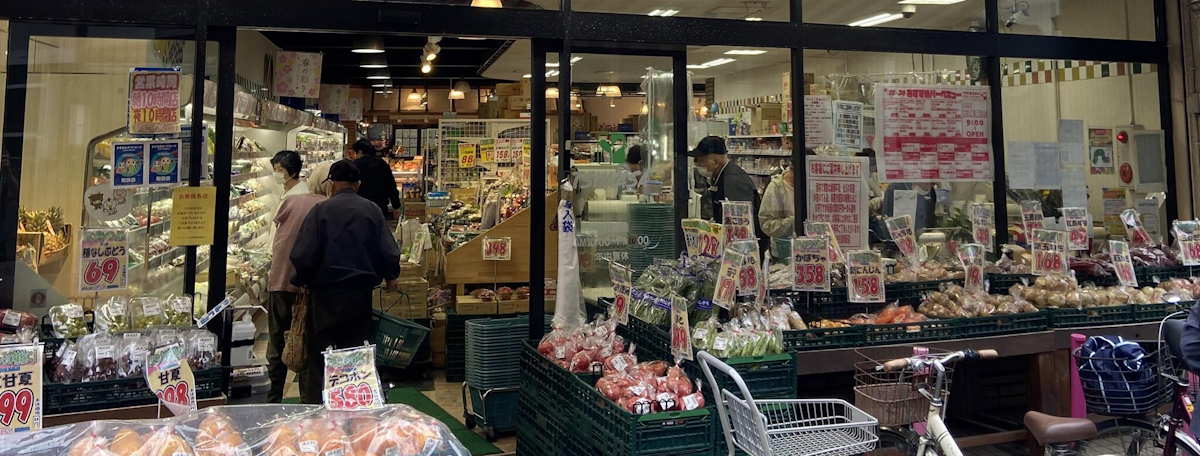
Neighborhood shopping streets provide produce, bakeries, pharmacies, and clinics. Asagaya's covered Pearl Center shelters errands from rain; Ogikubo's station complexes offer broader retail and food halls.
Food and cafés
Koenji has casual curry shops, ramen counters, and music bars. Nishi-Ogikubo has independent bistros and cafés, while Asagaya's alleys have small neighborhood bars.
Time outdoors
Wadabori Park offers riverside paths, Zenpukuji Park has rowboats, and Momoi Harappa Park has an open lawn. Otaguro Park has a Japanese garden; the Children's Traffic Park offers bicycles and pedal go-karts.
Healthcare and family routines
General hospitals, including Kawakita General Hospital, complement neighborhood clinics. Public elementary and junior high schools, private schools, children's plazas, and community centers support family life.
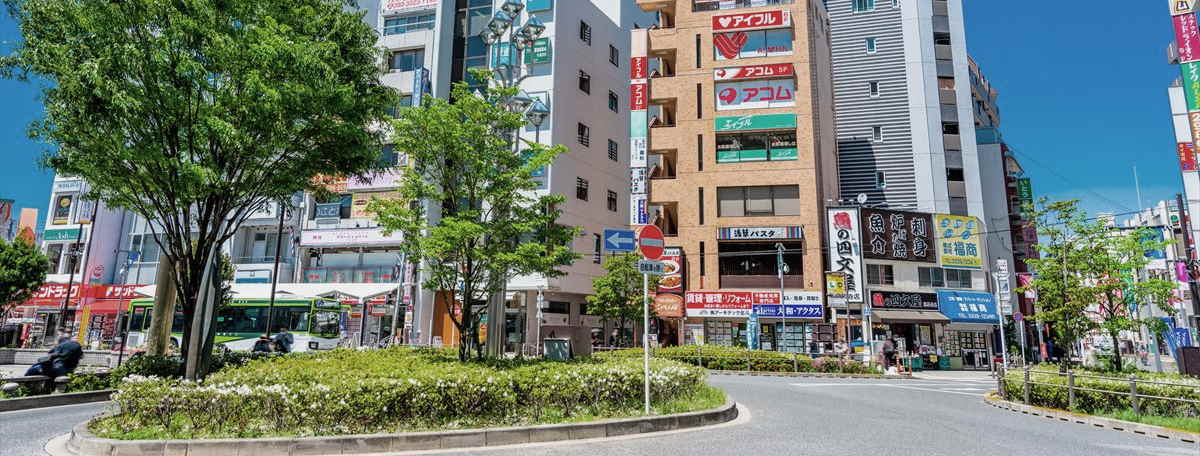
Rail trips into central Tokyo
Five rail lines serve 19 stations. Relevant services from Koenji or Ogikubo reach Shinjuku in roughly 7 to 15 minutes. Weekend and holiday rapid trains bypass Koenji, Asagaya, and Nishi-Ogikubo, so check the local-service journey too.
Buses support north-south travel but can slow in traffic. Parts of Igusa, Takaido, Honan, and Izumi are farther from stations and have sparser bus service. Cycling is practical across much of the plateau, with slopes near river valleys and limited bicycle parking near stations.
When a car helps
A car can help with transporting young children or elderly relatives. Balance that convenience against tight alleys, railway crossings, congestion, and monthly parking costs that can reach tens of thousands of yen.
For a car-free stay, check the walk to your station, nearby shops, and any bus route you would use regularly. Test north-south trips separately from journeys into central Tokyo.
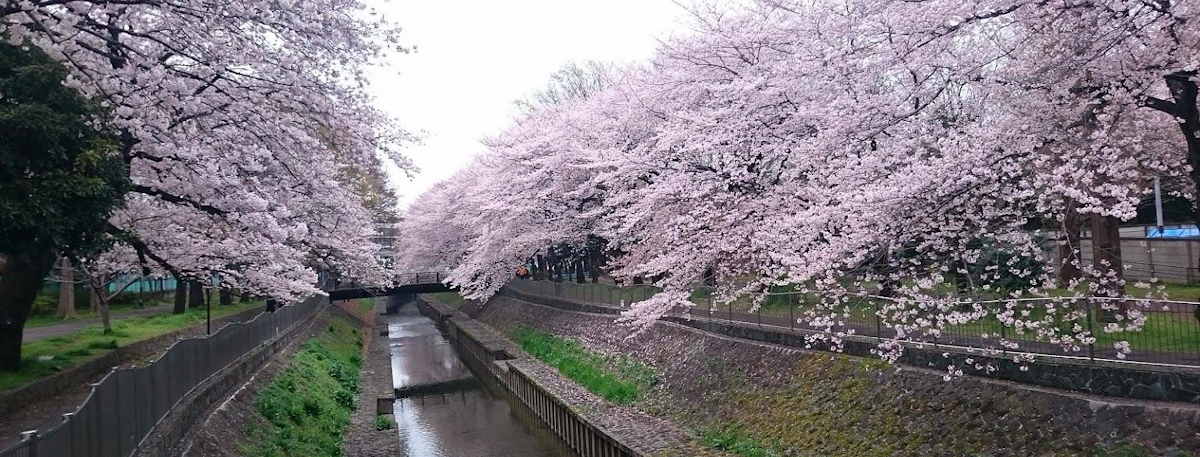
Arts in residential neighborhoods
Writers and artists helped shape Asagaya and Nishi-Ogikubo as Suginami grew into a residential suburb. Anime studios remain part of its identity, with the Suginami Animation Museum offering a place to explore that connection.
Seasonal gatherings
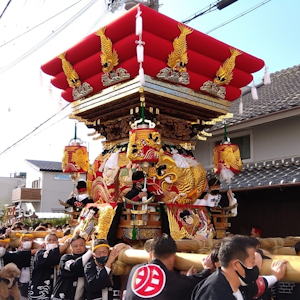
August brings Koenji Awa Odori and Asagaya's Tanabata displays. February brings Koenji's Performing Arts Festival. Autumn includes outdoor art at Zenpukuji Park and evening illuminations at Otaguro Park.
An ordinary weekend
Browse bakeries and antique shops in Nishi-Ogikubo, jog along riverside paths, or visit Omiya Hachimangu and Kisho Shrine. Evening routines often stay local, around shopping streets and small eateries.
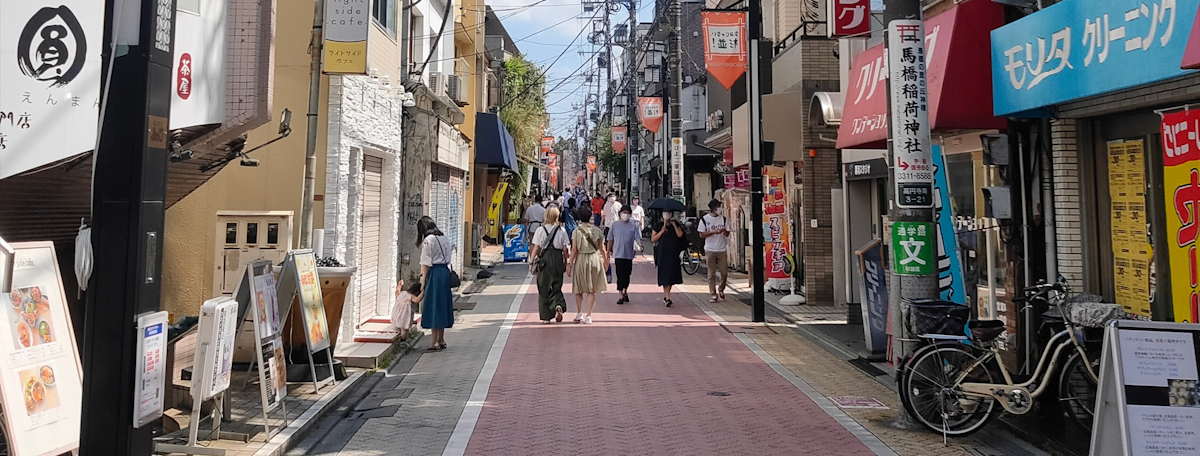
A good fit if you...
- Want central Tokyo access from a quieter, low-rise neighborhood.
- Prefer walking or cycling for groceries and dining.
- Value parks, riverside paths, and family services.
- Enjoy Koenji's music scene or Nishi-Ogikubo's cafés and antique shops.
- Are comfortable relying on trains, buses, and bicycles.
You may prefer another area if you...
- Need wide roads and inexpensive off-street parking.
- Depend on direct north-south rail journeys.
- Want the same rapid-train stops every day of the week.
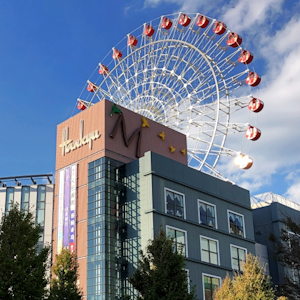
- Prefer high-rise living beside large integrated malls.
- Want to avoid the access constraints of older lanes or flood exposure on some riverside lots.
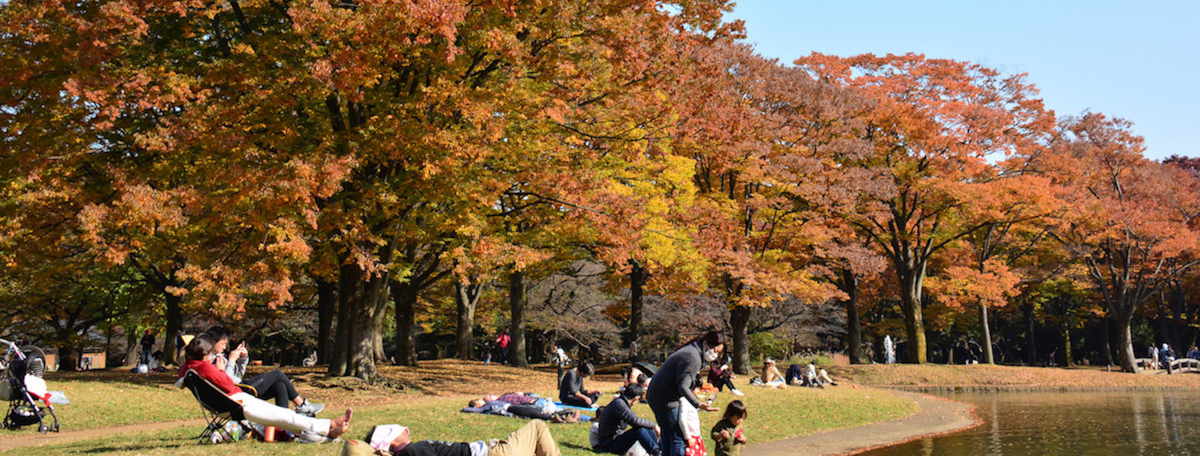
A residential base in western Tokyo
Suginami Ward offers a practical middle ground for international buyers who want daily access to central Tokyo without giving up neighborhood parks, walkable shopping streets, and a residential scale. Its different rail corridors create noticeably distinct living environments, making it worth comparing the lively streets around Koenji and Asagaya against the quieter, greener blocks near Hamadayama, Kugayama, or Iogi.
If a car-free, neighborhood-focused lifestyle in western Tokyo matches what you are looking for, explore current listings across Suginami Ward to compare detached houses, renovation candidates, and station-area apartments by rail line and local character.
Ready to explore?


 AkiyaHub Team